
What's Happening?
A recent Talker Research survey, commissioned by Accredited Debt Relief, reveals that nearly half of Gen Z respondents (46%) have delayed or skipped a rent or mortgage payment to cover holiday expenses.
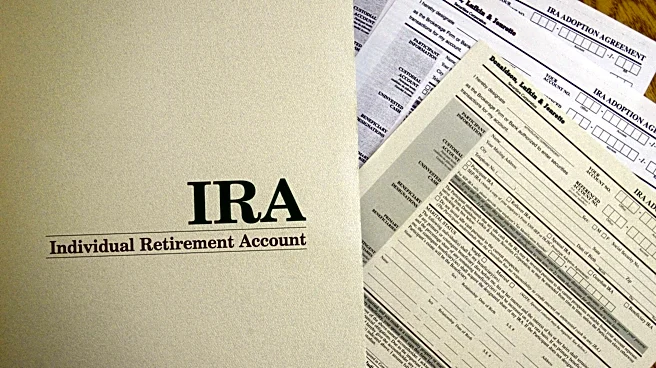
This figure significantly surpasses the 18% across all generations. The survey, conducted between October 16 and 20, 2026, among 2,000 Americans who celebrate a winter holiday, indicates a broader trend of financial strain during the festive season. Americans anticipate spending an average of $1,533 on holidays and giving 15 gifts. A substantial portion of this spending is expected to be financed through debt, with about a third on credit cards and 12% via buy now, pay later services. Many respondents, particularly Gen Z, admit to feeling guilty if they cannot afford holiday spending, with 39% preferring to incur debt rather than disappoint loved ones. Additionally, 35% have withdrawn from savings, and one in five has reduced or skipped retirement contributions to fund holiday purchases.
Why It's Important?
This trend highlights a significant financial vulnerability within the Gen Z demographic, indicating a potential long-term impact on their financial stability and future. Skipping rent or mortgage payments can lead to severe consequences, including late fees, damage to credit scores, and even eviction or foreclosure, which can have lasting repercussions on housing security. Diverting funds from retirement savings or general savings accounts compromises future financial well-being, potentially delaying retirement or leaving individuals unprepared for unexpected emergencies. The reliance on credit cards and 'buy now, pay later' services for holiday spending can lead to accumulating high-interest debt, trapping younger generations in a cycle of financial burden. This behavior suggests a prioritization of immediate gratification and social pressures over prudent financial planning, which could exacerbate existing economic inequalities and create a generation with significant debt challenges.
What's Next?
The financial consequences of these decisions are likely to manifest in January, as 39% of respondents indicated they would rather deal with financial repercussions later than cut back on holiday spending now. This suggests a potential surge in debt repayment struggles and financial stress in the new year for many Gen Z individuals. Financial education advisers, such as Bobbi Rebell of Accredited Debt Relief, emphasize the importance of budgeting for all seasonal expenses, not just gifts, to avoid such pitfalls. There may be an increased need for financial literacy programs and resources tailored to younger generations to help them navigate holiday spending pressures and develop sustainable financial habits. Policymakers and financial institutions might also need to consider the implications of widespread debt accumulation among young adults and explore solutions to mitigate these risks.
Beyond the Headlines
The survey results point to a deeper societal issue where guilt and social pressure heavily influence financial decisions, particularly during the holiday season. The desire to avoid disappointing loved ones or appearing empty-handed at gatherings drives individuals to spend beyond their means, even at the cost of essential financial obligations. This phenomenon underscores the cultural emphasis on gift-giving and celebration, which can overshadow practical financial considerations. The normalization of debt for discretionary spending, especially through easily accessible 'buy now, pay later' options, may be contributing to a diminished perception of the seriousness of financial commitments among younger generations. Addressing this requires not only financial education but also a cultural shift towards more sustainable and less materialistic approaches to holiday celebrations, encouraging open conversations about financial limitations and prioritizing long-term financial health over short-term social expectations.