



What's Happening?
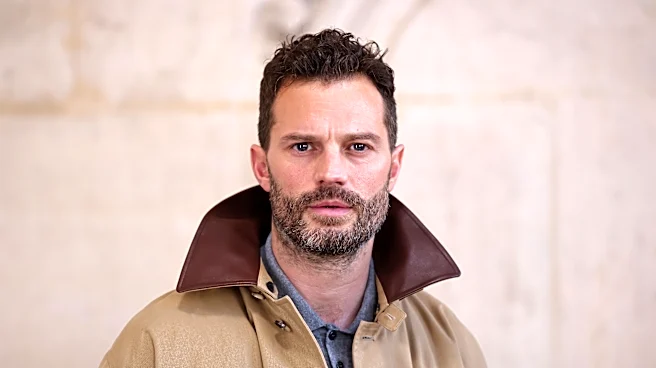
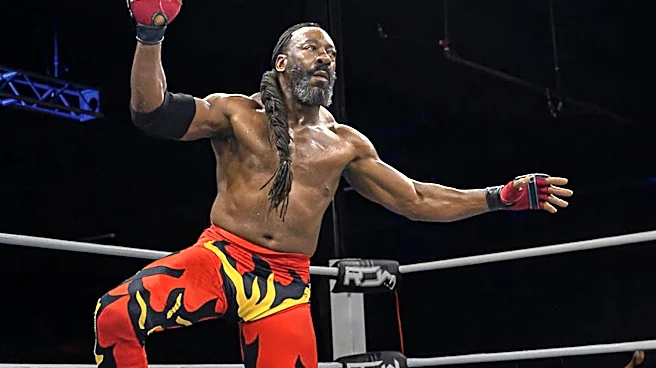
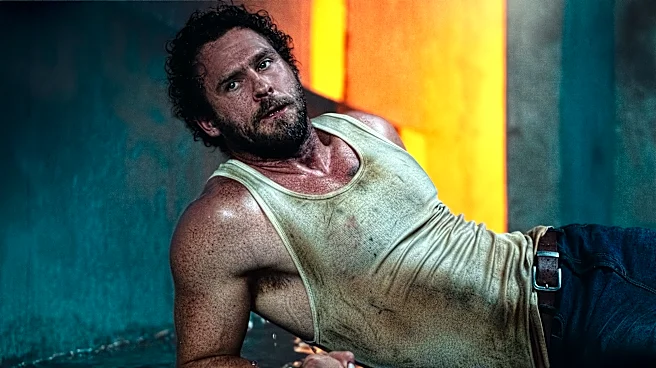
The 2026 film adaptation of 'Street Fighter' has unveiled its primary cast, with Noah Centineo starring as Ken Masters and Andrew Koji as Ryu. Callina Liang takes on the role of Chun-Li, while Cody Rhodes portrays Guile, and David Dastmalchian is cast as M.
Bison. Directed by Kitao Sakurai and produced by Mary Parent, the movie draws inspiration from the original video game series, particularly 'Street Fighter II: The World Warrior' (1991), and anime adaptations like 'Street Fighter II: The Animated Movie' (1994) and 'Street Fighter Alpha: Generations' (2005). The narrative centers on Ryu and Ken's rivalry and reunion, set against the backdrop of a new World Warrior tournament organized by M. Bison, who seeks to harness Ryu's 'Dark Hadou' power. The film incorporates hand-drawn animated sequences for flashbacks, aiming to capture the essence of the game's history.
Why It's Important?
This film represents a significant attempt to translate a beloved and long-running video game franchise into a successful cinematic experience. The casting choices, particularly the inclusion of well-known actors like Noah Centineo and Andrew Koji, alongside figures like Cody Rhodes from professional wrestling, indicate a strategy to appeal to both established fans and a broader audience. The film's commitment to embracing the 'old-school roots' and 'silly goofball nature' of the source material could set a precedent for future video game adaptations, potentially influencing how studios approach such projects. A successful execution could lead to a resurgence of interest in the 'Street Fighter' franchise across various media, impacting merchandise sales, game popularity, and future film endeavors. Conversely, a misstep could reinforce skepticism about video game movies.
What's Next?
The film is currently in cinemas, and its reception will determine potential future installments. The ending of the movie reportedly sets up a sequel, indicating the filmmakers' intent for a continuing franchise. The performance of the cast, particularly Cody Rhodes, could open doors for them in future acting roles, especially for those transitioning from other entertainment fields. The critical and commercial success of this 'Street Fighter' adaptation will likely be closely watched by other studios considering similar video game-to-film projects, potentially influencing greenlighting decisions and production approaches for upcoming adaptations.
Beyond the Headlines
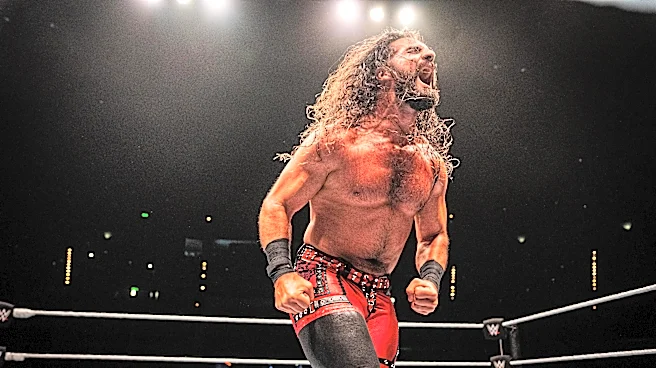
The 'Street Fighter' film's approach to adapting its source material, blending live-action with hand-drawn animation and embracing the game's inherent 'cartoonish' elements, highlights a growing trend in media adaptations. This strategy attempts to bridge the gap between different artistic mediums while staying true to the original's spirit. The film's success or failure could influence how intellectual property holders view the potential for creative freedom versus strict adherence to established lore in adaptations. Furthermore, the inclusion of professional wrestlers like Cody Rhodes in prominent roles reflects a broader cultural shift where boundaries between sports entertainment and traditional acting are becoming increasingly blurred, offering new avenues for talent and cross-promotional opportunities.