





What's Happening?
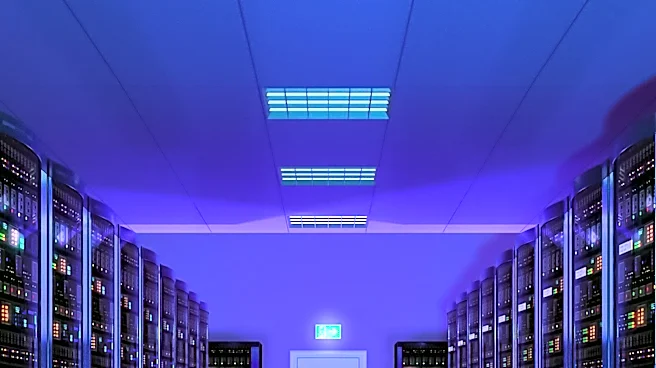
Anthropic and OpenAI, leading artificial intelligence laboratories, are actively pursuing smaller data center deals, specifically for deployments ranging from 20-30 megawatts (MW), according to sources familiar with the matter. This new strategy comes
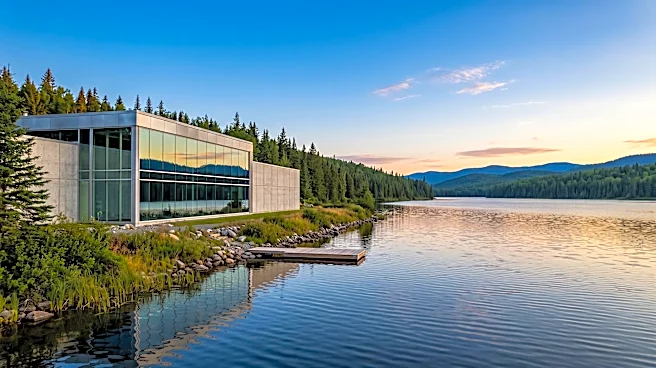
after both companies have previously secured massive deals for AI data centers, some involving multi-hundred-megawatt and gigawatt capacities. The shift towards smaller deals is driven by the intensifying race to acquire the necessary infrastructure to deploy AI workloads more rapidly. Anthropic has reportedly explored such agreements in the U.K. and the Nordics, while OpenAI has also investigated similar opportunities in the Nordics. Both AI labs typically lease compute capacity from data center operators and neocloud providers, seeking long-term agreements to support their growing computational needs for training and serving AI models.
Why It's Important?
This development highlights the critical and escalating demand for computational power within the artificial intelligence sector. The pursuit of smaller data center deals by major AI players like Anthropic and OpenAI indicates a strategic adaptation to the current market, where securing large-scale, multi-gigawatt facilities can be time-consuming and complex. By opting for smaller, more distributed deployments, these companies can accelerate the deployment of AI workloads, which is crucial for maintaining a competitive edge in the rapidly evolving AI landscape. This trend also suggests a potential decentralization of AI infrastructure, moving beyond a sole reliance on mega-data centers. The increased demand for compute capacity, even in smaller increments, will likely drive further investment and innovation in data center technology and energy solutions, impacting the broader technology and business sectors. The ability to quickly scale and deploy AI models is paramount for product development, research, and market penetration, making access to diverse compute resources a strategic imperative.
What's Next?
The trend of AI labs seeking smaller data center deals is expected to continue, as companies prioritize agility and speed in deploying AI workloads. This could lead to increased competition for available data center space and a potential rise in the development of more modular or flexible data center solutions. Data center operators and neocloud providers may adapt their offerings to cater to this demand for smaller, quicker deployments. The shift could also influence geographical distribution of AI infrastructure, with more localized data centers emerging to support specific regional needs or to optimize for factors like energy availability and cost. Furthermore, the growing need for diverse compute portfolios will likely spur innovation in energy efficiency and sustainable practices within the data center industry, as AI workloads are notoriously energy-intensive. The long-term implications could include a more resilient and distributed global AI infrastructure, capable of supporting a wider range of applications and services.
Beyond the Headlines
The scramble for AI compute capacity, even in smaller increments, underscores a fundamental challenge in the current AI boom: the physical limitations and energy demands of advanced AI. This intense competition for data center resources could lead to significant shifts in the technology industry's infrastructure landscape. It highlights the strategic importance of energy supply and real estate in the AI era, potentially driving up costs and influencing investment decisions in these sectors. The need for rapid deployment also raises questions about the environmental footprint of AI, as more data centers, regardless of size, contribute to energy consumption. This could accelerate the push for green data center technologies and renewable energy sources. Moreover, the ability to secure compute capacity could become a critical differentiator for AI companies, influencing their growth trajectories and market dominance. The strategic decisions made now regarding infrastructure will have lasting impacts on the development and accessibility of AI technologies globally.