




What's Happening?
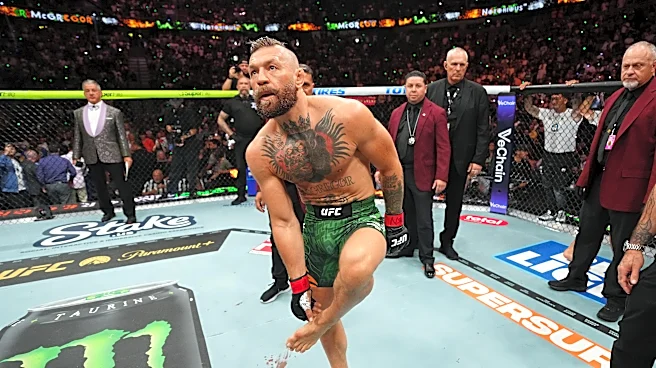
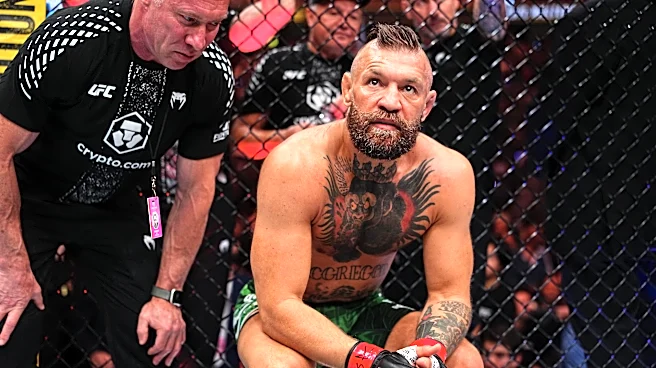
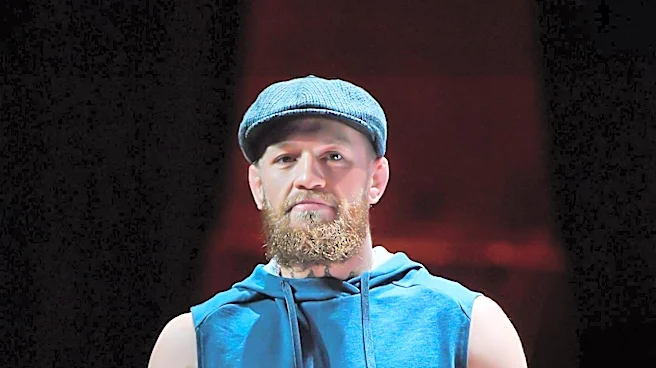
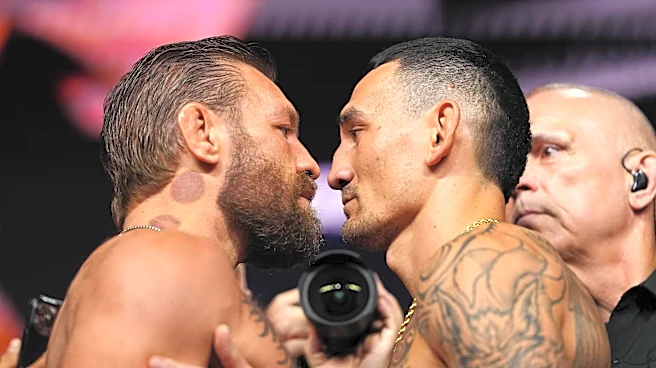
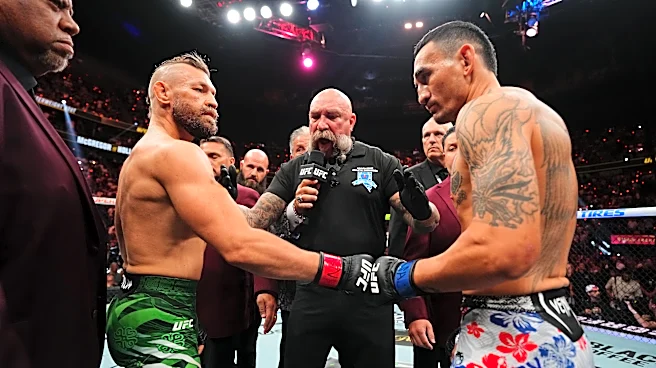
UFC CEO Dana White has confirmed that Conor McGregor will undergo surgery for an ACL injury sustained during his UFC 329 fight against Max Holloway. The injury, which also involves the meniscus, occurred early in the fight, leading to a TKO loss for McGregor.
White emphasized that discussions about McGregor's next fight are premature, as his recovery will take time. McGregor, who has two fights left on his UFC contract, had planned to return in early 2027. Despite the setback, McGregor remains committed to completing his contract and has shown interest in free agency post-recovery.
Why It's Important?
McGregor's injury and the subsequent surgery are pivotal for the UFC, as he is a major draw for the organization. His absence affects the UFC's event planning and revenue, given his popularity and the attention he brings to the sport. The injury also underscores the physical toll of mixed martial arts and the challenges athletes face in recovery. McGregor's potential return and interest in free agency could reshape the UFC's fighter roster and promotional strategies. His situation highlights the importance of athlete health and the role of medical advancements in sports.
What's Next?
Following surgery, McGregor will focus on rehabilitation, with a potential return to the octagon by next summer. His recovery will dictate the timeline for his remaining UFC fights. The UFC will need to adjust its event planning to accommodate his absence and potential return. McGregor's interest in free agency adds another layer of complexity to his future in the sport. Additionally, McGregor has requested that his UFC 329 loss be overturned to a no-contest, which could impact his record and future matchups.