






What's Happening?
The Los Angeles County film industry has experienced a substantial decline in production and employment since 2019, according to a new report from the county’s Department of Economic Opportunity. The report indicates that the county's share of U.S. streaming
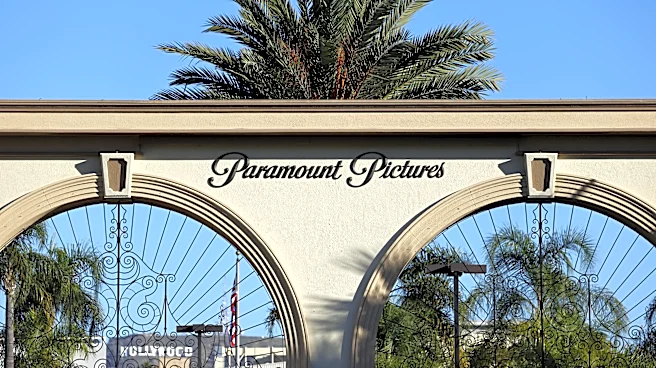
series production dropped from 34.6% in 2019 to 23.6% in 2025. Theatrical film production saw an even steeper collapse, falling by 52% over the same period, with more than three-quarters of this decline attributed to lost market share as productions move elsewhere. Film and television employment averaged 92,454 jobs last year, a 36.3% decrease from its 2022 peak. The number of industry businesses also fell by 17.2% between 2021 and 2025. This downturn comes as Paramount Skydance prepares to merge with Warner Bros. Discovery, a move that a separate county analysis estimates could put 2,495 Greater Los Angeles jobs at risk.
Why It's Important?
This report highlights a critical challenge for the U.S. entertainment industry, particularly in its traditional hub, Los Angeles. The significant loss of production and jobs indicates a shift in the industry landscape, with other regions and countries increasingly attracting film and television projects. This trend has profound economic implications for Los Angeles County, affecting not only direct industry employment but also the numerous small businesses that support production. The potential job losses from the Paramount Skydance and Warner Bros. Discovery merger further exacerbate these concerns. While Skydance CEO David Ellison has pledged to produce at least 30 movies annually, the fact that only one of 19 Paramount and Warner Bros. films released in 2025 was primarily filmed in California underscores the severity of the 'runaway production' issue. The county's proposed interventions, such as lower filming fees and streamlined permits, are crucial for retaining and attracting productions.
What's Next?
Los Angeles County officials are proposing several measures to address the decline, including reducing filming fees, streamlining permits, expanding access to soundstages and financing, and providing additional support for local production businesses. The effectiveness of these interventions will be critical in determining whether the trend of productions leaving California can be reversed. The ongoing merger between Paramount Skydance and Warner Bros. Discovery will also be a key factor, as its impact on employment and production decisions unfolds. The industry will be closely watching to see if the proposed solutions can revitalize the local film and television sector and prevent further job losses. The county's investment in creative-economy workforce training partnerships suggests a long-term strategy to adapt to the evolving demands of the entertainment industry.
Beyond the Headlines
The decline in Los Angeles's film industry reflects a broader economic and cultural shift within the entertainment sector. The rise of streaming services and global production incentives has decentralized content creation, challenging Hollywood's long-standing dominance. This shift raises questions about the future identity of Los Angeles as the 'film capital' and the economic sustainability of its creative workforce. The report's findings also highlight the vulnerability of specialized local businesses that depend on a robust production ecosystem. The 'runaway production' phenomenon is not just an economic issue but also a cultural one, as it impacts the concentration of talent, infrastructure, and creative synergy that has historically defined Hollywood. The efforts to retain productions in Los Angeles are not merely about jobs but also about preserving a unique cultural and industrial heritage.