

What's Happening?
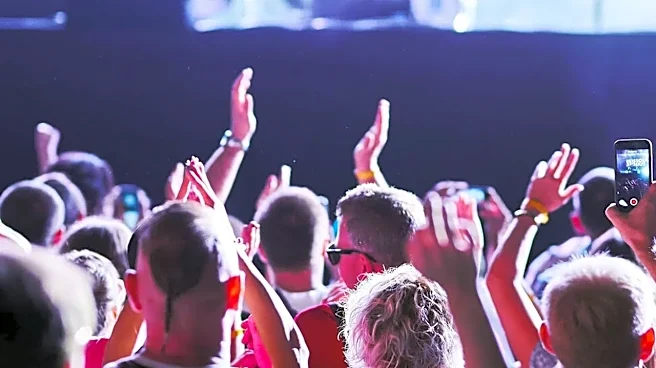
The evolution of Indie Dance music is highlighted by its transition from a genre defined by experimentation and cultural crossover to one that has become more standardized and accessible. Initially, Indie Dance was characterized by a blend of disco, punk,
post-punk, and club influences, creating a unique sound that resonated with a DIY punk energy. However, over the years, the genre has seen a shift towards mainstream dance music formulas, often at the expense of individuality and sophistication. This change is attributed to the rise of house and trance influences, as well as the pressure on DJs to produce chart-topping tracks. Industry figures like Perel and Damon Jee note that while the genre has evolved, it has also lost some of its original essence, leading to a generational divide among artists.
Why It's Important?
The transformation of Indie Dance reflects broader trends in the music industry, where genres often evolve to meet commercial demands. This shift has implications for artists who originally defined the genre, as they may struggle to maintain their unique sound in a market driven by mainstream appeal. The standardization of Indie Dance could lead to a loss of diversity in musical expression, impacting both artists and audiences who value originality. Additionally, the genre's evolution highlights the tension between artistic integrity and commercial success, a common challenge in the music industry.
What's Next?
As Indie Dance continues to evolve, it is likely that new subgenres will emerge, driven by artists seeking to reclaim the genre's original spirit. This could lead to a resurgence of DIY and experimental approaches, as musicians push back against the mainstreaming of the genre. Industry stakeholders, including record labels and music festivals, may also play a role in shaping the future of Indie Dance by supporting innovative artists and promoting diverse musical expressions.