






What's Happening?
As sustainability goals and customer expectations evolve, brands are increasingly exploring fiber-based alternatives to replace plastics and Expanded Polystyrene (EPS) foam in secondary packaging. However, the success of these new packaging solutions
hinges not just on sustainability but also on performance, operational efficiency, and overall cost control. Effective fiber-based secondary packaging must offer product protection, moisture resistance, durability, manufacturability, transportation efficiency, and shelf-ready presentation, often in conditions traditionally dominated by plastic and foam. Companies are moving beyond simple material swaps, focusing on comprehensive testing and simulation to ensure packaging integrity throughout the supply chain. Decisions are now driven by a total-cost-of-ownership lens, considering factors like pallet utilization, transportation efficiency, storage, product damage, manufacturing performance, and labor costs, alongside recyclability and regulatory compliance.
Why It's Important?
This shift in packaging strategy signifies a critical evolution in how U.S. industries approach sustainability and supply chain management. The move towards fiber-based alternatives impacts manufacturers, logistics providers, and retailers, pushing them to innovate and adapt. Companies that successfully integrate high-performing, cost-effective fiber packaging stand to gain a competitive advantage by meeting consumer demand for eco-friendly products while optimizing operational expenses. Conversely, those failing to adapt risk falling behind in market share and facing increased regulatory scrutiny. This trend also drives innovation in paper and containerboard technologies, creating new opportunities for material science and packaging design firms. The emphasis on total cost of ownership highlights a more holistic business approach, where sustainability is integrated into core operational and financial strategies rather than being a standalone initiative.
What's Next?
The packaging industry is expected to see continued innovation in fiber-based materials and designs, with a focus on enhancing performance characteristics like moisture resistance and structural integrity. Increased collaboration between packaging engineers, designers, operations leaders, and suppliers will become standard to optimize packaging systems from concept to implementation. Brands will likely invest more in advanced testing and predictive modeling tools to evaluate packaging performance under real-world supply chain conditions. Regulatory bodies may also introduce new standards or incentives to accelerate the adoption of sustainable packaging. This will lead to a more integrated approach where primary and secondary packaging changes are considered together to ensure overall system effectiveness and efficiency.
Beyond the Headlines
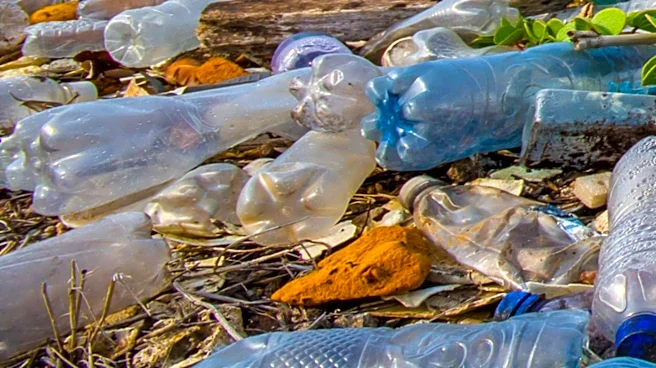
The transition to fiber-based packaging carries deeper implications beyond immediate business benefits. Ethically, it addresses growing environmental concerns related to plastic pollution and landfill waste, aligning corporate practices with broader societal values. Legally, it anticipates and responds to evolving environmental regulations, potentially mitigating future compliance risks. Culturally, it reflects a growing consumer preference for sustainable products, influencing brand perception and loyalty. This shift could also trigger long-term changes in material sourcing, potentially boosting demand for recycled content and sustainably managed forests. Ultimately, it represents a significant step towards a more circular economy, where materials are kept in use for as long as possible, reducing waste and resource depletion. This evolution in packaging is not just about materials; it's about redefining the relationship between industry, consumers, and the environment.