
What's Happening?
The oil and gas industry is grappling with significant supply chain challenges, including volatile lead times for specialized equipment and a concentrated pool of global Original Equipment Manufacturers
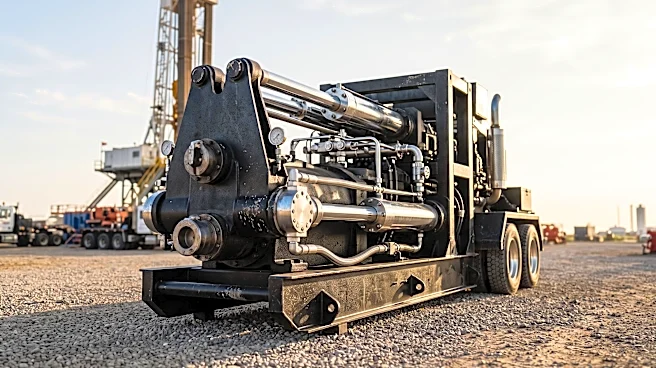
(OEMs). When global energy demand surges, manufacturing lead times for critical items like subsea trees and high-pressure valves can extend from months to over a year, leaving operators exposed to severe shortages. This issue is compounded by infrastructure deficits in remote operating regions, complex customs regulations leading to delays, and strict local content laws in major oil-producing nations. These factors collectively increase operational risks and costs, emphasizing the need for robust supply chain management strategies to ensure operational resilience.
Why It's Important?
The vulnerabilities in the oil and gas supply chain have direct implications for global energy security and economic stability, including for the United States. Disruptions can lead to higher production costs, project delays, and potential energy shortages, which can translate into increased fuel prices for consumers and businesses. For U.S. industries reliant on stable energy supplies, such as manufacturing and transportation, these challenges can impact operational efficiency and profitability. The concentration of specialized equipment manufacturers also creates single points of failure, making the industry susceptible to shocks. Building resilience in this sector is crucial for maintaining a consistent and affordable energy supply, which underpins various aspects of the U.S. economy.
What's Next?
To mitigate these risks, the oil and gas industry is increasingly focusing on strategic procurement, disciplined inventory control, and proactive risk management. Companies are implementing dual and multi-sourcing strategies for critical components, rigorous pre-qualification of suppliers, and performance-based Service Level Agreements (SLAs). There's a shift towards risk-based inventory segmentation, maintaining higher buffer stocks for vital items, and standardizing equipment to reduce complexity. Digital transformation, including control towers for real-time tracking, predictive maintenance, and digital twin modeling, is being adopted to enhance visibility and stress-test contingency routes. These measures aim to move beyond reactive firefighting to proactive, resilient system design.
Beyond the Headlines
The challenges in the oil and gas supply chain highlight a broader trend across industries: the tension between efficiency and resilience. The historical emphasis on just-in-time logistics, while cost-effective, has exposed critical vulnerabilities during periods of global volatility. This situation prompts a re-evaluation of supply chain philosophies, potentially leading to increased investment in localized production, greater diversification of suppliers, and enhanced technological integration for real-time monitoring and predictive analytics. The ethical dimension also comes into play, as companies must balance cost-cutting measures with ensuring the safety and environmental compliance of their complex logistics operations, especially in high-risk regions.