








What's Happening?
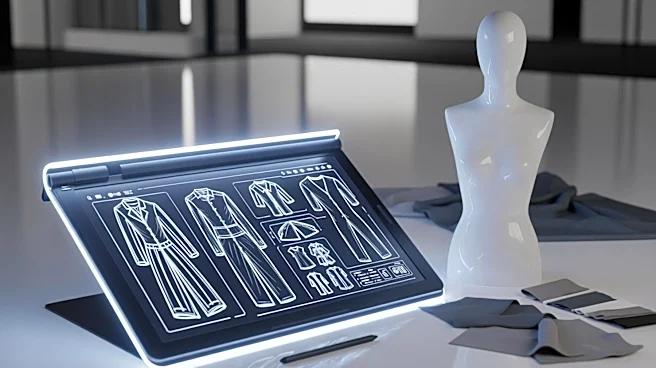
At VivaTech 2026, several companies showcased the integration of generative AI in the fashion and beauty sectors. Rebuilder AI, a Korean startup, demonstrated its collaboration with Asics to design shoes using AI, which analyzes data such as 3D scans
and historical archives to generate design proposals. This technology significantly reduces the time required for initial design outputs. LVMH's Dreamgallery presented AI applications for brands like Sephora and Dior, enhancing customer interactions through AI-driven recommendations and personalized shopping experiences. Perfect Corp introduced a virtual try-on tool that allows consumers to visualize clothing on their bodies, while Stytrix highlighted AI's role in accelerating product development. These innovations illustrate AI's growing role in streamlining design processes and enriching customer engagement.
Why It's Important?
The adoption of generative AI in fashion and beauty represents a significant shift in how these industries operate. By reducing the time and resources needed for product design, companies can increase efficiency and potentially lower costs. This technological advancement also enhances the customer experience by offering personalized and interactive shopping options, which can lead to increased customer satisfaction and loyalty. For designers and sales advisors, AI serves as a supportive tool rather than a replacement, allowing them to focus on more creative and strategic tasks. The integration of AI in these sectors could set a precedent for other industries, highlighting the potential for AI to transform traditional business models.
What's Next?
As generative AI continues to evolve, its applications in fashion and beauty are likely to expand. Companies may further integrate AI into their operations, exploring new ways to enhance product offerings and customer interactions. The success of these initiatives could encourage other sectors to adopt similar technologies, potentially leading to widespread changes in how businesses approach design and customer service. Stakeholders, including designers, retailers, and consumers, will need to adapt to these changes, balancing the benefits of AI with the need to maintain human creativity and personal touch in customer interactions.
Beyond the Headlines
The use of AI in fashion and beauty raises questions about the future of creative jobs and the ethical implications of AI-driven personalization. While AI can enhance efficiency, there is a concern about the potential loss of jobs traditionally held by designers and sales advisors. Additionally, the use of AI to collect and analyze consumer data for personalized experiences must be managed carefully to protect privacy and ensure ethical use. As AI becomes more integrated into these industries, ongoing discussions about its impact on employment, creativity, and consumer rights will be crucial.