



What's Happening?
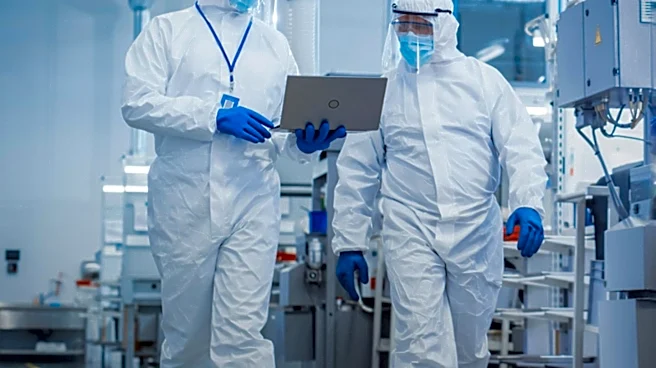
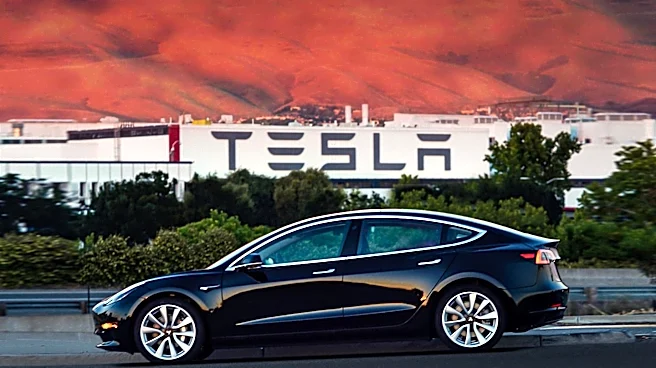
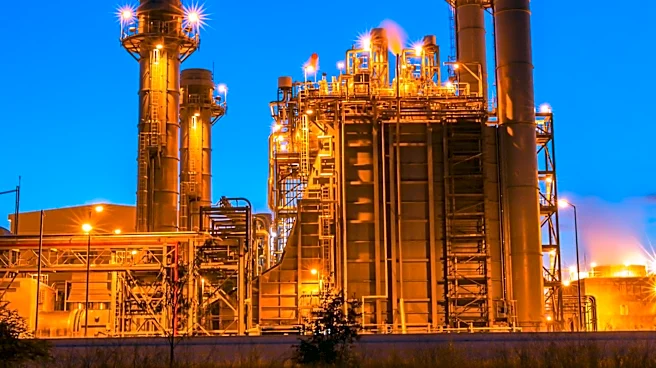
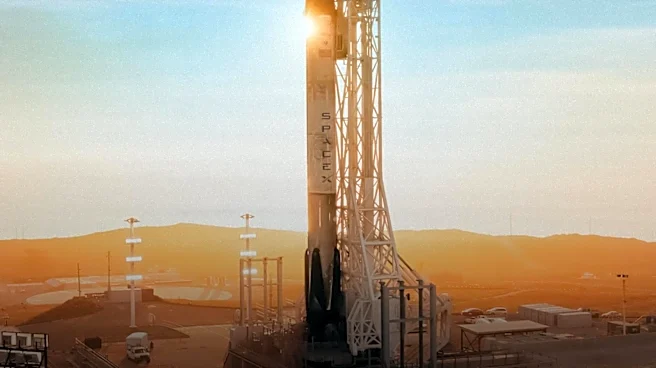
SpaceX has announced that its Terafab chip megafactory in Texas will be powered by natural gas plants and large battery arrays, excluding Tesla solar solutions. Despite Tesla's involvement in the project and its expertise in solar energy, the decision
to use natural gas highlights a shift in strategy. The plant, located on a former coal plant site, is part of a broader trend where Musk's companies are investing heavily in natural gas infrastructure. This approach contrasts with Tesla's mission to promote sustainable energy, raising questions about the alignment of Musk's business ventures with environmental goals.
Why It's Important?
The decision to power the Terafab plant with natural gas instead of solar energy reflects broader challenges in transitioning to renewable energy for large-scale industrial projects. While natural gas offers a reliable power source, it contradicts the sustainable energy goals that Tesla advocates. This move could impact Tesla's brand image and its commitment to renewable energy. Additionally, it highlights the complexities and trade-offs involved in balancing economic, environmental, and technological considerations in energy-intensive industries.
What's Next?
As the Terafab project progresses, there may be increased scrutiny from environmental groups and stakeholders concerned about the reliance on fossil fuels. This could lead to calls for greater transparency and accountability in energy decisions. Musk's companies might face pressure to integrate more renewable energy solutions in future projects. The situation also underscores the need for advancements in solar and battery technologies to meet the demands of large-scale industrial operations.