
What's Happening?
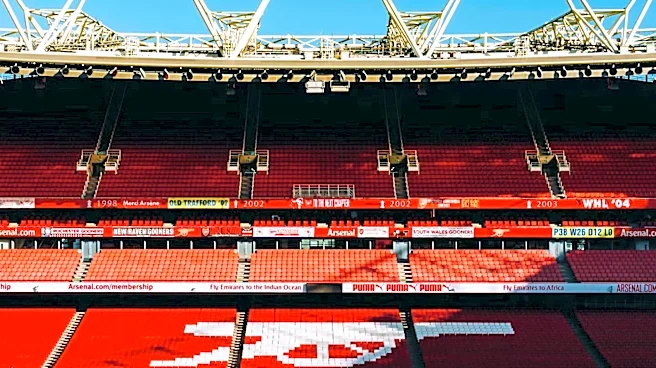
Arsenal Football Club has decided against a major expansion of its Emirates Stadium, which would have increased capacity from approximately 60,000 to 80,000. This decision, influenced by manager Mikel
Arteta's concerns about team stability during construction and significant logistical and financial challenges, marks a shift from previous considerations to make the Emirates the largest stadium in London. Instead of expanding, the club, under the Kroenke ownership, is implementing a four-point plan focused on enhancing the existing stadium and maximizing revenue from current facilities. This plan includes improving hospitality, food, and drink services, expanding safe standing areas, upgrading the mobile network (5G) within the stadium, and enhancing the retail experience for matchday attendees. These initiatives aim to provide a better experience for supporters and corporate guests while increasing matchday revenue without the need for a costly and disruptive stadium expansion.
Why It's Important?
This strategic pivot by Arsenal, a prominent global sports franchise, highlights a growing trend in sports venue management where clubs prioritize optimizing existing infrastructure over large-scale, expensive expansions. For U.S. sports team owners with international portfolios, like the Kroenkes, this approach could serve as a model for sustainable revenue growth and fan engagement. By focusing on enhancing the fan experience through improved amenities, connectivity, and retail, Arsenal aims to increase per-attendee spending and overall matchday revenue. This strategy could influence how other major sports organizations, including those in the U.S., consider stadium development, potentially leading to more investment in technology, hospitality, and fan comfort rather than solely capacity increases. The emphasis on safe standing also reflects a response to fan demand, which could be a valuable lesson for U.S. venues exploring similar fan-centric improvements.
What's Next?
Arsenal will proceed with its four-point plan, which includes ongoing improvements to hospitality and food services, the expansion of safe standing to the North Bank next season, and a concerted effort to fix 5G connectivity issues within the Emirates Stadium. The club will also focus on upgrading its retail operations to capitalize on the tens of thousands of supporters attending matches. These changes are expected to be implemented incrementally, with fans likely to experience the benefits over the coming seasons. The success of this strategy could set a precedent for other sports clubs globally, demonstrating that significant revenue growth and fan satisfaction can be achieved through targeted enhancements rather than extensive construction projects. Stakeholders, including fans, corporate partners, and the broader sports industry, will be observing the impact of these initiatives on Arsenal's financial performance and fan engagement.
Beyond the Headlines
The decision to forgo a stadium expansion in favor of enhancing the existing facility reflects a deeper understanding of modern fan expectations and economic realities in professional sports. Beyond the immediate financial benefits, this approach addresses the intangible value of fan experience, recognizing that convenience, comfort, and connectivity are crucial for retaining and attracting attendees. The focus on improving 5G connectivity, for instance, acknowledges the integral role of digital interaction in contemporary event attendance, allowing fans to share experiences, access information, and engage with the club in real-time. This strategy also subtly prioritizes community and stability, as avoiding a multi-year relocation for construction maintains the team's connection to its home ground and local area. It suggests a shift towards a more holistic view of stadium management, where the 'stadium experience' encompasses more than just seating capacity, influencing long-term brand loyalty and commercial success.