






What's Happening?
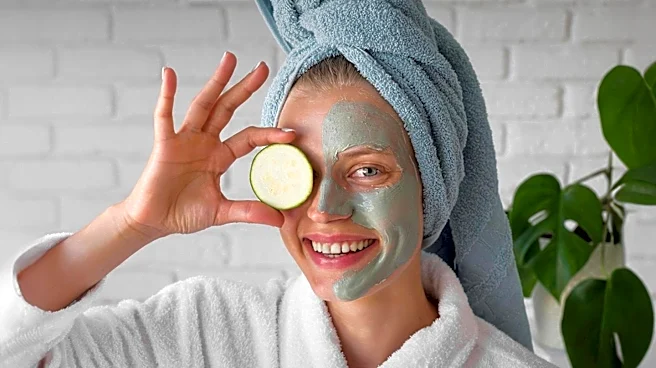
Achieving the popular 'glass skin' aesthetic, characterized by a smooth, luminous, and seemingly poreless complexion, is less about perfection and more about consistent healthy habits and a targeted skincare routine, according to experts. Dr. Dmitriy
Schwarzburg, a board-certified cosmetic physician and founder of Skinly Aesthetics in New York, notes that while the traditional Korean approach can involve numerous steps, the core elements are consistent hydration, smooth texture, even skin tone, and maintaining a healthy skin barrier. Key recommendations include gentle cleansing both morning and night, with double cleansing suggested for heavier makeup wearers. Hydration is crucial, with serums and essences containing glycerin and hyaluronic acid recommended for immediate plumping and reflective appearance, sealed in with a good moisturizer, especially those with ceramides. Long-term improvements can be supported by ingredients like niacinamide, vitamin C, and retinoids. Additionally, daily application of broad-spectrum sunscreen with an SPF of 30 or higher is emphasized as a non-negotiable step for skin health and protection.
Why It's Important?
The pursuit of 'glass skin' highlights a significant trend in the U.S. beauty and skincare industry, influencing product development and consumer purchasing habits. This trend underscores a shift towards holistic skin health, emphasizing not just topical treatments but also lifestyle factors such as sleep, nutrition, exercise, and avoiding smoking and excessive alcohol. The expert advice to manage expectations, acknowledging that perfectly poreless and texture-free skin is not attainable, is crucial for public health. It helps combat unrealistic beauty standards often perpetuated by filtered or edited images on social media, which can lead to dissatisfaction and potentially harmful practices among consumers. By promoting a balanced approach that prioritizes skin barrier health and hydration over an impossible ideal, the industry can foster healthier consumer relationships with beauty and self-image, potentially reducing the psychological impact of unattainable beauty standards.
What's Next?
The continued emphasis on 'glass skin' will likely drive further innovation in the U.S. skincare market, particularly in products focused on hydration, skin barrier repair, and gentle cleansing. Consumers can expect to see more formulations featuring ingredients like hyaluronic acid, ceramides, niacinamide, vitamin C, and retinoids, marketed for their ability to improve skin tone, brightness, and collagen production over time. Educational campaigns from dermatologists and beauty brands may increasingly focus on realistic expectations for skin appearance, promoting the idea that 'real skin has texture' and that the goal is optimal skin health rather than flawless perfection. This could lead to a more informed consumer base that prioritizes sustainable skincare practices and overall well-being, potentially influencing how beauty is portrayed in media and advertising to be more inclusive of natural skin variations.
Beyond the Headlines
The 'glass skin' phenomenon, while seemingly a superficial beauty trend, reflects deeper societal implications regarding beauty standards, mental health, and consumer culture in the U.S. The expert caution against comparing one's skin to filtered images touches upon the pervasive issue of digital distortion and its impact on self-perception. This trend encourages a re-evaluation of what constitutes 'healthy' skin, moving beyond mere aesthetics to encompass physiological well-being. The integration of lifestyle factors like diet and sleep into skincare discussions highlights a growing understanding of the interconnectedness of internal health and external appearance. This holistic perspective could foster a more mindful approach to beauty, where individuals are encouraged to invest in long-term health rather than quick fixes, potentially leading to a more sustainable and ethical beauty industry that values well-being over unattainable ideals.