



What's Happening?
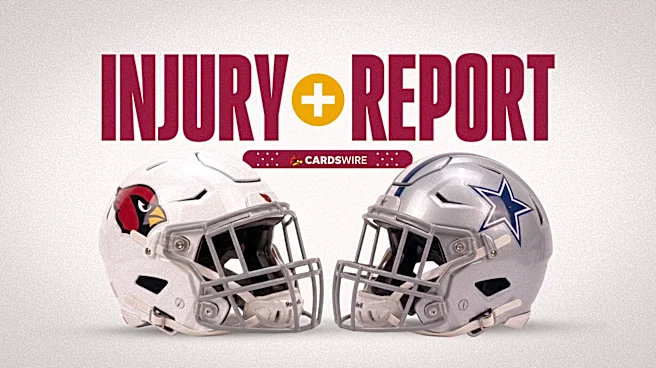
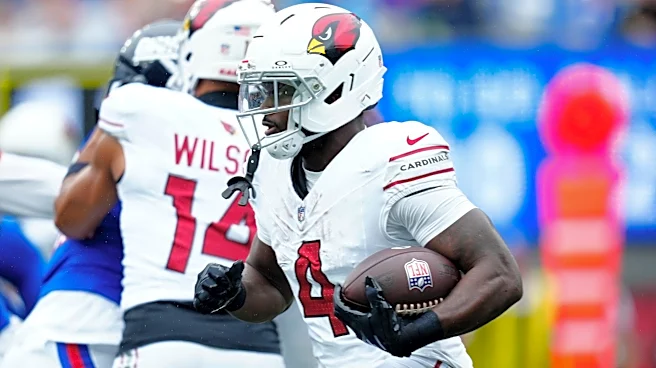
Jerry Jones, owner and general manager of the Dallas Cowboys, recently appeared on The K&C Masterpiece to discuss various aspects of the team's current state. Jones addressed the Cowboys' historical struggles against the Arizona Cardinals, noting their
unfavorable record against the team. He emphasized the need for the Cowboys to perform at their best to overcome this trend. Regarding the upcoming trade deadline, Jones indicated that the team would require a "dynamic situation" to consider giving up future draft picks, suggesting a cautious approach to potential acquisitions. He also highlighted the significant investments made in the team's defensive front, particularly in interior linemen, aiming for them to be impactful difference-makers. Jones expressed satisfaction with the defensive line's ability to generate pressure and stop runs, viewing it as a key improvement year-over-year. He also touched upon the importance of consistency and communication among players, especially in the defensive backfield, as crucial for improvement throughout the season.
Why It's Important?
Jerry Jones's comments offer insight into the strategic thinking behind the Dallas Cowboys' management and their approach to team building and in-season adjustments. His reluctance to part with draft picks signals a long-term vision for the franchise, prioritizing future talent acquisition unless an exceptional opportunity arises. The emphasis on the defensive line underscores a commitment to a strong foundational defense, which is often critical for playoff success in the NFL. This focus on defensive strength could influence game strategies and player development within the organization. Furthermore, Jones's public statements can impact fan expectations, player morale, and the team's perception within the league, especially as the trade deadline approaches and the team navigates its schedule. His perspective on overcoming historical challenges against specific opponents also highlights the psychological aspects of professional sports and the continuous drive for improvement.
What's Next?
Following Jerry Jones's remarks, the Dallas Cowboys will continue their season, with upcoming games providing opportunities to demonstrate the improvements and consistency he discussed. The team's performance against the Arizona Cardinals will be a key indicator of their ability to overcome past struggles. As the NFL trade deadline approaches, the Cowboys' actions, or inactions, in the trade market will reveal whether a "dynamic situation" materialized that warranted giving up draft picks. The continued development and impact of the defensive front, particularly the interior linemen, will be closely watched to see if their performance aligns with Jones's expectations. Additionally, the coaching staff and players will likely focus on enhancing communication and consistency, especially in the defensive backfield, to improve overall team cohesion and performance in the latter half of the season. The team's ability to maintain player health and manage attrition will also be critical in their pursuit of a playoff berth.
Beyond the Headlines
Jerry Jones's long-standing role as both owner and general manager of the Dallas Cowboys provides a unique perspective on the intersection of sports management, business strategy, and public relations in professional football. His comments often reflect not just immediate team needs but also broader organizational philosophies. The discussion about trade deadline strategies and the value of draft picks touches upon the economic principles of asset management within a sports franchise, balancing immediate competitive gains against future team building. The emphasis on defensive investment also highlights an evolving trend in the NFL, where strong defensive lines are increasingly seen as crucial for disrupting modern offenses. Furthermore, Jones's personal reflections on motivation and overcoming adversity offer a glimpse into the mindset of a long-tenured sports executive, underscoring the psychological resilience required in high-stakes environments. His continued involvement in political donations, as mentioned in the broader context, also illustrates the interconnectedness of sports ownership with wider political and economic landscapes.