




What's Happening?
The rise of fast fashion, particularly since the 2000s, has significantly altered consumer perceptions of clothing value, making trends more accessible at exceptionally low prices. This phenomenon has led to a normalization of inexpensive garments, causing
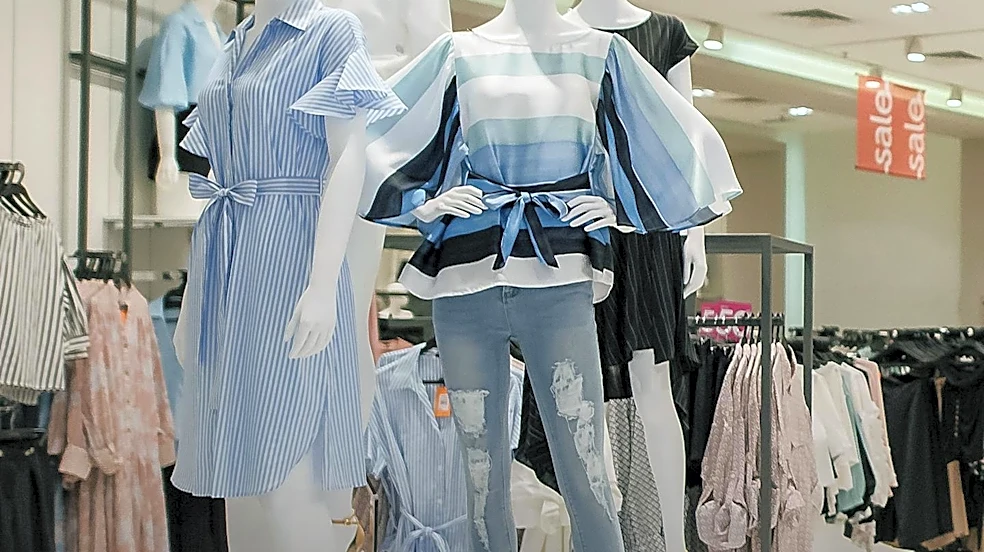
items priced above typical fast fashion rates to appear disproportionately expensive, even if they reflect better materials or craftsmanship. Brands like SHEIN have pushed the boundaries of affordability, offering items for as little as $7, which can make consumers hesitant to purchase similar products at higher price points, such as $70 for a single top. This shift has created a 'disappearing middle' in the fashion market, where consumers are accustomed to either extremely cheap or luxury-priced items, making moderately priced clothing a difficult sell. The secondhand market, once a source for quality and unique items at reasonable prices, is now increasingly saturated with used fast fashion, further complicating the perceived value of clothing.
Why It's Important?
This altered perception of clothing value has profound implications for the U.S. fashion industry and consumer behavior. It challenges traditional retail models that rely on a spectrum of price points, making it harder for brands offering mid-range products to compete. Consumers, accustomed to the 'dopamine game' of frequent, low-cost purchases, may overlook the quality and durability associated with higher-priced garments. This trend also exacerbates environmental concerns, as the low cost encourages overconsumption and rapid disposal, contributing to textile waste and pollution. The struggle for the 'middle' in fashion means that businesses focusing on sustainable practices, quality materials, and fair labor costs face an uphill battle against the ingrained expectation of ultra-low prices. This dynamic affects not only clothing manufacturers and retailers but also the broader economy by influencing manufacturing practices, supply chains, and consumer spending habits.
What's Next?
The ongoing dominance of fast fashion suggests a continued pressure on pricing across the apparel sector. Brands that prioritize quality and sustainability may need to innovate their marketing and business models to justify higher price points to a consumer base accustomed to extreme affordability. There could be a growing divide between ultra-low-cost fast fashion and high-end luxury, with the middle market continuing to shrink or adapt. The increasing presence of used fast fashion in the secondhand market may also lead to a re-evaluation of its role and value proposition. As awareness of environmental impact grows, there might be a push for policy changes or consumer education initiatives to encourage more sustainable purchasing habits, potentially influencing the long-term trajectory of the fashion industry and consumer expectations regarding clothing value.
Beyond the Headlines
The shift in clothing value perception extends beyond mere economics, touching upon ethical and cultural dimensions. The normalization of extremely low prices can obscure the true costs of production, including labor exploitation and environmental degradation, raising ethical questions about consumer responsibility. Culturally, the constant availability of cheap, trendy clothing fosters a disposable mindset, diminishing the appreciation for craftsmanship, durability, and personal style. This can lead to a cycle of perpetual consumption, where clothing is seen as temporary and easily replaceable rather than an investment. The challenge lies in re-educating consumers about the intrinsic value of clothing, promoting a culture of repair and reuse, and encouraging a more mindful approach to fashion consumption that considers both economic and ethical implications.