




What's Happening?
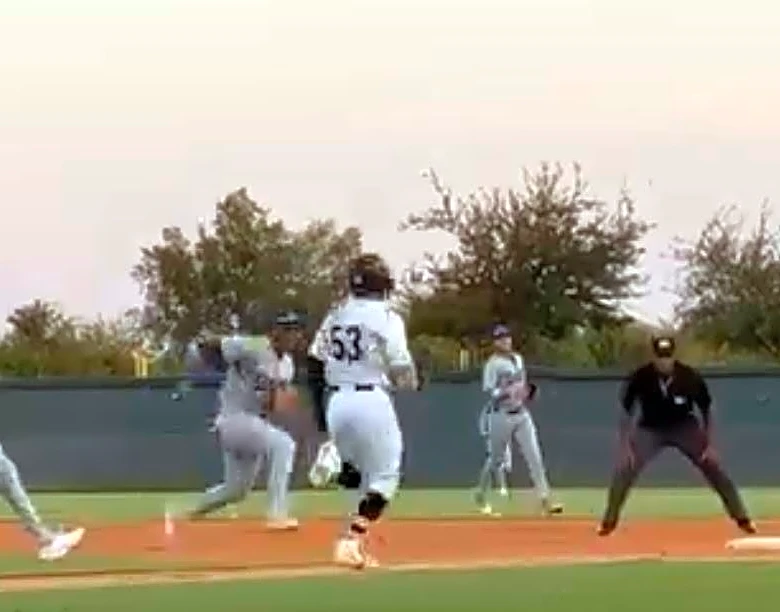
Prep Baseball Nebraska has published its 'Top Performers of 2026: Infield Velocity' report, detailing key statistics from events held throughout the past year. The report highlights the top statistical performers in various categories, focusing on infield
velocity. According to the data, 334 players demonstrated their throwing abilities across the diamond in 2026. Among these, 18 players in the 2027 class, 17 in the 2028 class, and 11 in the 2029 class recorded infield velocities of 85 miles per hour or higher. This annual compilation aims to provide a comprehensive snapshot of the current skill levels within each class, assisting players in reaching higher levels of competition and connecting them with college programs nationwide.
Why It's Important?
This report is crucial for high school baseball players in Nebraska aspiring to play at the collegiate level, as it provides a benchmark for their performance and offers visibility to college recruiters. For college programs, the detailed statistics from Prep Baseball Nebraska serve as a valuable scouting tool, helping them identify and evaluate potential recruits based on objective metrics like infield velocity. The consistent tracking of these metrics contributes to the development of baseball talent within the state, fostering a competitive environment that encourages players to improve. Furthermore, the data helps coaches and trainers understand the current standards and areas for development in youth baseball, influencing training methodologies and player development strategies.
What's Next?
Prep Baseball Nebraska will continue its mission to support players by organizing more events and compiling similar performance reports in 2027. These ongoing evaluations will provide updated statistics and insights into player development. Players who performed well in 2026 will likely use these results to attract further attention from college scouts, while others may focus on improving their metrics for future events. The organization's role in connecting players with over 900 colleges and professional teams suggests that these reports will remain a significant resource in the college recruitment process for Nebraska's baseball talent.
Beyond the Headlines
Beyond the immediate impact on player recruitment, these reports reflect the increasing professionalization of youth sports and the reliance on data analytics in talent identification. The emphasis on specific metrics like infield velocity underscores a shift towards quantifiable performance indicators in baseball scouting. This trend can create both opportunities and pressures for young athletes, encouraging specialization and intense training from an early age. It also highlights the role of third-party scouting services in bridging the gap between high school athletes and collegiate programs, shaping the pathways for athletic advancement and scholarship opportunities. The data-driven approach could also influence how high school baseball programs structure their training and development to align with collegiate expectations.