






What's Happening?
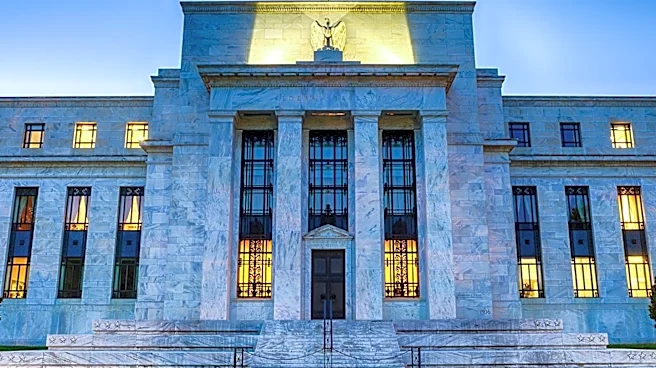
U.S. investors are reevaluating the role of bonds in their portfolios due to persistent inflation and changing economic conditions. Traditionally, bonds have been used to cushion against equity selloffs, but their effectiveness has diminished as inflation remains
a concern. The Federal Reserve's steady interest rates and the current bond yields suggest that investors are demanding higher premiums for long-term investments. As a result, many are diversifying into commodities, infrastructure, and other inflation-sensitive assets to better preserve purchasing power.
Why It's Important?
This shift in investment strategy reflects broader economic trends and concerns about inflation's impact on traditional financial instruments. For U.S. investors, the move away from bonds towards real assets like commodities and infrastructure indicates a significant change in risk management and portfolio diversification strategies. This trend could influence market dynamics, affecting everything from asset prices to investment flows. The focus on inflation-resistant assets also highlights the ongoing challenges posed by global economic uncertainties, including geopolitical tensions and supply chain disruptions.
What's Next?
As investors continue to adapt to these economic conditions, we may see further diversification into alternative asset classes. Financial institutions and advisors might develop new products and strategies to cater to this demand. Additionally, the Federal Reserve's future policy decisions will be closely monitored, as they could impact inflation expectations and investment strategies. The evolving landscape may also prompt regulatory considerations regarding the management and disclosure of investment risks associated with inflation.