


What's Happening?
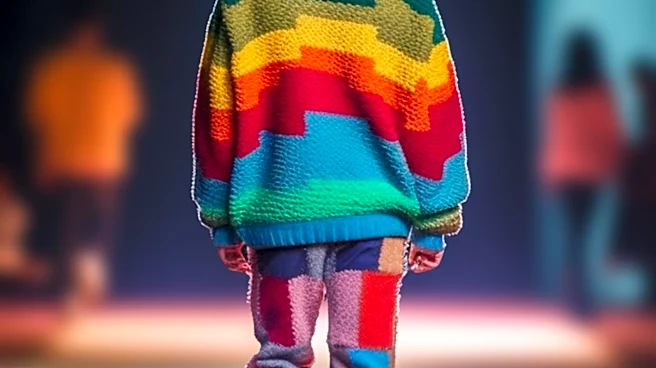
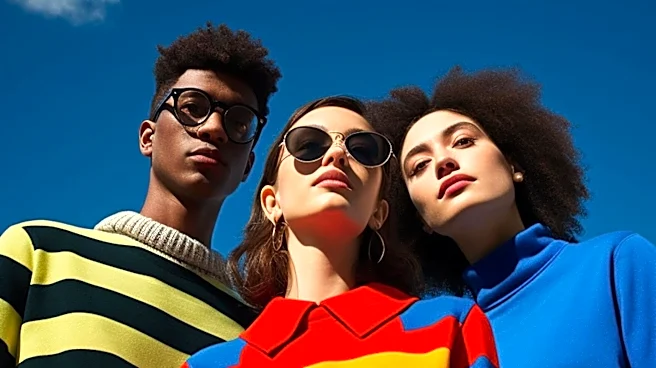
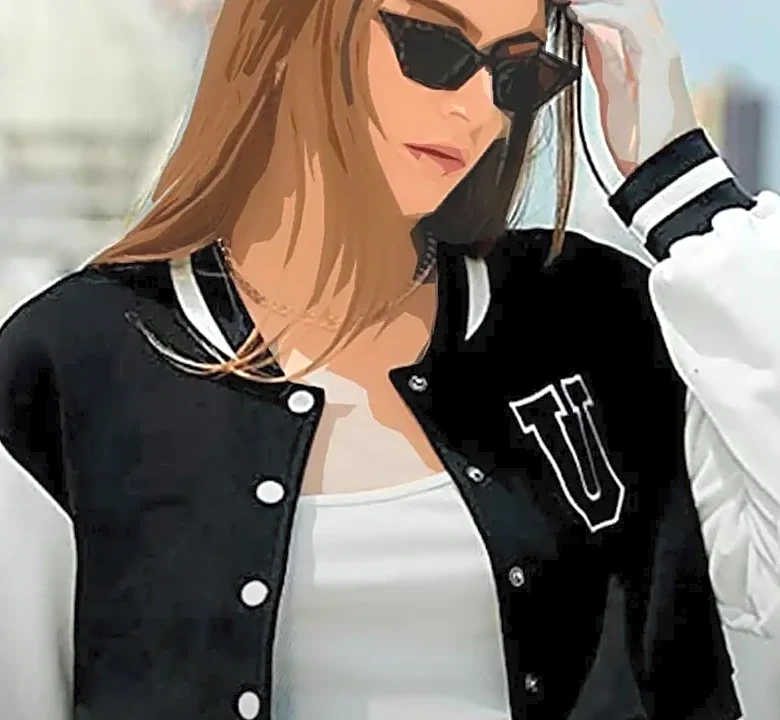
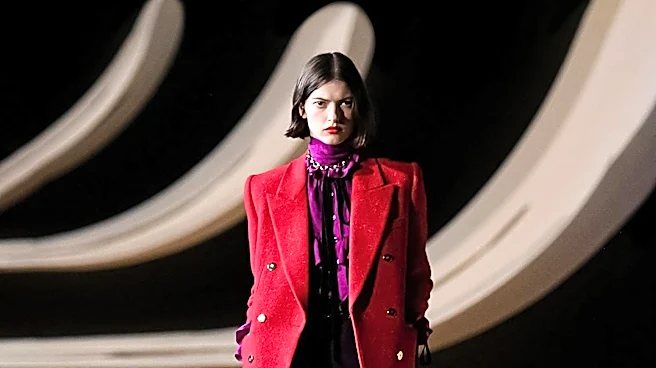
Maximalism is emerging as a dominant trend in fashion and interior design, signaling a departure from the minimalist aesthetics that have prevailed in recent years. In fashion, designers like Burberry and Valentino are showcasing an abundance of tactile
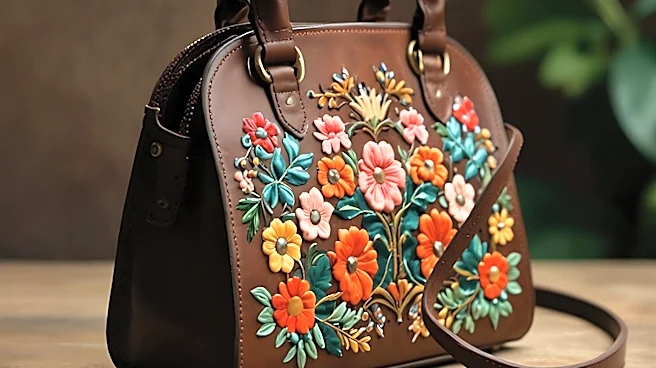
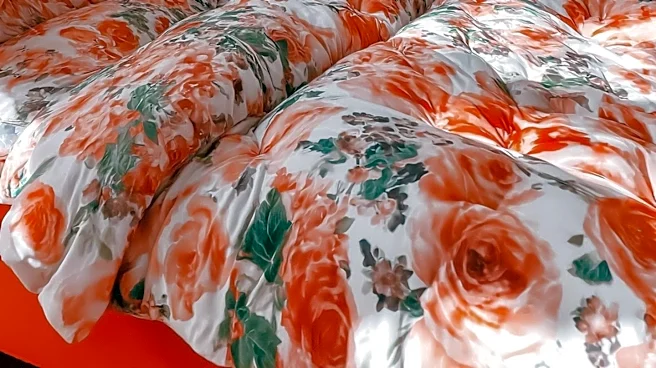
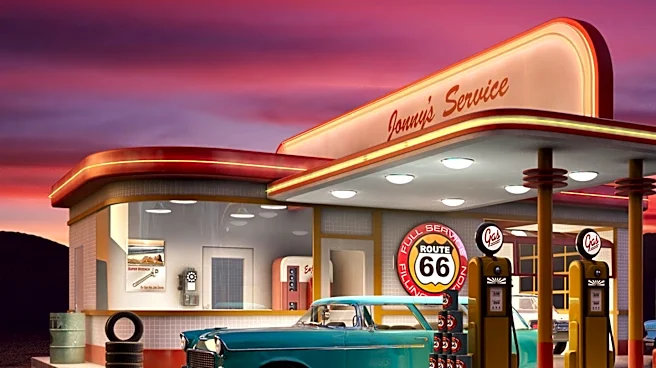
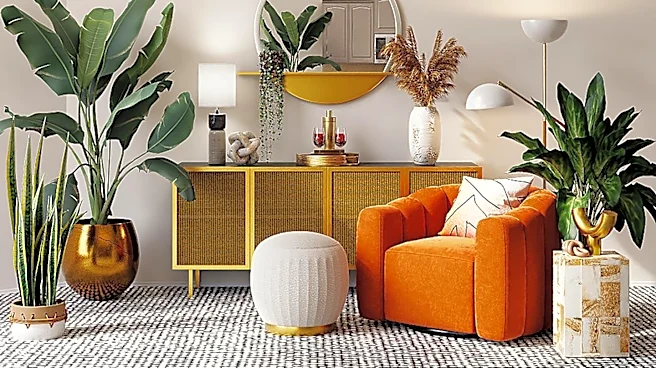
textures, including plush furs, rich jacquards, and heavy fringe. This shift also involves a move away from neutral color palettes towards metallic finishes and neon accents, alongside a preference for statement jewelry over subtle pieces. In interior design, maximalism emphasizes creating spaces that reflect personal culture and intention through layered fabrics, quilts, and pillows. This trend is characterized by vibrant colors, diverse patterns, and a collection of unique items, often sourced from vintage markets or personal travels, to create a lived-in and character-filled environment. The movement is seen as an embrace of personality and quirk, offering a more accessible and often more affordable approach to style compared to the 'quiet luxury' associated with minimalism.
Why It's Important?
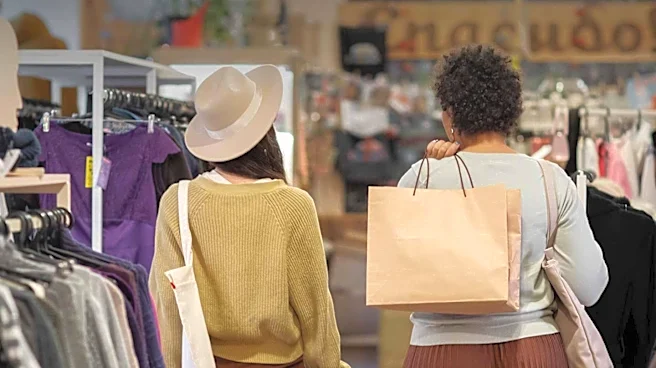
The resurgence of maximalism holds significant implications for U.S. industries, particularly in retail, fashion, and home decor. For consumers, this trend offers an opportunity for greater self-expression and personalization, moving away from uniform aesthetics. The emphasis on vintage finds and repurposing items suggests a potential boost for second-hand markets and independent artisans, while also making stylish living more attainable for those without designer budgets. For businesses, adapting to maximalist preferences means diversifying product lines to include bolder colors, varied textures, and unique, statement pieces. This shift could challenge brands that have heavily invested in minimalist designs, requiring them to innovate and cater to a broader range of aesthetic tastes. The trend also highlights a cultural desire for individuality and authenticity, which can influence marketing strategies and product development across various sectors.
What's Next?
The continued growth of maximalism is expected to influence product offerings and marketing strategies across fashion, home goods, and even packaging industries. Brands will likely introduce more vibrant collections, diverse patterns, and textured materials to meet consumer demand. Retailers may see an increased focus on curated vintage sections and collaborations with artists to offer unique, maximalist-friendly items. In interior design, the trend suggests a move towards more personalized and eclectic home aesthetics, potentially leading to a rise in demand for custom-made furniture, unique art pieces, and decorative textiles. The shift could also encourage consumers to explore creative ways of combining different styles and eras, fostering a more experimental approach to personal and home styling. This evolution will likely be reflected in upcoming seasonal collections and design showcases, further solidifying maximalism's presence in the market.
Beyond the Headlines
Beyond its immediate impact on consumer trends, the rise of maximalism reflects a broader cultural shift towards valuing individuality and personal narrative over conformity. In an increasingly digital and often homogenized world, maximalism provides a tangible way for individuals to assert their identity and create spaces that tell their unique story. This aesthetic movement can be seen as a form of rebellion against the perceived blandness of minimalism and 'quiet luxury,' offering a more democratic and inclusive approach to style. Ethically, the emphasis on vintage and repurposed items aligns with growing sustainability concerns, encouraging consumers to make more conscious choices about consumption. Culturally, it celebrates diversity and the richness of various traditions, allowing for a more eclectic and globally inspired approach to design. This trend suggests a deeper yearning for authenticity and emotional connection in material possessions and environments.