








What's Happening?
Research into 'Blue Zones'—regions where people consistently live to 90, 100, and beyond with remarkable health—reveals that diet is a primary factor in their longevity. These populations, including those in Loma Linda, California, consume whole, minimally
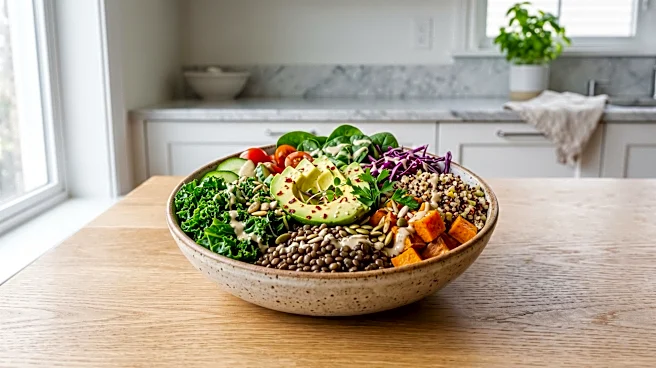
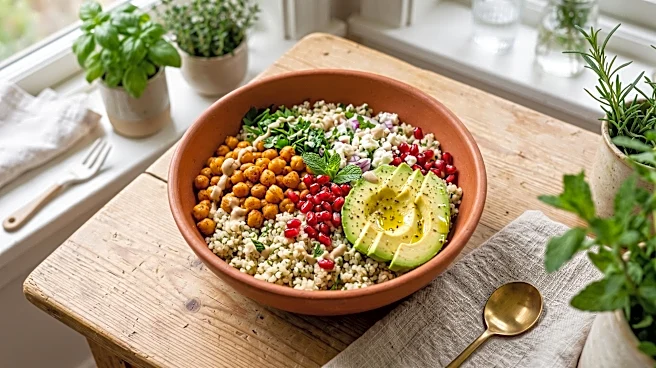
processed foods, often grown locally and prepared using traditional methods. Key dietary patterns include a plant-rich diet, with legumes consumed daily, and meat eaten sparingly as a flavoring rather than a main course. For instance, the Adventist community in Loma Linda, the only U.S. Blue Zone, shows that vegetarians live significantly longer. Traditional preparation methods, such as the natural fermentation of Sardinian sourdough bread and Okinawan miso, enhance nutritional value by reducing gluten, lowering the glycemic index, and contributing beneficial bacterial cultures. The Okinawan practice of 'hara hachi bu'—eating until 80% full—is also a common cultural practice that contributes to moderate caloric intake. These eating habits are deeply embedded in culture, emphasizing mindful consumption and communal meals.
Why It's Important?
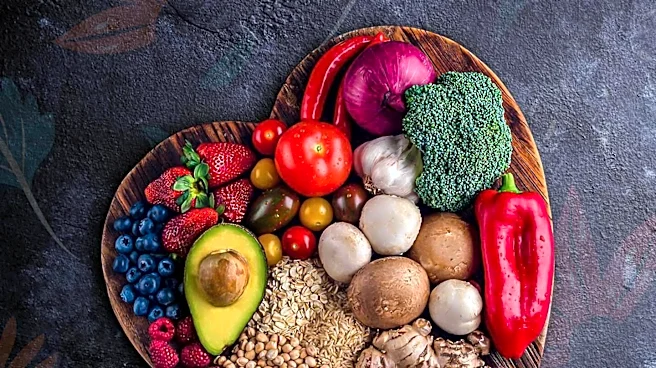
The findings from Blue Zones offer a compelling blueprint for improving public health and extending healthy lifespans in the U.S. The emphasis on plant-based, minimally processed foods directly counters the prevalent Western diet, which is often high in ultra-processed items linked to increased mortality risk. Adopting Blue Zone eating principles could significantly reduce the incidence of chronic diseases like heart disease, type 2 diabetes, and certain cancers, which are major health burdens in the U.S. The focus on traditional food preparation methods also highlights the importance of food quality over quantity and the benefits of natural fermentation for gut health. For U.S. consumers, this research provides actionable insights into dietary changes that do not require expensive supplements or radical lifestyle overhauls, but rather a shift towards more mindful and traditional eating patterns. This could influence food policy, encourage local food systems, and promote healthier eating habits across the nation.
What's Next?
The insights from Blue Zones are likely to continue influencing dietary recommendations and public health campaigns in the U.S. There may be increased promotion of plant-based diets, greater emphasis on consuming legumes, and encouragement of traditional food preparation techniques. Food manufacturers might respond by offering more minimally processed and fermented food options. Educational initiatives could focus on teaching consumers about mindful eating practices, such as 'hara hachi bu,' and the benefits of communal dining. Policy discussions might also consider how to support local food production and reduce the availability and consumption of ultra-processed foods. The long-term impact could be a gradual but significant shift in the American diet, leading to improved health outcomes and a reduction in healthcare costs associated with chronic diseases.
Beyond the Headlines
Beyond the immediate health benefits, the Blue Zone phenomenon reveals deeper cultural and societal implications. The communal aspect of eating, the unhurried pace of meals, and the connection to locally grown, seasonal foods suggest a lifestyle that prioritizes well-being over convenience. This challenges the fast-paced, individualistic eating culture often seen in the U.S. The concept of 'hara hachi bu' is not just about calorie restriction but about a mindful relationship with food, fostering a sense of satisfaction without excess. The moderate consumption of wine in some Blue Zones, always with food and in social settings, underscores the importance of context and ritual in dietary practices. These findings encourage a re-evaluation of how food is integrated into daily life, moving beyond mere sustenance to encompass social connection, cultural heritage, and environmental consciousness. The lessons from Blue Zones offer a pathway not just to longer lives, but to richer, more fulfilling ones.