


What's Happening?
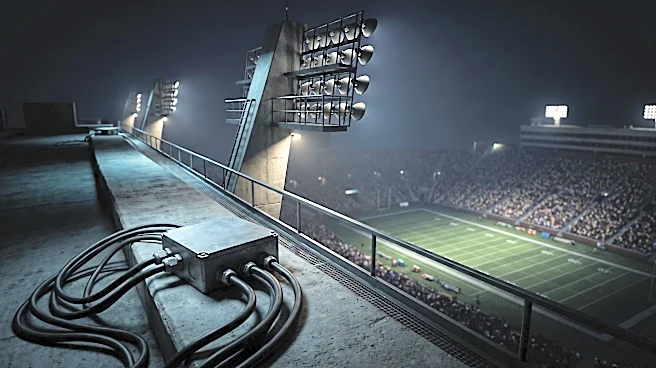
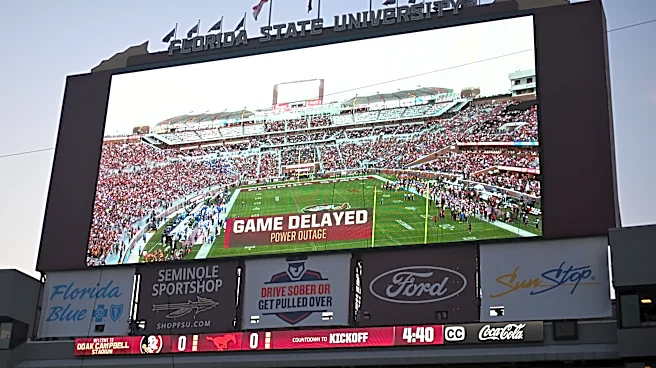
The college football game between No. 19 SMU and Florida State experienced a nearly two-hour delay on Monday night due to a power outage at Doak Campbell Stadium in Tallahassee, Florida. The power disruption occurred just minutes before the scheduled
kickoff. Technical staff identified an electrical short in the main transformer on the west side tower as the cause. The delay lasted approximately 1 hour and 45 minutes, with the teams finally taking the field for warmups at 9 p.m. EDT and the game commencing at 9:15 p.m. Upon resumption, not all stadium lights were operational, and several critical game functions were affected. These included a lack of coach-to-player communication, no iPads on the sidelines, no public address announcer, and a non-functional scoreboard. On-field officials were responsible for keeping track of game time. Some replays were still shown on the Jumbotron. Coach-to-player communication and clock functions were eventually restored with about six minutes remaining in the second quarter.
Why It's Important?
This incident highlights the vulnerability of large-scale sporting events to infrastructure failures, even in modern stadiums. The disruption impacted not only the players and coaching staff, who had to adapt to significantly altered game conditions, but also thousands of fans in attendance and those watching remotely. The absence of essential communication tools like coach-to-player systems and iPads could have a tangible effect on game strategy and player performance, potentially influencing the outcome of a nationally televised contest. Furthermore, the lack of a scoreboard and public address system diminished the fan experience and created logistical challenges for officials. The delay also had financial implications, including potential impacts on broadcast schedules and advertising revenue. For the universities involved, such an event can raise questions about facility maintenance and emergency preparedness, potentially affecting future scheduling or public perception.
What's Next?
Following the power outage and subsequent delay, Florida State University and stadium management will likely conduct a thorough investigation into the cause of the electrical short and implement measures to prevent similar occurrences in the future. This could involve comprehensive electrical system inspections, upgrades to infrastructure, and enhanced emergency power protocols. The Atlantic Coast Conference (ACC) commissioner, Jim Phillips, was present and engaged with athletic directors from both schools, suggesting that the league may also review the incident to establish best practices for managing such disruptions. For the teams, the immediate focus will be on adjusting to the unusual game conditions and completing the match. In the longer term, this event may prompt other sports venues to re-evaluate their own power backup systems and contingency plans for unexpected technical failures during live events.
Beyond the Headlines
The power outage at Doak Campbell Stadium underscores a broader societal reliance on robust infrastructure, even for seemingly non-critical events like sports games. It reveals how a single point of failure, such as an electrical short in a main transformer, can cascade into widespread disruption, affecting communication, information dissemination, and the overall experience for a large audience. This incident could serve as a case study for event organizers and facility managers on the importance of redundancy and resilience in critical systems. It also subtly touches upon the psychological aspect of live events, where the unexpected can either create a unique, memorable experience for fans (as evidenced by fans doing the wave and beach balls) or lead to frustration and dissatisfaction. The event also highlights the increasing technological integration in sports, where the failure of systems like coach-to-player communication can significantly alter the dynamics of the game.