





What's Happening?
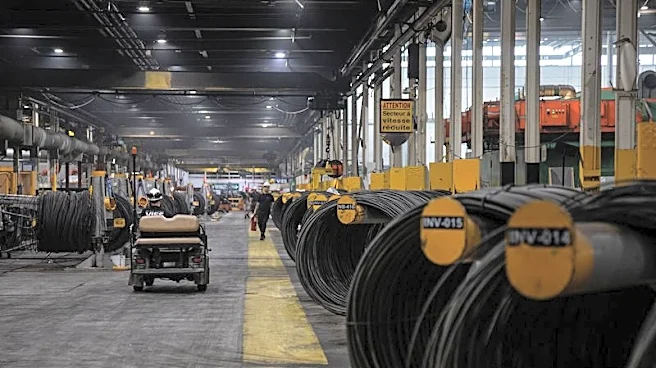
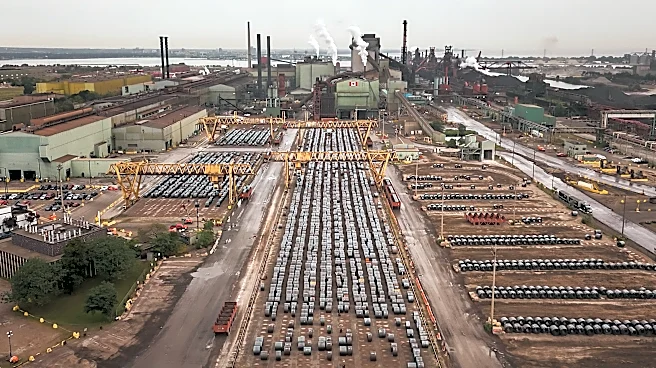
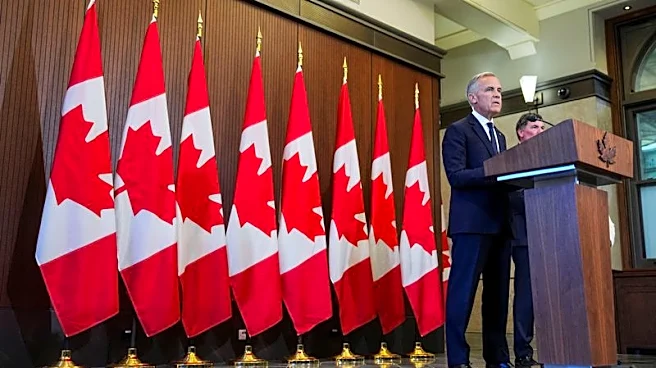
Canada's Prime Minister Mark Carney announced the imposition of retaliatory import taxes on several key U.S. sectors, including steel, dairy, appliances, agricultural equipment, pulp and paper, and electronics. This action comes after trade negotiations
between the two countries failed, with Canada matching U.S. tariffs 'dollar for dollar.' The U.S. had previously enacted a 50% tariff on approximately $20 billion worth of Canadian exports, which constitutes about 5% of Canada’s total shipments to the U.S. These U.S. tariffs became effective on August 22, and Prime Minister Carney's response was issued on the same day. The breakdown in talks occurred due to what Canada deemed 'unfair, uneconomic' last-minute changes introduced by the U.S. during negotiations, leading Canada to suspend discussions and recall its negotiators.
Why It's Important?
This escalation in trade tensions between the U.S. and Canada carries significant implications for both economies. For U.S. industries, the retaliatory tariffs will likely increase the cost of exporting goods to Canada, potentially reducing demand and impacting profitability for businesses in the targeted sectors. Consumers in both countries could face higher prices for imported goods. The breakdown of trade talks and the imposition of tariffs signal a period of economic uncertainty and strained diplomatic relations between two historically close trading partners. This situation could also set a precedent for other countries in their trade dealings with the U.S., potentially leading to a more protectionist global trade environment. The affected sectors in the U.S. may experience job losses or reduced investment as companies grapple with the new trade barriers.
What's Next?
Following the collapse of trade talks and the implementation of retaliatory tariffs, Prime Minister Carney has indicated that support measures for Canadian workers and businesses affected by the tariff fallout are forthcoming. This suggests that Canada is preparing for a prolonged period of trade disputes with the U.S. The U.S. administration may consider further actions in response to Canada's tariffs, potentially leading to a cycle of escalating trade barriers. Businesses in both countries will need to adapt to the new trade landscape, which could involve re-evaluating supply chains, seeking new markets, or absorbing increased costs. The situation also raises questions about the future of broader trade agreements and the potential for a more fragmented global economy.
Beyond the Headlines
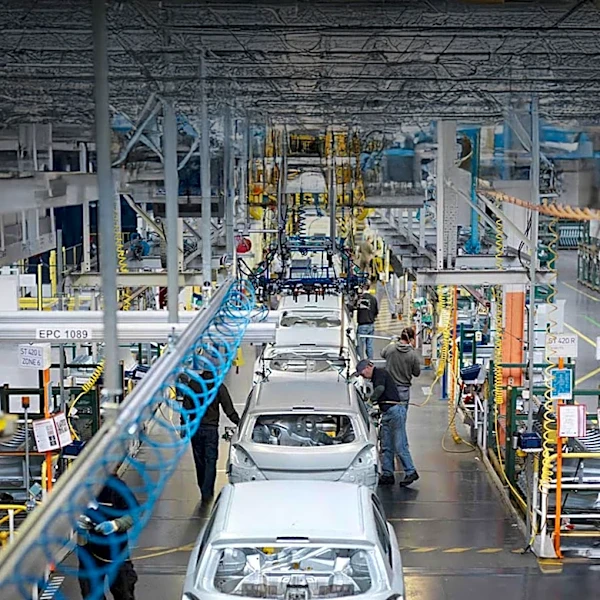
The current trade dispute between the U.S. and Canada highlights a recurring pattern of tit-for-tat tariff escalations, particularly during President Trump's second term, which previously targeted steel, aluminum, autos, and lumber. This ongoing friction underscores a shift in international trade dynamics, moving away from established free trade principles towards more protectionist policies. The economic impact extends beyond immediate financial losses, potentially fostering long-term distrust and instability in international trade relations. The dispute also raises questions about the effectiveness of traditional diplomatic channels in resolving complex economic disagreements, suggesting a need for new approaches to manage trade conflicts between allied nations. The broader implications could include a re-evaluation of economic interdependence and the potential for increased domestic production in both countries.