





What's Happening?
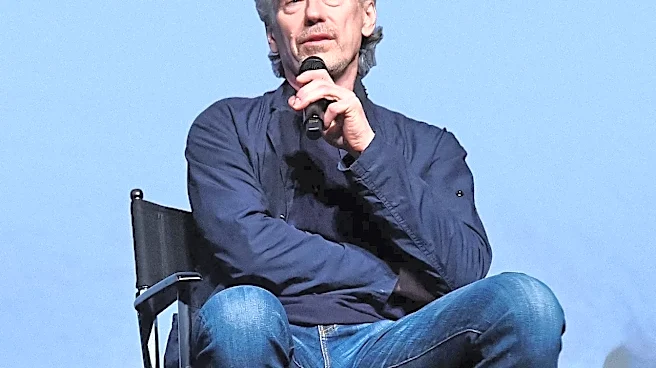
Filmmaker Na Hong-Jin shared insights into his creative process and the inspirations behind his films, including 'Hope,' 'The Chaser,' and 'The Wailing,' during a masterclass at the Busan International Film Festival. Na revealed that his film 'Hope' originated
from a conviction in 2017 that war was imminent on the Korean peninsula, fueled by reports of U.S. fighter jets and bombers over Pyongyang. This sense of foreboding, combined with a general unease about human communication, forms the foundation for his projects. He detailed his unconventional research methods, such as spending time with detectives for 'The Chaser,' meeting a gangster in Yanbian for 'The Yellow Sea,' and living with shamans at a mountain hermitage for 'The Wailing.' Na emphasized that he doesn't actively seek material but rather waits for it to find him through interactions with diverse individuals. He also discussed his upbringing, influenced by his mother's love for horror and thrillers, and his academic background in crafts, which he believes shaped his approach to filmmaking.
Why It's Important?
Na Hong-Jin's masterclass offers a rare glimpse into the mind of a critically acclaimed filmmaker, providing valuable insights for aspiring directors and film enthusiasts. His discussion of how real-world anxieties, such as the fear of war, directly influence his artistic output highlights the profound connection between societal concerns and creative expression. The detailed accounts of his immersive research methods underscore the dedication required to achieve authenticity in storytelling, potentially inspiring a deeper appreciation for the craft of filmmaking. Furthermore, his unique perspective on character development, set design, and post-production challenges the conventional approaches within the Korean film industry, potentially sparking discussions about innovation and artistic freedom. His emphasis on the importance of post-production, often undervalued, could lead to a re-evaluation of its significance in the overall filmmaking process, impacting industry standards and resource allocation.
What's Next?
Na Hong-Jin's future projects will likely continue to explore themes of human complexity and societal anxieties, drawing from his unique observational approach. While he has not explicitly detailed his next film, his stated desire to increasingly allow audiences to see 'light' in his endings suggests a potential shift in the tone of his future works, moving away from the pervasive darkness of his earlier films. This evolution could lead to new narrative styles and thematic explorations, potentially broadening his audience appeal while maintaining his distinctive artistic voice. His continued engagement with diverse individuals and real-world phenomena will undoubtedly inform his upcoming narratives, promising fresh and thought-provoking cinematic experiences. The impact of his masterclass on film students and emerging filmmakers could also manifest in future productions that adopt similar immersive research techniques and unconventional storytelling methods.
Beyond the Headlines
Beyond the immediate insights into Na Hong-Jin's filmmaking, his reflections touch upon broader philosophical questions about truth, perception, and the human condition. His observation that people's words are a mix of truth, distortion, and lies, regardless of intent, speaks to the inherent complexities of human communication and the challenges of discerning reality. His immersive experiences, particularly living with shamans, hint at a deeper engagement with spiritual and existential dimensions, suggesting that his films are not merely genre exercises but explorations of profound human experiences. The influence of his upbringing, particularly his mother's literary tastes, underscores the long-term impact of early exposure to art and storytelling on an individual's creative trajectory. His preference for spending time with people outside the film industry highlights a commitment to drawing inspiration from authentic human experiences rather than insular artistic circles, fostering a more grounded and relatable cinematic vision.