




What's Happening?
Paul Smith has inaugurated a new flagship store on Madison Avenue in New York City, marking a significant step in the British fashion brand's strategy to expand its presence in North America. The two-story retail space, located on the Upper East Side,
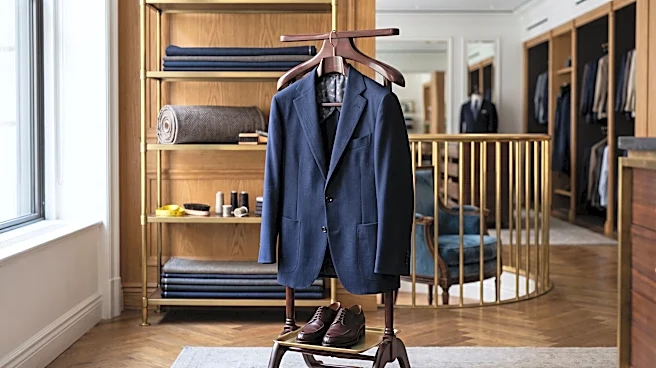
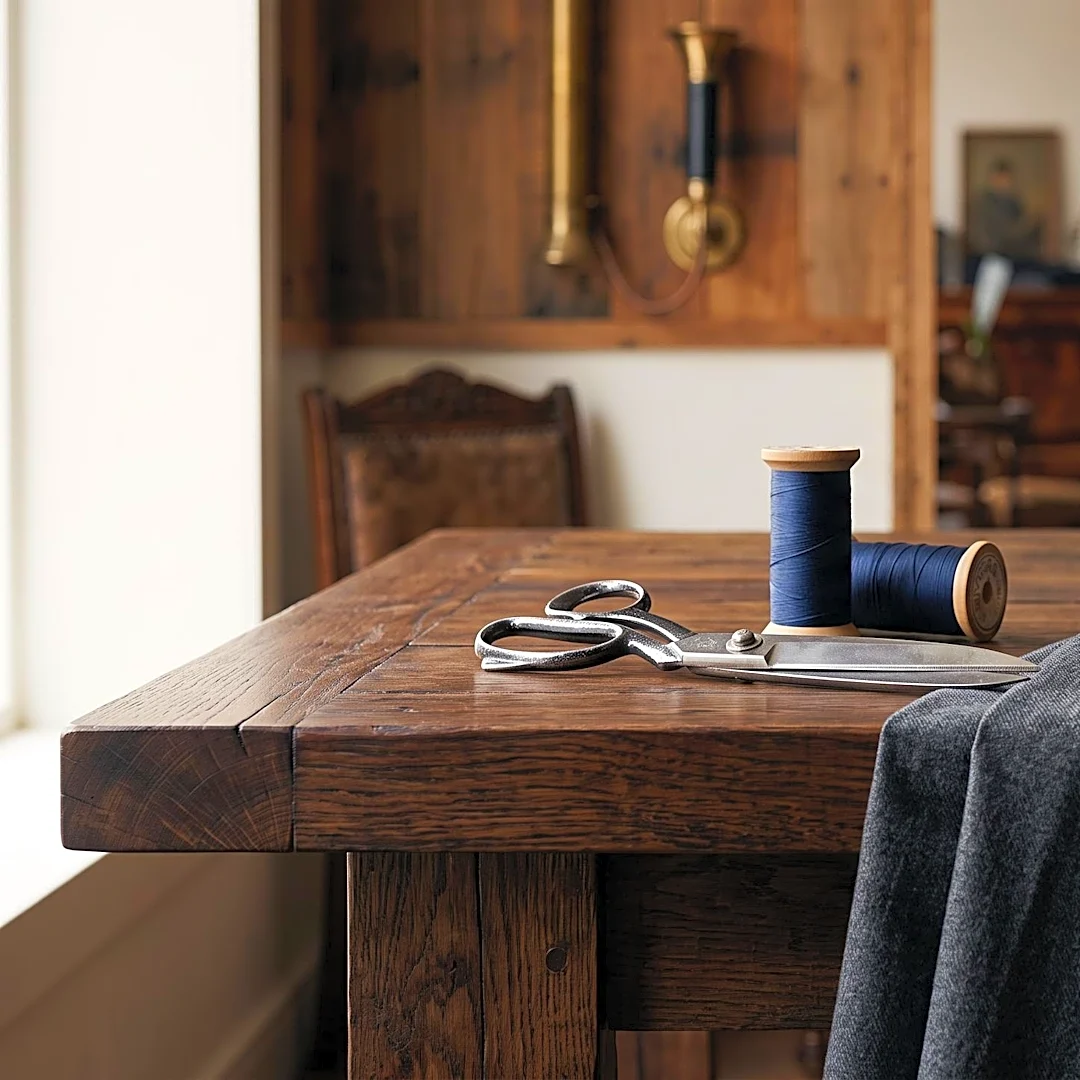
draws inspiration from designer Sir Paul Smith’s London home, blending tailoring and ready-to-wear collections with vintage furniture, art, and custom design elements. This opening signifies Paul Smith's entry into the Upper East Side, nearly four decades after its initial New York store debuted on Fifth Avenue. The store features distinct sections for men's and women's ready-to-wear, alongside a dedicated upper level for tailoring, occasionwear, and Made to Measure services. Interior details include reclaimed wood paneling, antique furnishings, signature stripe upholstery, and artworks personally collected by Smith. Unique artistic touches, such as a mosaic by French artist Alexandra Carron depicting a needle and thread, banana-shaped door handles, and a speaking tube connecting the tailoring area to the cash desk, are also incorporated.
Why It's Important?
The launch of Paul Smith's Madison Avenue flagship is a strategic move aimed at bolstering the brand's growth and market share in the competitive North American luxury fashion sector. By establishing a presence in the Upper East Side, a prime location known for its affluent clientele and high-end retail, Paul Smith is positioning itself to attract a discerning customer base and elevate its brand image. This expansion reflects a broader trend of international fashion houses investing in physical retail experiences in key U.S. markets, despite the rise of e-commerce. The store's residential-inspired concept offers a unique shopping environment, differentiating it from traditional retail spaces and potentially fostering deeper customer engagement. For the U.S. retail landscape, this opening contributes to the vibrancy of New York City's luxury shopping districts and signals continued confidence in brick-and-mortar retail for premium brands. The investment underscores the importance of the U.S. market for global fashion brands seeking sustained growth.
What's Next?
Danny Power, president of Paul Smith North America, has indicated that this opening is a crucial step in the company's ambitious growth plans for the region. The brand aims to sharpen its market positioning and increase its visibility among North American consumers. Future initiatives may include further targeted marketing campaigns, exclusive product launches tailored to the U.S. market, and potential collaborations to enhance brand appeal. The success of this flagship store will likely influence Paul Smith's future investment decisions and expansion strategies across other major U.S. cities. The brand will likely monitor sales performance, customer feedback, and overall market reception to refine its North American approach. This move could also inspire other luxury brands to re-evaluate their physical retail footprints and experiential offerings in key U.S. urban centers, potentially leading to increased competition and innovation in the high-end retail sector.
Beyond the Headlines
The opening of Paul Smith's new flagship store transcends a simple retail expansion; it represents a strategic commitment to the enduring value of physical retail in an increasingly digital world, particularly within the luxury segment. The store's design, which integrates elements of Sir Paul Smith's personal home, blurs the lines between retail and lifestyle, offering customers an immersive brand experience rather than just a transactional one. This approach taps into a growing consumer desire for authenticity and unique experiences, suggesting a long-term shift in how luxury brands engage with their clientele. Ethically, the use of reclaimed wood and antique furniture could subtly align with sustainability trends, appealing to environmentally conscious consumers. Culturally, the store's blend of British design sensibilities with a New York setting creates a unique cross-cultural retail narrative, reinforcing the global nature of fashion while maintaining a distinct brand identity. This move highlights the evolving role of physical stores as brand showcases and experiential hubs.