







What's Happening?
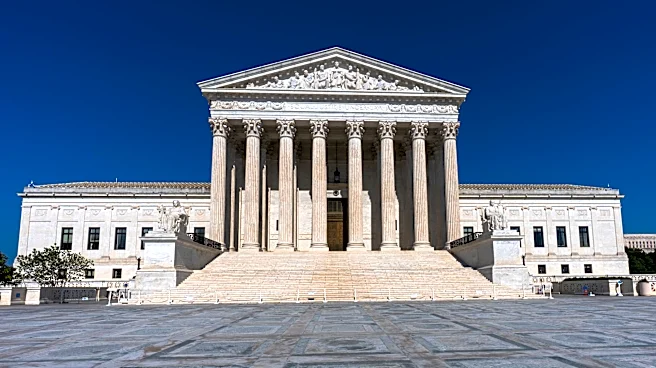
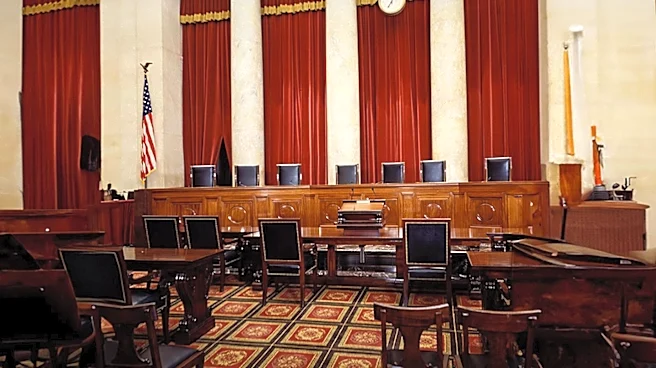
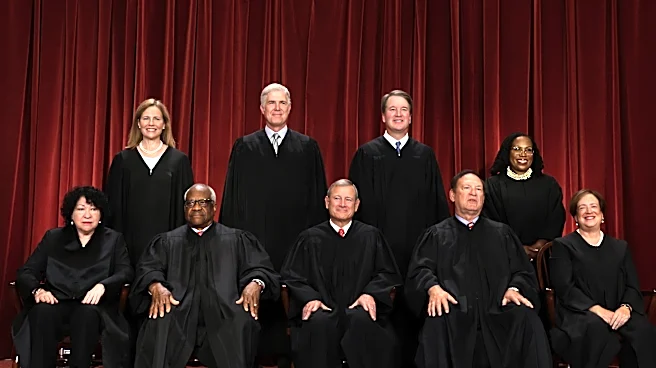
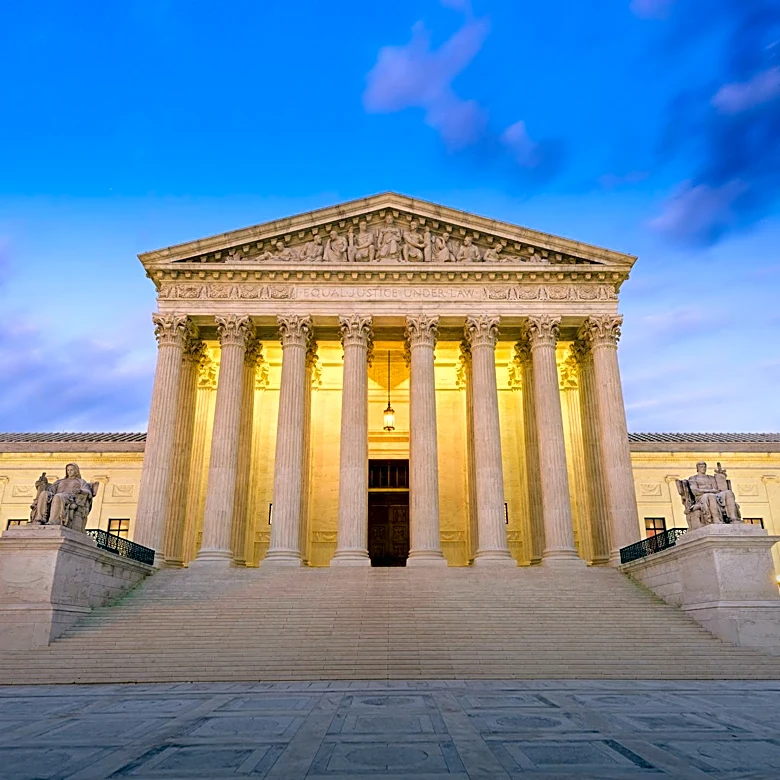
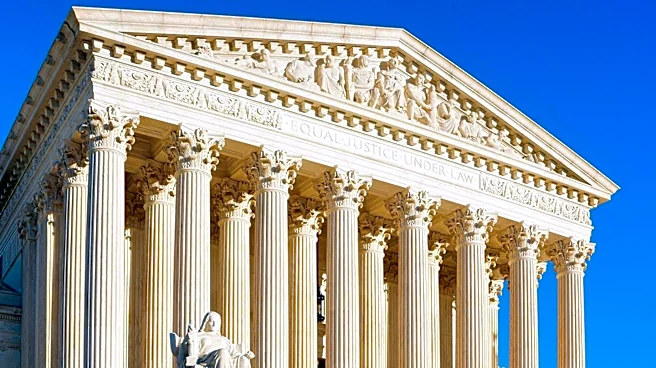
The U.S. Supreme Court has ruled in Cisco Systems, Inc. v. Doe, determining that the Alien Tort Statute (ATS) and the Torture Victim Protection Act (TVPA) do not create private rights of action for aiding and abetting. This decision is seen as a victory
for U.S. companies facing lawsuits for alleged overseas conduct. The ruling further restricts the scope of the ATS and TVPA, which have been used by plaintiffs to hold companies accountable for international law violations. The decision may prompt plaintiffs to explore alternative legal avenues.
Why It's Important?
The Supreme Court's decision represents a significant limitation on the ability of plaintiffs to use the ATS and TVPA to hold U.S. companies liable for international law violations. This ruling could reduce the legal risks for companies operating globally, particularly those with complex supply chains. However, it may also lead to increased scrutiny and pressure from human rights advocates seeking accountability for corporate conduct. The decision underscores the ongoing debate over the role of U.S. courts in addressing international human rights issues and the balance between corporate interests and accountability.
What's Next?
Following the Supreme Court's decision, plaintiffs may shift their focus to other legal frameworks, such as the Trafficking Victims Protection Reauthorization Act, to pursue claims against companies. Companies will need to remain vigilant in their human rights due diligence and compliance efforts to mitigate potential legal and reputational risks. The decision may also prompt legislative discussions on the scope of corporate liability for international law violations, as stakeholders seek to address the gaps left by the ruling.