



What's Happening?
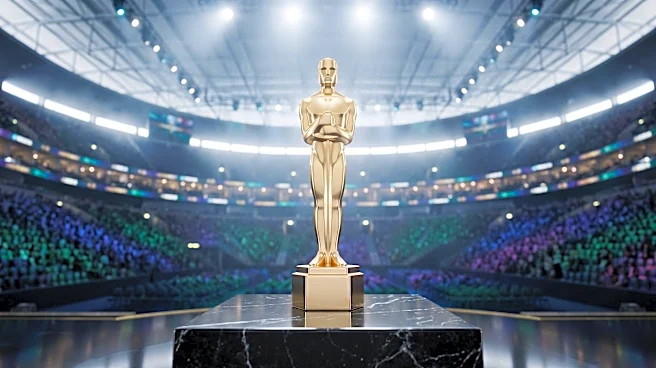
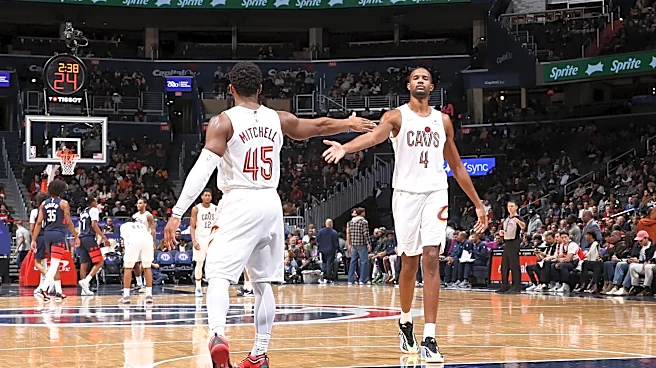
The Kennedy Center Honors ceremony is moving to Capital One Arena, a 20,000-seat sports and concert venue in Washington D.C., marking the first time the event will be held outside its original home since its inception in 1978. This relocation is necessitated
by the Kennedy Center remaining closed, prompting organizers to re-envision the traditionally rigid ceremony. Capital One Arena, built in 2006, is a modern multipurpose space designed for sporting events and concerts, contrasting sharply with the intimate grandeur of the Kennedy Center Concert Hall. The arena's capacity is roughly double that of the Concert Hall, which requires significant adjustments to production, camera angles, and the overall staging of the event. This move disrupts the carefully established ritual of the Honors, which has historically relied on the Concert Hall's specific architectural features to create a sense of intimacy and emotional impact between performers and honorees. The producers now face the challenge of maintaining the ceremony's gravitas in a venue built for large-scale, high-volume events rather than restrained elegance.
Why It's Important?
This unprecedented relocation of the Kennedy Center Honors signifies a major shift for one of America's most prestigious arts ceremonies. The move from a venue designed for intimate cultural celebrations to a large-scale arena fundamentally alters the event's established dynamic. The traditional proximity between performers and honorees, a hallmark of the Honors, will be difficult to replicate in a much larger space, potentially impacting the emotional resonance for both live and television audiences. For viewers accustomed to the controlled elegance of the Kennedy Center, the arena setting may appear unfamiliar or even chaotic, challenging the ceremony's long-standing aesthetic. This change also highlights the broader impact of venue closures on cultural institutions, forcing them to adapt and innovate in ways that may permanently alter established traditions. The success or failure of this adaptation could set a precedent for how other major cultural events navigate similar logistical challenges in the future.
What's Next?
The immediate next step for the Kennedy Center Honors producers is to address the technical and logistical challenges of staging the ceremony in Capital One Arena. This includes scaling the production to fit the larger venue, rethinking camera placements for television broadcasts, and finding ways to recreate a sense of intimacy in a space designed for mass audiences. It remains unclear whether this relocation is a temporary, one-year emergency measure or if it signals a potential long-term shift for the Honors. The Kennedy Center's official reopening timeline has not been confirmed, which will influence future decisions regarding the ceremony's venue. Stakeholders, including the honorees, performers, and television audiences, will be observing how the event adapts to its new environment. The outcome of this year's ceremony will likely inform future strategies for maintaining the prestige and impact of the Kennedy Center Honors in potentially evolving circumstances.
Beyond the Headlines
The move of the Kennedy Center Honors to Capital One Arena raises deeper questions about the evolving nature of cultural ceremonies and the spaces that house them. The ceremony has always been deeply intertwined with the specific architecture and ambiance of the Kennedy Center Concert Hall, where the physical environment contributed significantly to the event's gravitas and sense of tradition. Relocating to an arena, a space primarily associated with sports and popular concerts, forces a re-evaluation of what constitutes 'ceremonial grandeur' in a modern context. This shift could inadvertently democratize the event by making it accessible to a larger live audience, but it also risks diluting the unique, intimate atmosphere that has defined it for decades. The challenge for organizers is not just logistical, but also philosophical: how to preserve the essence of a revered cultural institution when its physical home is unavailable, and whether the 'magic' of such events can truly transcend their traditional settings.