




What's Happening?
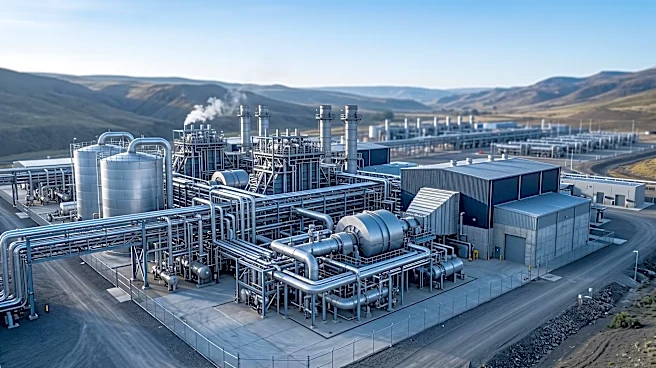
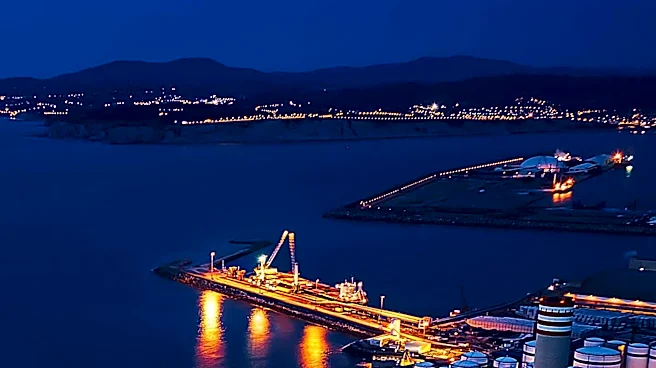
The Federal Energy Regulatory Commission (FERC) has given its approval to five significant natural gas infrastructure projects across the United States. Among these is a major expansion of the Sabine Pass LNG Terminal located in Louisiana. Additionally,
FERC authorized Cheniere Creole Trail Pipeline L.P. to proceed with the expansion of its Creole Trail Pipeline Project. Sabine Crossing Pipeline also received authorization to construct and operate a new interstate natural gas pipeline, which will specifically serve the expanded Sabine Pass terminal. These approvals are part of ongoing efforts to enhance natural gas transmission and storage capabilities. Furthermore, FERC is currently soliciting public comments until December 14 regarding Northwest Pipeline's Silver Spur Project, an 88-mile, 24-inch pipeline and compression initiative designed to increase natural gas supply to Idaho by 275 MMft3d.
Why It's Important?
The approval of these five major natural gas infrastructure projects by FERC holds significant implications for the U.S. energy sector and its economic stakeholders. The expansion of facilities like the Sabine Pass LNG Terminal is crucial for increasing the nation's capacity to export liquefied natural gas, which can bolster U.S. influence in global energy markets and provide economic benefits through increased trade. For domestic consumers and industries, enhanced pipeline and storage developments aim to improve the reliability and availability of natural gas, potentially stabilizing energy costs and supporting industrial growth that relies on natural gas as a fuel or feedstock. Companies involved in the construction and operation of these projects stand to gain through new contracts and long-term revenue streams. Conversely, environmental groups and local communities near these projects may raise concerns about potential ecological impacts and local disruptions, highlighting a persistent tension between energy development and environmental protection.
What's Next?
Following FERC's approvals, the authorized projects, including the Sabine Pass LNG Terminal expansion and associated pipelines, are expected to move forward with their development and construction phases. The public comment period for Northwest Pipeline's Silver Spur Project will conclude on December 14, after which FERC will review the feedback before making a final decision on that specific initiative. Future steps for all approved projects will involve securing any remaining state or local permits, detailed engineering, and commencement of construction. The successful completion of these projects will likely lead to increased natural gas supply and export capacity, impacting energy prices and trade balances. Stakeholders, including energy companies, environmental organizations, and affected communities, will continue to monitor the progress and potential impacts of these developments.
Beyond the Headlines
The consistent approval of major natural gas infrastructure projects by FERC underscores a broader strategic direction in U.S. energy policy, emphasizing natural gas as a critical component of both domestic energy security and international energy diplomacy. This trend highlights the ongoing debate between fossil fuel expansion and the transition to renewable energy sources. The economic benefits of these projects, such as job creation and export revenue, are often weighed against environmental concerns, including greenhouse gas emissions and habitat disruption. The regulatory process, particularly FERC's role, becomes a focal point for these competing interests, shaping the future energy landscape. The long-term implications include not only changes in energy supply and demand but also shifts in geopolitical influence as the U.S. solidifies its position as a major global energy exporter.