




What's Happening?
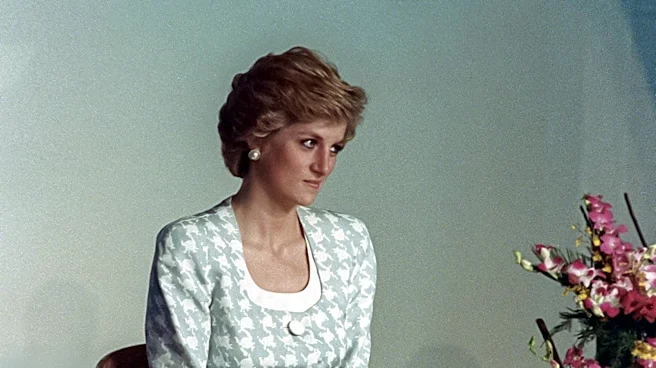
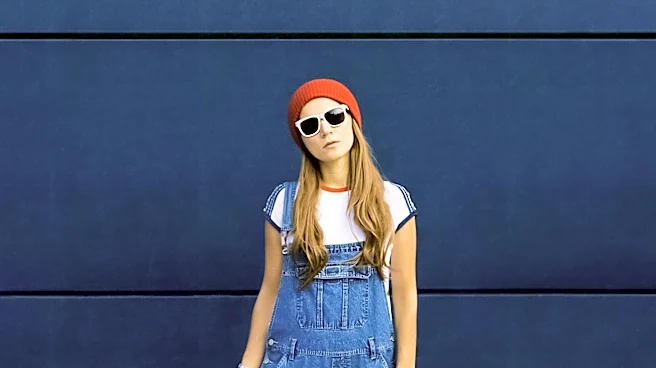
The fashion industry is witnessing a significant generational divide as modern trends leave older generations perplexed. Fashion cycles are moving rapidly, with younger generations embracing styles that older adults find baffling. Key trends include ultra-baggy
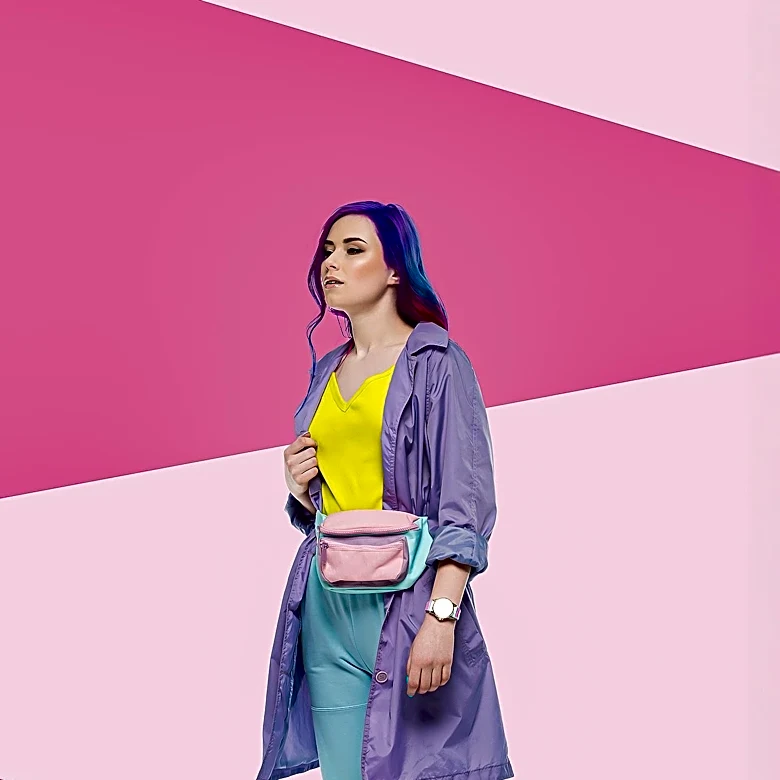
denim, low-rise jeans, and tiny butterfly tops, which have made a comeback from the early 2000s. These styles, along with deliberately clashing patterns and oversized sneakers, are popular among younger consumers but are met with confusion and disapproval by those over sixty. Older generations, who value structured and coordinated outfits, view these trends as impractical and lacking elegance. The resurgence of early millennium fashion, characterized by revealing outfits and bold makeup choices, further highlights the stark contrast in fashion preferences across age groups.
Why It's Important?
This generational divide in fashion reflects broader cultural and societal shifts. The younger generation's embrace of comfort and internet-driven aesthetics signifies a departure from traditional fashion norms. This shift impacts the fashion industry, influencing design, marketing, and retail strategies. Brands catering to younger consumers are capitalizing on nostalgia and the demand for unique, expressive styles. However, this trend also highlights a disconnect between generations, with older adults feeling alienated by the rapid changes. The fashion industry's focus on youth-oriented trends may lead to a lack of inclusivity for older consumers, affecting their engagement with fashion brands. Understanding these dynamics is crucial for businesses aiming to bridge the generational gap and cater to diverse consumer needs.
What's Next?
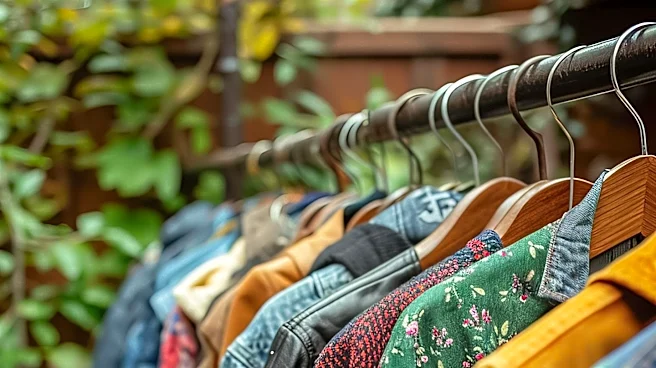
As fashion trends continue to evolve, brands may need to consider strategies to appeal to both younger and older consumers. This could involve creating collections that blend modern aesthetics with classic elements, offering a broader range of styles to accommodate diverse preferences. Additionally, the fashion industry might see an increase in secondhand and vintage markets, as younger consumers seek authentic pieces from past decades. This trend could drive growth in the resale market, encouraging brands to explore sustainable fashion practices. Engaging older consumers through targeted marketing and inclusive designs could also become a priority for fashion companies looking to expand their customer base.
Beyond the Headlines
The generational divide in fashion extends beyond clothing choices, reflecting deeper cultural and societal changes. The younger generation's preference for comfort and self-expression challenges traditional norms of formality and propriety. This shift may influence other industries, such as beauty and lifestyle, as consumers seek products that align with their values and aesthetics. The fashion industry's response to these changes could set precedents for how other sectors adapt to evolving consumer preferences. Additionally, the emphasis on nostalgia and retro styles highlights the cyclical nature of fashion, suggesting that trends from the past will continue to resurface in new forms.