




What's Happening?
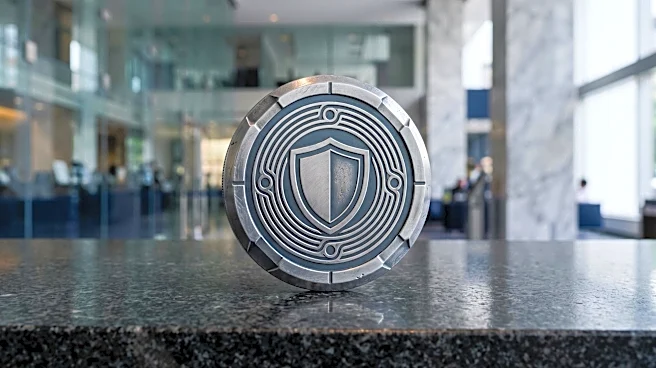
The American platform Solana Foundation has entered into a strategic agreement with Anchorpoint Financial Limited, a licensed issuer in Hong Kong, to launch the HKDAP stablecoin. This partnership marks Solana's first direct collaboration with a public
blockchain foundation for a stablecoin project. Anchorpoint Financial Limited is a consortium comprising Standard Chartered Bank (Hong Kong), telecom operator HKT, and Animoca Brands, which holds an FRS01 license from the Hong Kong Monetary Authority (HKMA). The HKDAP stablecoin is designed for retail payments and tokenized assets, providing a legal banking gateway for retail transactions and real-world asset (RWA) trading. This initiative aligns with Hong Kong's Stablecoins Ordinance, effective August 1, 2025, which mandates that fiat-referenced stablecoin issuers must possess an HKMA license, fully back tokens with high-quality liquid reserves, and ensure par redemption. The Hong Kong dollar, pegged to the US dollar, makes HKDAP another dollar-linked instrument operating under Hong Kong's jurisdiction, outside direct US regulation. Solana's existing infrastructure, with $14.13 billion in stablecoins and a monthly transfer volume of $370.94 billion, supports this expansion. The Solana Foundation is also establishing a local office in Hong Kong and participating in the government's OASES program, alongside rolling out the TAP tokenization program with PwC.
Why It's Important?
This collaboration is significant as it establishes a regulated pathway for digital finance in Hong Kong, contrasting with mainland China's strict cryptocurrency ban. For Solana, it represents a major expansion into the Asian market through a legally compliant framework, potentially increasing its global footprint and the utility of its blockchain for institutional finance. The HKDAP stablecoin, backed by a consortium including Standard Chartered, offers a legitimate settlement instrument, providing the international market with direct access to Hong Kong dollar liquidity via the Solana blockchain. This move could attract substantial capital by offering clear regulatory guidelines for private businesses in the digital asset space. It also highlights Hong Kong's role as a hub for regulated digital finance, potentially drawing more innovation and investment into its financial ecosystem. The integration of a major bank like Standard Chartered into blockchain-based stablecoin issuance signals a growing acceptance and adoption of digital currencies within traditional financial institutions, potentially paving the way for broader institutional engagement in the crypto market.
What's Next?
Following the launch of HKDAP, the next steps will likely involve the broader adoption and integration of the stablecoin into retail payment systems and real-world asset tokenization platforms within Hong Kong. The Solana Foundation's establishment of a local office and participation in government programs like OASES suggest a long-term commitment to the region, which could lead to further partnerships and digital finance initiatives. The success of HKDAP could serve as a model for other jurisdictions looking to create regulated stablecoin frameworks, potentially influencing global digital asset regulations. Additionally, the collaboration may encourage other financial institutions to explore similar ventures, accelerating the convergence of traditional finance and blockchain technology. The ongoing development of the TAP tokenization program with PwC indicates a future focus on expanding the range of tokenized assets available on the Solana blockchain through this regulated gateway.
Beyond the Headlines
This development underscores a broader trend of financial centers like Hong Kong creating regulated environments for digital assets, positioning themselves as leaders in the evolving digital economy. It highlights a strategic divergence in approach between Hong Kong and mainland China regarding cryptocurrency, with Hong Kong embracing a more open, regulated framework. The partnership also signifies a growing recognition of public blockchains like Solana as viable and secure infrastructure for institutional-grade financial products. Ethically, the move towards regulated stablecoins aims to provide greater consumer protection and financial stability compared to unregulated crypto assets. Legally, Hong Kong's Stablecoins Ordinance sets a precedent for how jurisdictions can integrate digital currencies into existing financial regulations, potentially influencing international standards. Culturally, it represents a shift in how traditional banking views and interacts with decentralized technologies, moving from skepticism to active participation and innovation.