



What's Happening?
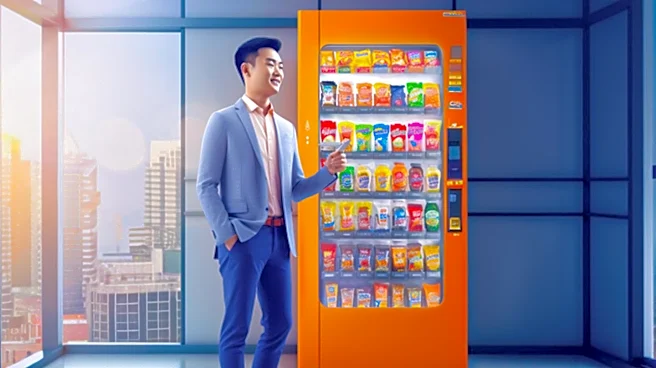
Smart vending machines are being increasingly adopted across diverse business locations in the U.S., including offices, universities, hospitals, hotels, and industrial facilities. These modern vending solutions go beyond simple product dispensing, integrating
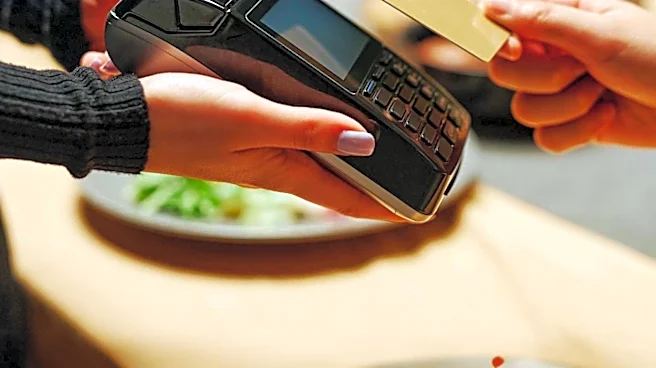
advanced technology such as cashless payment systems, remote monitoring, and inventory management. For instance, offices are utilizing smart snack and beverage machines for 24/7 employee access and convenience, while universities employ combo vending machines to offer a wider variety of products to students and staff. Hospitals are deploying food and beverage vending machines to provide continuous access to refreshments for healthcare workers, visitors, and patient families. Hotels are using smart vending to enhance guest amenities and provide self-service convenience. Industrial facilities benefit from high-capacity vending machines that support employees across multiple shifts with refreshments and workplace essentials. This shift is driven by the need for efficiency, improved customer experience, and scalable unattended retail solutions.
Why It's Important?
The widespread adoption of smart vending machines signifies a significant evolution in retail and service delivery across various U.S. industries. For businesses, these machines offer substantial operational benefits, including reduced staffing requirements, 24/7 availability, and enhanced customer satisfaction. The integration of remote monitoring and inventory management systems allows for optimized stock levels and proactive maintenance, minimizing downtime and maximizing profitability. This technology also addresses critical needs in sectors like healthcare, where continuous access to food and beverages can support staff and visitors during extended hours. In educational and corporate environments, smart vending provides convenient access to essentials, contributing to a better overall experience for students and employees. The move towards cashless payments and touch-free interactions also aligns with modern consumer preferences and hygiene standards, particularly relevant in post-pandemic operational adjustments. This trend is reshaping how businesses provide amenities and services, making them more efficient and responsive to demand.
What's Next?
The future trajectory for smart vending machines in the U.S. is expected to involve further technological integration and expansion into more specialized applications. Businesses will likely continue to invest in solutions that offer greater customization, real-time data analytics, and predictive maintenance capabilities. The development of more sophisticated AI-driven platforms could enable personalized product recommendations and dynamic pricing strategies. We may also see an increase in specialized vending machines for niche markets, such as those offering fresh, healthy meals or specific industrial supplies. As technology advances, these machines could become even more autonomous, potentially incorporating robotic elements for restocking and maintenance. The focus will remain on enhancing user experience, optimizing operational costs, and leveraging data to inform business decisions, leading to a more interconnected and efficient unattended retail landscape.
Beyond the Headlines
The proliferation of smart vending machines has deeper implications for the U.S. economy and society. Ethically, the increased automation could lead to discussions about job displacement in traditional retail and service roles, necessitating a focus on workforce retraining and new job creation in tech-related fields. Culturally, the shift towards self-service and automated transactions reflects a broader societal trend of valuing convenience and efficiency, potentially altering consumer expectations for immediate gratification. Legally, data privacy concerns surrounding cashless payments and user tracking will become more prominent, requiring robust regulations to protect consumer information. The environmental impact of these machines, particularly regarding energy consumption and waste management for packaging, will also be a critical consideration. Ultimately, smart vending machines are not just about dispensing products; they represent a microcosm of the broader digital transformation impacting labor, consumer behavior, and regulatory frameworks in the U.S.