






What's Happening?
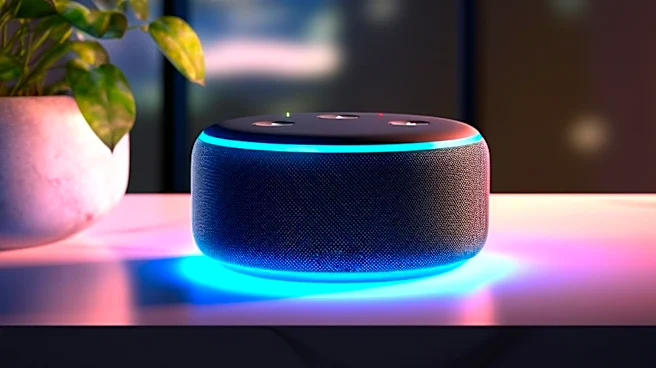
Amazon has launched a new AI-powered feature for its Alexa for Shopping assistant called 'Update Me When.' This feature allows consumers to receive personalized notifications when new or relevant events occur that could prompt a purchase. For example,
users can set alerts for when a favorite brand releases a new product line, a new season of a TV show drops, an artist announces a concert tour, an author releases a new book, or a tech company launches a new product. This initiative represents a shift in Amazon's AI strategy, moving from simply answering direct product questions to proactively anticipating potential purchasing interests before a shopper explicitly asks. The company also offers existing features like price tracking, which can alert users when a product reaches a specific price or discount, and even automatically purchase the item if desired. Other Alexa for Shopping functionalities include personalized deals, shopping guides, cart building from past purchases, product pricing history, AI overviews on product pages, transcribing handwritten lists, and item comparison.
Why It's Important?
This new Alexa feature signifies a significant advancement in how AI is integrated into the consumer shopping journey, potentially reshaping purchasing behaviors and retailer strategies. For consumers, it offers a more proactive and personalized shopping experience, reducing the effort required to stay informed about desired products or events. This could lead to increased convenience and satisfaction, but also raises questions about potential over-stimulation of purchasing desires. For Amazon, it represents a strategic move to deepen customer engagement and drive sales by anticipating needs and creating new touchpoints for commerce. The ability to generate alerts for diverse interests, from product launches to entertainment events, expands Alexa's utility beyond traditional retail, positioning it as a broader lifestyle assistant. This could further entrench Amazon's ecosystem in daily life, making it harder for competitors to capture consumer attention. The shift towards anticipatory AI could also set a new standard for personalized marketing, pushing other retailers to adopt similar proactive engagement models.
What's Next?
Initially, consumers will need to configure these 'Update Me When' alerts manually. However, the potential for Amazon to automatically generate or suggest alerts based on browsing history and preferences is a clear next step. This could lead to a more seamless and less intrusive form of personalized marketing, where the AI learns and adapts to individual tastes over time. Other retailers and tech companies are likely to observe Amazon's success with this feature and explore similar AI-driven proactive notification systems to remain competitive. The expansion of such features could also lead to new partnerships between Amazon and brands, artists, or content creators looking to leverage this direct line to interested consumers. As AI capabilities evolve, the sophistication of these alerts could increase, potentially incorporating more complex behavioral patterns and external data points to offer even more timely and relevant purchase prompts. The long-term impact will depend on consumer adoption and their comfort level with increasingly proactive AI assistants.
Beyond the Headlines
The introduction of 'Update Me When' by Amazon Alexa touches upon deeper implications regarding consumer autonomy, data privacy, and the evolving nature of desire in a digitally saturated world. By anticipating purchasing interests, AI moves beyond being a tool for convenience and becomes a subtle influencer of consumer behavior. This raises ethical questions about the line between helpful suggestions and persuasive marketing, and how much control consumers truly have over their purchasing decisions when constantly prompted by an intelligent assistant. The feature relies heavily on collecting and analyzing user data, which could lead to concerns about privacy and the extent of Amazon's knowledge about individual preferences. Culturally, it could further normalize a state of perpetual consumption, where the anticipation of new products or experiences becomes a constant background hum. This development also highlights the increasing power of AI to shape not just how we shop, but how we perceive and interact with the world around us, blurring the lines between information, entertainment, and commerce.