






What's Happening?
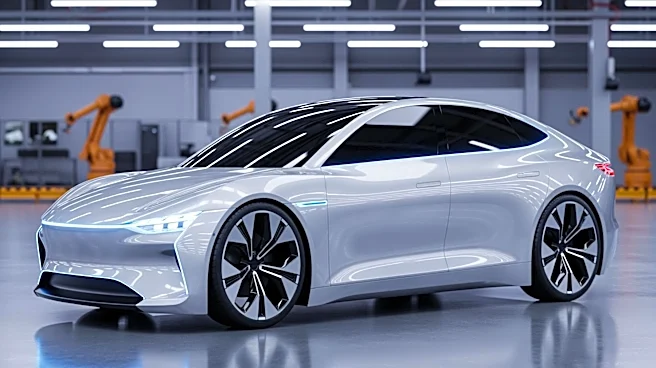
BMW Group has reached a significant milestone by producing its 2 millionth fully electric vehicle. The landmark vehicle, a BMW i5 M60 xDrive sedan, was assembled at the Dingolfing plant and delivered to a customer in Spain. This achievement underscores
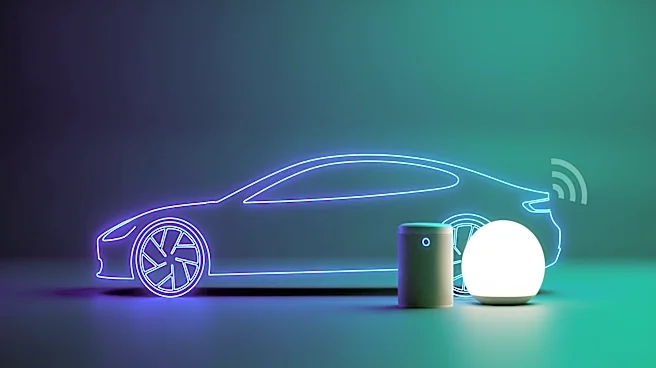
BMW's commitment to electrification, with the Dingolfing factory producing over 320,000 electric vehicles since 2021. In addition to this milestone, BMW is enhancing its focus on integrating electric vehicles with smart home technology. The company is collaborating with SOLARWATT to optimize energy management systems, allowing electric vehicles to function as part of a home's energy ecosystem through bidirectional charging and energy storage solutions.
Why It's Important?
BMW's milestone reflects the growing consumer demand for electric vehicles and the company's strategic shift towards sustainable mobility solutions. The integration of electric vehicles with smart home technology represents a significant advancement in energy management, offering consumers the ability to optimize energy use and reduce costs. This development is part of a broader trend towards creating interconnected ecosystems that enhance the efficiency and sustainability of both transportation and residential energy consumption. As more consumers adopt electric vehicles, the demand for integrated energy solutions is likely to increase, driving innovation and competition in the automotive and energy sectors.
What's Next?
BMW plans to launch the integration of bidirectional charging technology in Germany, Austria, and the Netherlands by late 2026. This initiative will enable BMW iX3 and i3 customers to utilize their vehicles as part of their home energy systems, potentially leading to wider adoption of similar technologies across Europe and beyond. The success of this integration could influence other automakers to pursue similar partnerships and innovations, further advancing the transition to sustainable energy solutions. As the market for electric vehicles continues to grow, the development of smart home integration technologies will likely play a crucial role in shaping the future of mobility and energy management.