






What's Happening?
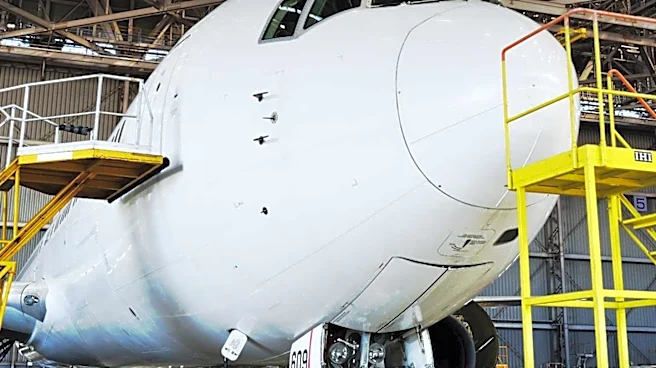
Kalitta Air is actively recruiting a Lead Avionics Technician for a second-shift weekend position in Oscoda, Michigan. This full-time, on-site role requires a minimum of two years of experience in heavy aircraft avionics systems. The successful candidate
will report to the Avionics Manager and Supervisors, and their primary responsibilities will include assigning daily job tasks, leading and overseeing the work performance of subordinate crewmembers, and coordinating with supervisors for scheduling. The role also involves ensuring satisfactory productivity and work quality, documenting maintenance discrepancies, and assisting with troubleshooting. Furthermore, the Lead Avionics Technician will help subordinate crewmembers interpret maintenance manuals and ensure all maintenance adheres to approved data. The position requires the ability to read, write, and understand English, as well as the capacity to give verbal and written directions to staff. While a valid FAA Airframe & Powerplant license is preferred, a minimum of an Airframe license or repairman certificate is required. The work environment is described as a construction and maintenance setting with a typically loud noise level.
Why It's Important?
This job opening highlights the ongoing demand for skilled aviation maintenance professionals within the U.S. air cargo industry. Kalitta Air, a significant player in air freight, relies heavily on a well-maintained fleet to ensure timely and efficient cargo operations, which are crucial for supply chains and economic activity. The requirement for experienced avionics technicians underscores the complexity and specialized nature of aircraft maintenance, directly impacting flight safety and operational reliability. The emphasis on leadership and oversight in this role suggests a commitment to quality control and training within the company, which is vital for maintaining high standards in a regulated industry. The location in Oscoda, Michigan, also points to regional employment opportunities and the concentration of aviation-related businesses in certain areas, contributing to local economies. The need for specific FAA certifications reflects the stringent regulatory framework governing aviation maintenance, ensuring that only qualified personnel work on aircraft systems.
What's Next?
Kalitta Air will proceed with its recruitment process to fill the Lead Avionics Technician position. Interested and qualified candidates will likely submit applications, undergo interviews, and demonstrate their technical expertise and leadership capabilities. The company will evaluate applicants based on their experience, certifications, and ability to perform the essential duties outlined. Once a suitable candidate is selected, they will be integrated into Kalitta Air's avionics department, taking on responsibilities for guiding and overseeing other technicians. This hiring is part of Kalitta Air's continuous effort to maintain its operational capacity and ensure the airworthiness of its fleet. The successful placement of this role will contribute to the smooth functioning of the airline's maintenance operations, supporting its cargo flight schedules and overall business objectives. The ongoing demand for such specialized roles suggests a stable outlook for aviation maintenance careers in the U.S.
Beyond the Headlines
The demand for specialized roles like Lead Avionics Technician reflects broader trends in the aviation industry, particularly the increasing complexity of modern aircraft systems and the critical need for highly skilled personnel to maintain them. The emphasis on leadership in this role also points to the importance of mentorship and knowledge transfer within technical fields, ensuring that expertise is passed down and that maintenance teams operate cohesively and efficiently. The physical demands and work environment described in the job posting highlight the challenging nature of aviation maintenance, requiring not only technical acumen but also physical resilience and adaptability to demanding conditions. Furthermore, the preference for an FAA Airframe & Powerplant license underscores the significant investment individuals make in their professional development to meet industry standards. This continuous need for skilled labor in aviation maintenance is a testament to the industry's growth and its foundational role in global logistics and commerce, making such positions vital for national infrastructure and economic stability.