




What's Happening?
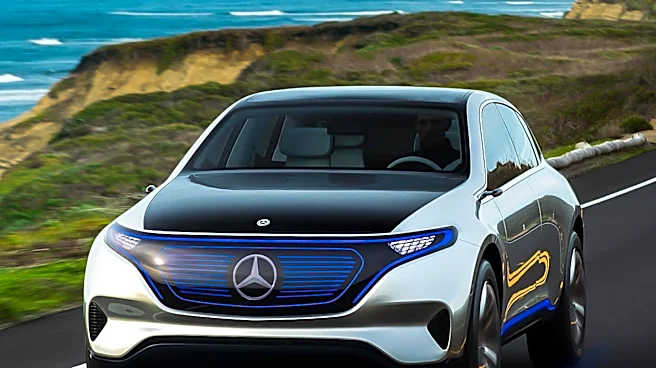
Mercedes-Benz is targeting 2030 to equip its product line with cobalt-free batteries for electric vehicles (EVs). Cobalt, a critical component in typical lithium-ion battery packs, helps prevent cathode corrosion, increases efficiency and range, and enhances
stability, reducing fire risk. However, 70% to 74% of the world's cobalt originates from the Democratic Republic of the Congo (DRC), where its extraction is linked to severe working conditions, low wages, and child labor. Organizations like Save the Children have highlighted instances of children working in these mines. The automotive industry is actively seeking alternatives, with lithium-iron phosphate (LFP) and lithium manganese-rich (LMR) chemistries emerging as leading solutions. General Motors, for example, is investing $1 billion with LG in their Ultium Cells joint venture to build LMR cells in Spring Hill, Tennessee, aiming for virtually no cobalt.
Why It's Important?
The automotive industry's push to eliminate cobalt from EV batteries has significant implications for the U.S. market and global supply chains. Ethically sourced materials are becoming a critical factor for consumers and regulatory bodies, influencing brand reputation and market access. For U.S. automakers like General Motors, investing in domestic production of cobalt-free batteries, such as LMR cells, reduces reliance on potentially problematic foreign supply chains and mitigates geopolitical risks. This shift can also lead to cost reductions, as cobalt is an expensive component, making EVs more affordable and accessible to a broader U.S. consumer base. Furthermore, the development of new battery chemistries like LFP and LMR can enhance battery performance, safety, and longevity, directly impacting the competitiveness of U.S.-made EVs and the overall adoption of electric transportation.
What's Next?
Mercedes-Benz's aspirational goal of achieving cobalt-free batteries by 2030 will drive continued research and development into alternative chemistries, such as lithium nickel manganese oxide (LNMO), which promises improved energy density, lower production costs, and increased driving range. Other automakers and battery suppliers are expected to follow suit, accelerating the transition away from cobalt. This will likely lead to increased investment in domestic battery manufacturing facilities in the U.S., similar to GM's Ultium Cells venture, to secure supply chains and reduce dependence on imports. The ethical sourcing of raw materials will remain a key focus, potentially leading to stricter regulations and greater transparency requirements across the battery supply chain. The market will also see further innovation in solid-state battery technology, with efforts to integrate cobalt-free chemistries into these advanced battery designs.
Beyond the Headlines
The drive to eliminate cobalt from EV batteries represents a profound shift in the automotive and energy sectors, extending beyond mere technological innovation. It highlights a growing global consciousness regarding the ethical implications of resource extraction and the environmental footprint of industrial processes. This movement could fundamentally alter the geopolitical landscape of mineral sourcing, reducing the leverage of countries heavily reliant on cobalt exports and fostering new economic opportunities in regions capable of producing alternative materials. Moreover, the emphasis on sustainable and ethical supply chains could set new precedents for corporate responsibility across various industries, influencing consumer behavior and investment decisions. The long-term impact includes a more diversified and resilient battery supply chain, potentially leading to a more equitable distribution of economic benefits and a reduction in human rights abuses associated with raw material extraction.