

What's Happening?
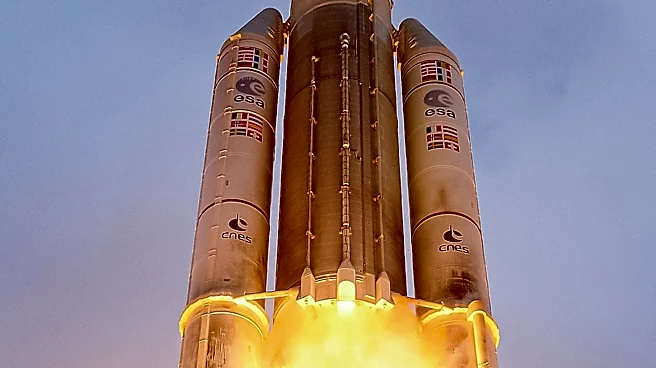
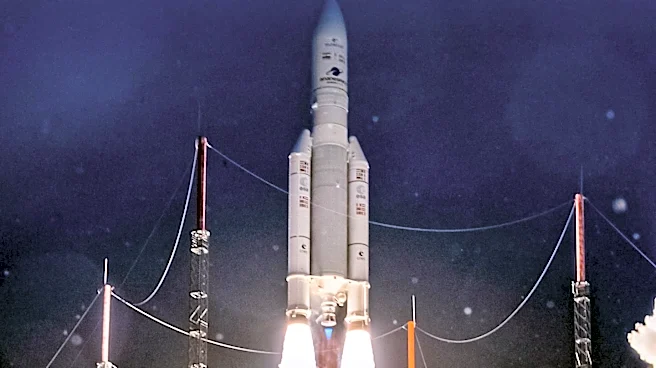
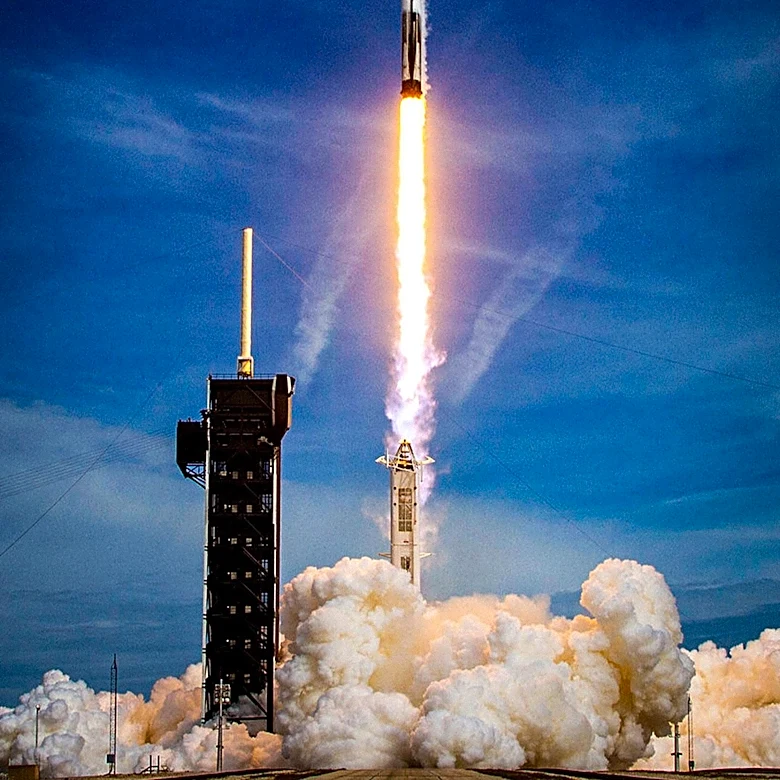
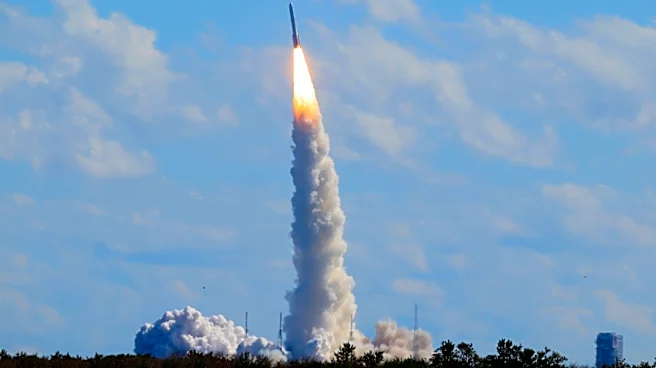
Europe's Ariane 64 rocket successfully launched 36 satellites for Amazon Leo, Amazon's satellite internet network, from the Guiana Space Centre in Kourou, French Guiana, on November 24, 2026. The mission lasted 2 hours and 4 minutes, culminating in the deployment
of all satellites into orbit. Initially, the satellites were deployed into an orbit approximately 465 km above Earth, with control subsequently transferred to Amazon's mission control center in Redmond, Washington. Amazon engineers will gradually raise these satellites to their operational altitude of 630 km. This launch marks the fourth Ariane 6 mission for Amazon Leo in 2026, bringing the total number of satellites launched by Arianespace for Amazon to 136 within ten months. The Ariane 64, the most powerful configuration of the Ariane 6, utilized upgraded P160C solid rocket boosters, increasing its payload capacity to low Earth orbit by approximately 10% to 22 tonnes. This upgrade allowed for the launch of 36 satellites, an increase from the 32 satellites carried in previous missions.
Why It's Important?
This successful launch significantly advances Amazon's Project Kuiper, now known as Amazon Leo, in its competition with other satellite internet providers like Starlink. The continuous deployment of satellites is crucial for Amazon to build out its global high-speed internet network, aiming to provide connectivity to underserved areas. For the U.S., this initiative represents a substantial investment in space infrastructure and technology, fostering innovation and potentially creating numerous jobs in the aerospace and telecommunications sectors. The increased payload capacity of the Ariane 64 also highlights advancements in launch technology, which can benefit future U.S. and international space missions. The expansion of Amazon Leo contributes to a more robust and diverse global internet infrastructure, offering alternative connectivity options that could enhance digital inclusion and economic development across various regions, including the U.S.
What's Next?
Following this launch, the Amazon Leo constellation now comprises over 430 satellites. Amazon plans to continue its aggressive deployment schedule, with more than 100 space launches contracted with multiple providers to complete its constellation. The company expanded its agreement with Arianespace in September, adding six more launches to bring the total to 24. Engineers will focus on establishing full communication with the newly launched satellites and conducting system checks before gradually raising them to their operational orbits. The full-scale deployment, which began in April 2025, is a multi-year effort. Amazon will also continue to develop its ground infrastructure and user terminals to support the growing satellite network. The company's strategy involves a diversified launch approach to mitigate risks, especially after a recent accident involving a ULA Vulcan rocket resulted in the loss of 40 Amazon satellites.
Beyond the Headlines
The rapid deployment of mega-constellations like Amazon Leo raises important discussions about the long-term sustainability of space. The increasing number of satellites in Low Earth Orbit intensifies concerns about space debris, potential collisions, and the impact on astronomical observations. These issues require international cooperation and the development of new regulatory frameworks to ensure responsible space utilization. Furthermore, the competition between major players like Amazon and SpaceX is driving rapid technological advancements in satellite design, launch capabilities, and ground segment technologies. This competitive environment could lead to more affordable and accessible internet services globally, but it also necessitates careful consideration of market dominance and equitable access. The success of Amazon Leo could also influence national security strategies, as reliable and resilient satellite communication becomes increasingly vital for both civilian and military applications.