






What's Happening?
AT&T CEO John Stankey has identified a critical shortage of approximately 200,000 construction and technician workers needed in the telecommunications industry by 2032. This demand is primarily driven by the rapid expansion of AI infrastructure, particularly
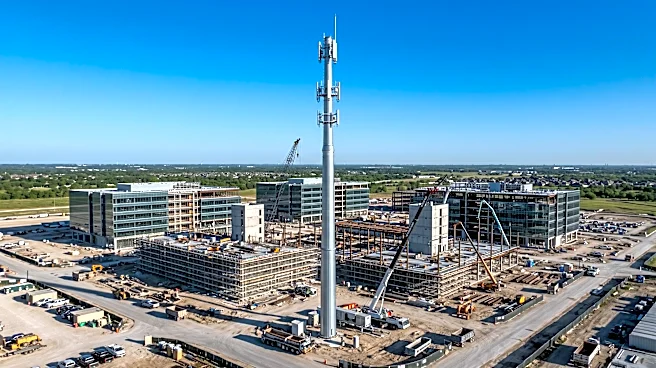
the construction of new data centers, which requires extensive connectivity. Stankey, speaking on the 'This Old House Radio Hour' podcast, emphasized that these data centers are foundational to AI's growth and require a robust workforce to build and connect them. The industry also faces strain from the ongoing expansion of broadband infrastructure to homes and businesses, as well as the need to replace retiring workers. This creates a significant opportunity for younger generations, particularly Gen Z, to enter the workforce without necessarily pursuing a four-year college degree. Many entry-level roles, such as fiber technicians and telecommunications installers, offer paid on-the-job training and do not require a bachelor's degree, with potential earnings approaching six figures including overtime and bonuses.
Why It's Important?
This shortage of skilled telecommunications workers poses a significant challenge to the continued growth of the U.S. economy, particularly in the burgeoning AI sector. The estimated $800 billion investment in data center development in 2026 alone underscores the economic impact of this infrastructure. A lack of qualified personnel could slow down the deployment of AI technologies and broadband expansion, affecting various industries and consumers. The situation also highlights a broader societal issue regarding the value placed on vocational skills versus traditional four-year degrees. Stankey's call to destigmatize careers that don't require a college degree could shift educational and career pathways, offering viable, well-paying alternatives for young people. This could help address the skilled labor gap not only in telecom but also in related trades like electricians and plumbers, which are also in high demand due to the data center boom.
What's Next?
To address the looming workforce deficit, AT&T and other major companies like Meta, Google, and Ford have formed the Alliance for America’s Skilled Trades. This coalition aims to tackle the U.S. skilled labor shortage, which is projected to require 1.7 million new skilled trades openings annually through 2035, with current training programs only meeting about half that need. The immediate next steps involve increasing awareness about these career opportunities, promoting vocational training, and actively recruiting individuals who may not pursue traditional higher education. Companies like AT&T are already offering incentives such as sign-on bonuses and comprehensive training programs, including commercial driver's license certification for line technicians. The industry will likely continue to advocate for a societal shift in perception, encouraging respect for hands-on, physical labor as equally valuable as white-collar work.
Beyond the Headlines
The discussion around the telecom worker shortage extends beyond immediate economic needs, touching upon deeper societal and educational implications. The emphasis on skills and potential over traditional degrees challenges the long-held belief that a four-year college education is the sole path to success. This shift could lead to a re-evaluation of educational priorities, potentially boosting enrollment in vocational schools and apprenticeship programs. Furthermore, it highlights the evolving nature of work in an AI-driven economy, where the demand for physical infrastructure and maintenance remains critical, even as automation advances. Ethically, it raises questions about equitable access to these opportunities and ensuring that diverse populations are aware of and prepared for these roles. The long-term impact could be a more diversified workforce, better aligned with the practical demands of technological advancement, and a rebalancing of societal value placed on different types of labor.