


What's Happening?
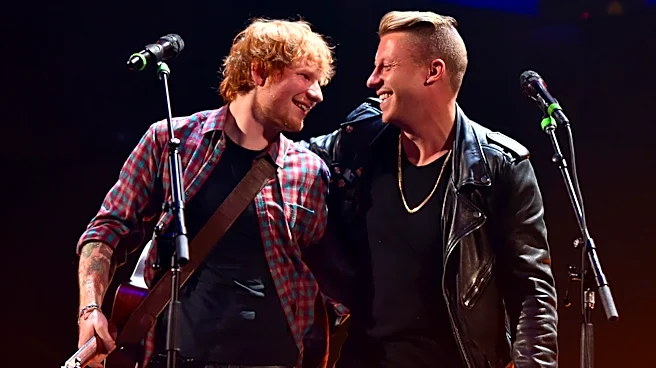
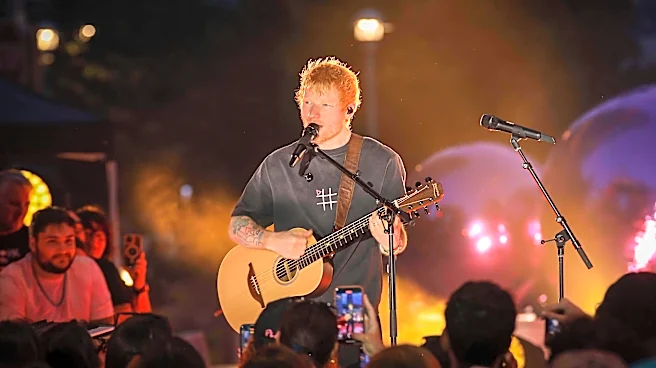
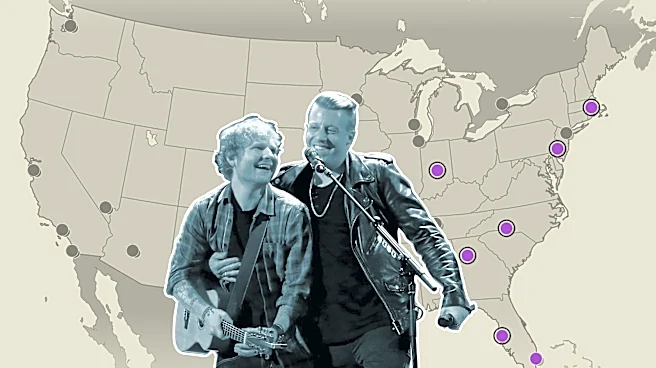
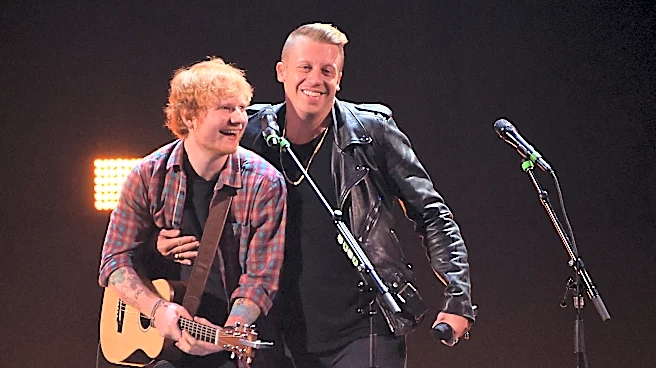
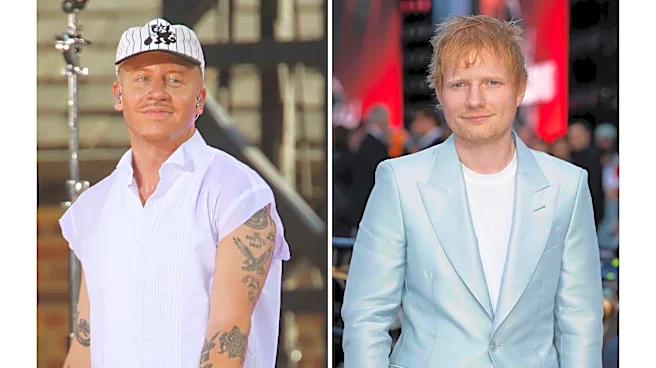
Rapper Macklemore was removed from Ed Sheeran's 'Loop' tour following pro-Palestinian remarks made during a September 5 performance at MetLife Stadium, where he said 'Free Palestine' and performed his song 'Hind's Hall.' This decision, which Sheeran attributed
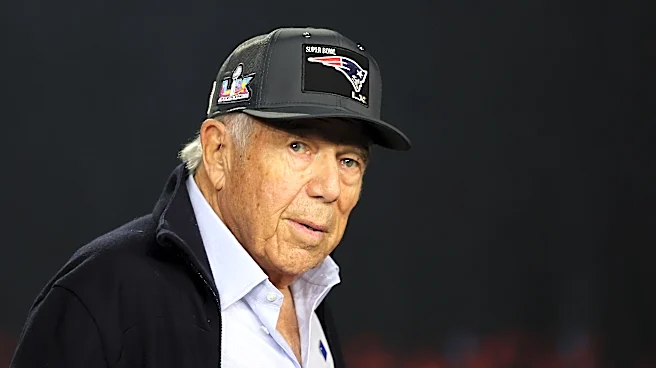
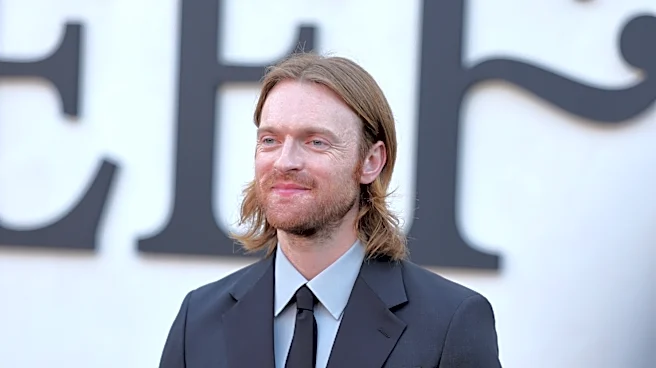
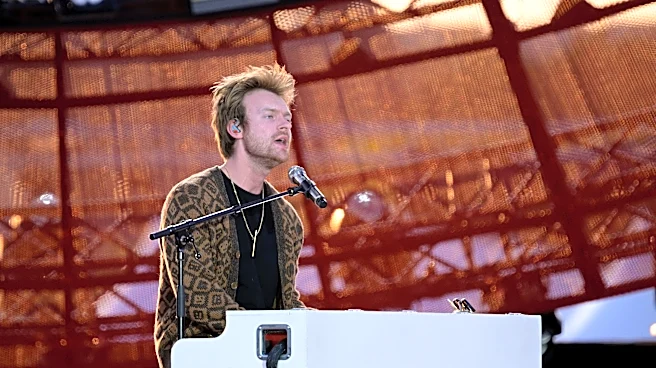
to tour promoters and venues, has led to four of Sheeran's supporting acts—Irish singer Aaron Rowe, Irish folk group Beoga, Danish band Lukas Graham, and Finneas (Billie Eilish’s brother)—withdrawing from the tour in solidarity with Macklemore. Billionaire Robert Kraft, owner of Gillette Stadium, defended the decision to prevent Macklemore from performing, citing his comments as 'deeply offensive and hurtful to the Jewish community.' Macklemore has rejected the suggestion that his criticism of Israel is antisemitic. Sheeran stated he prefers not to make his concerts political forums, while the departing artists emphasized the importance of speaking up for oppressed people and against what they view as political censorship.
Why It's Important?
This incident highlights a growing tension within the entertainment industry regarding artists' freedom of speech on politically sensitive topics, particularly the Israeli-Palestinian conflict. The withdrawal of multiple artists from a major tour in protest of Macklemore's removal signals a significant stance against perceived censorship and corporate influence over artistic expression. It also brings to the forefront the debate over the role of public figures in political discourse and the potential professional repercussions for taking a stance. The involvement of figures like Robert Kraft, a prominent business owner, underscores the intersection of business interests, political views, and artistic platforms, raising questions about who controls the narrative in public spaces and the extent to which financial power can influence artistic freedom. This event could set a precedent for how artists and venues navigate political statements in the future.
What's Next?
The 'Loop' tour will continue without its originally scheduled supporting acts, potentially impacting audience reception and the tour's overall dynamic. The controversy is likely to fuel further discussions and actions within the music industry regarding artistic freedom and political expression. There may be continued calls for boycotts of Ed Sheeran's music, as initiated by groups like the Palestinian Campaign for the Academic and Cultural Boycott of Israel. Other artists and public figures may be prompted to either take a more definitive stance on the issue or carefully consider the implications of their public statements. The incident could also lead to increased scrutiny of venue owners and promoters regarding their policies on political speech during performances, potentially influencing future contractual agreements and artist engagements.
Beyond the Headlines
This event transcends a simple tour dispute, touching upon broader societal issues of censorship, corporate power, and the weaponization of accusations like antisemitism to silence dissent. The artists' withdrawals, particularly those from Ireland, draw parallels to historical struggles against oppression, framing the current situation within a larger context of human rights and justice. The debate over whether criticism of Israel equates to antisemitism is a complex and deeply divisive issue, and this incident brings it into mainstream cultural discourse. It also highlights the evolving role of social media in amplifying these debates and mobilizing public opinion, as seen with the resurfacing of Sheeran's past support for Ukraine. The incident could serve as a 'turning point' in how pop culture engages with the Israeli-Palestinian conflict, potentially fostering a more robust and open dialogue among artists and their audiences.