








What's Happening?
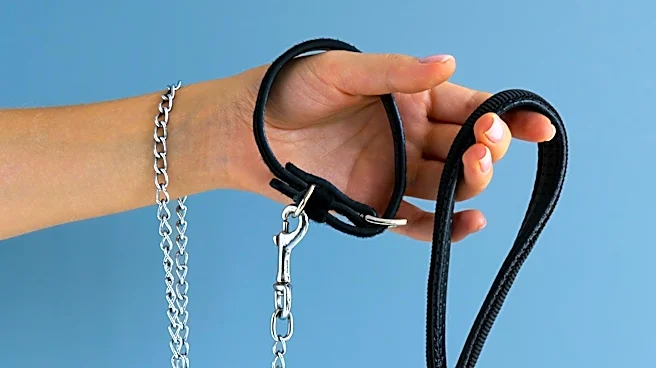
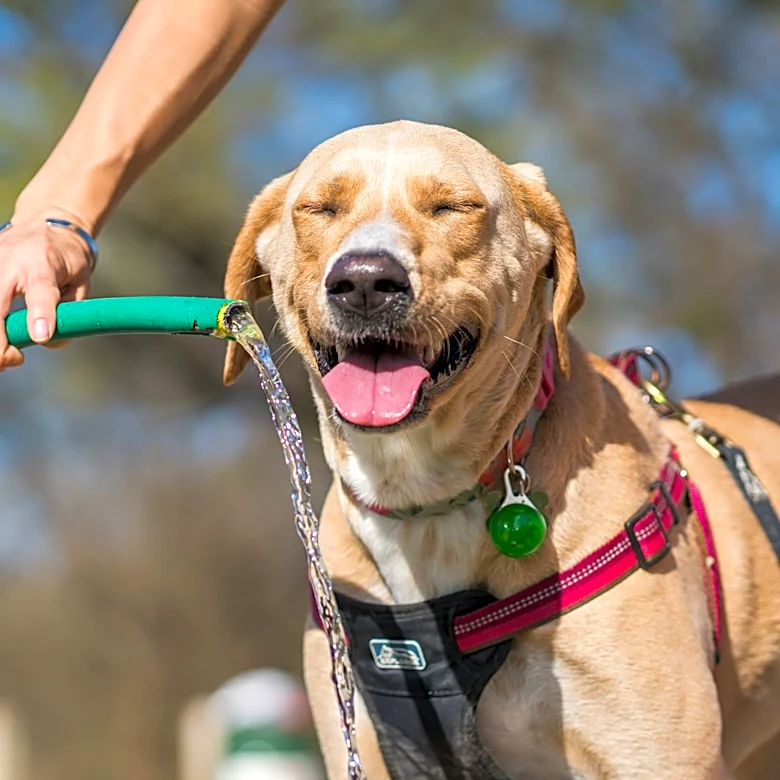
Fi, a company specializing in dog tracking technology, has introduced the world's first satellite-connected dog collar. This innovation, developed by Fi's founder and CEO Jonathan Bensamoun, aims to address the limitations of traditional GPS dog trackers
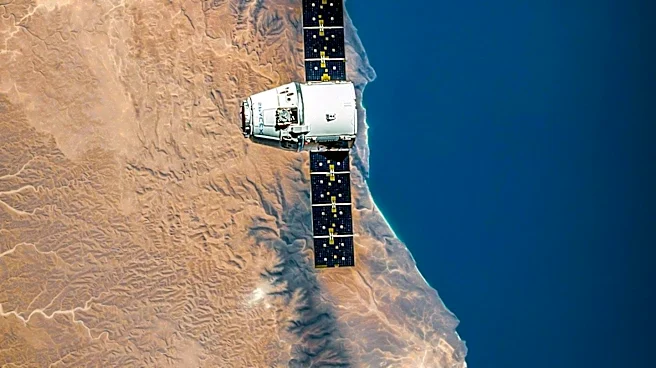
that rely on cellular networks. The new device utilizes SpaceX's Starlink satellites to provide connectivity in areas lacking mobile coverage. The collar combines a GPS receiver and a modem that connects to T-Mobile's network, allowing pet owners to track their dogs even in remote locations. The device also features a geo-fencing capability, alerting owners when their pet leaves a designated area. The battery life of the collar lasts several days, providing ample time for owners to locate their pets.
Why It's Important?
The introduction of a satellite-connected dog collar represents a significant advancement in pet safety technology. Traditional GPS collars often fail in areas with poor cellular coverage, leaving pet owners helpless in locating their lost animals. By leveraging satellite technology, Fi's new collar ensures continuous tracking capabilities, offering peace of mind to pet owners, especially those living in rural or remote areas. This development could potentially reduce the number of lost pets and the associated emotional distress for owners. Additionally, it highlights the growing integration of satellite technology in consumer products, paving the way for further innovations in various sectors.
What's Next?
As the satellite-connected dog collar enters the market, it is likely to attract attention from pet owners seeking reliable tracking solutions. Fi may expand its product line to include additional features or collaborate with other technology providers to enhance the collar's capabilities. The success of this product could inspire other companies to explore satellite connectivity for various consumer applications. Furthermore, the adoption of such technology may prompt discussions on data privacy and the ethical implications of constant tracking, potentially leading to new regulations in the pet technology industry.