



What's Happening?
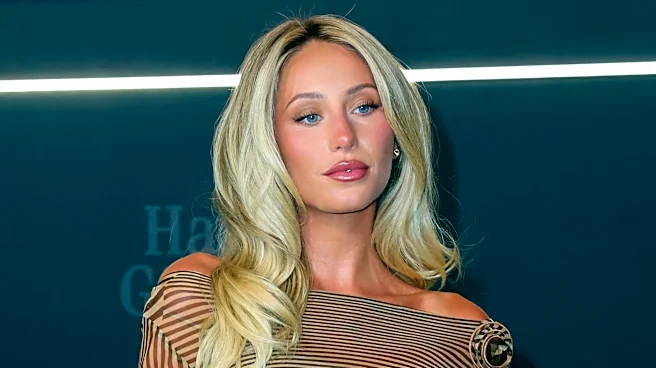
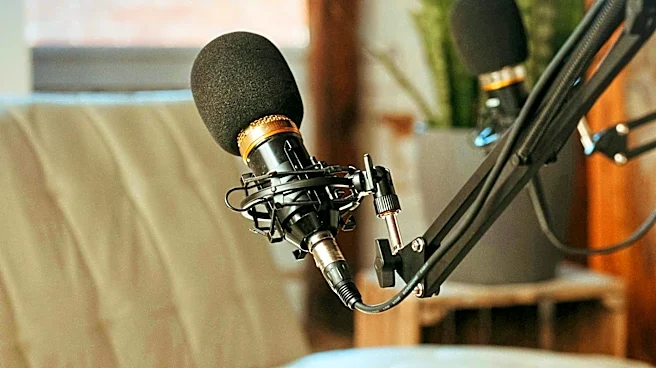
Alix Earle has publicly addressed her feud with Alex Cooper, host of the 'Call Her Daddy' podcast, in the season finale of her Netflix reality show, 'Earle Meets World.' Earle claims Cooper betrayed her during a 2023 podcast interview by asking uncomfortable
and sexually explicit questions after encouraging her to drink. Earle stated she requested these comments be edited out, but Cooper allegedly refused, finding them 'funny.' Furthermore, Earle revealed a drafted text message to Cooper, accusing her of being manipulative, toxic, and prioritizing money over morals. She expressed feeling taken advantage of at a young age in a new industry and described Cooper's approach to business as 'disgusting.' Earle also stated she was 'scared' of Cooper and felt intimidated, which contributed to her silence on the matter until now. Her father and manager, TJ Earle, supported her claims, stating that Earle's podcast, 'Hot Mess,' under Cooper's Unwell Network, lacked proper resources and support, unlike other shows.
Why It's Important?
This public dispute between two prominent social media influencers highlights the complex and often fraught dynamics within the digital content creation industry. It underscores issues of professional ethics, power imbalances, and the potential for exploitation, particularly for younger creators entering the field. The allegations of manipulation and prioritizing profit over the well-being of collaborators could impact how emerging talent views partnerships with established media networks and personalities. For the influencer economy, this incident raises questions about contractual agreements, editorial control, and the responsibility of hosts and networks towards their guests. It also brings to light the pressures faced by influencers to maintain a public persona while navigating personal and professional challenges, often under intense scrutiny. The narrative of betrayal could lead to increased skepticism among creators regarding the promises made by larger platforms and figures, potentially fostering a demand for more transparent and equitable business practices in the industry.
What's Next?
Following Alix Earle's public accusations, the immediate next step will likely involve reactions from Alex Cooper and her Unwell Network. While Cooper's representatives have declined comment so far, the gravity of the allegations, particularly those concerning manipulation and unethical business practices, may necessitate a public response. The controversy could lead to further scrutiny of the Unwell Network's operational practices and its treatment of talent. Other influencers and industry commentators may weigh in, potentially sparking broader discussions about accountability and ethical standards in podcasting and digital media. Earle's decision to reveal these details on her Netflix show suggests a strategic move to control her narrative, and it remains to be seen if this will lead to legal actions or a public reconciliation attempt. The ongoing public discourse will likely influence future collaborations and contractual negotiations within the influencer ecosystem, with creators potentially seeking more protective clauses and clearer terms in their agreements.
Beyond the Headlines
The feud between Alix Earle and Alex Cooper delves deeper than a mere personal disagreement, touching upon significant ethical and cultural dimensions within the influencer industry. Earle's claims of being encouraged to drink and then asked sexually explicit questions, followed by a refusal to edit them, raise serious concerns about consent, exploitation, and the blurred lines between entertainment and personal privacy in digital media. This incident could trigger a broader conversation about the duty of care that established media personalities and networks owe to their guests, especially those who are younger or less experienced. The narrative also highlights the immense pressure on influencers to generate engaging content, sometimes at the expense of their personal comfort or long-term reputation. Furthermore, the public nature of this dispute, unfolding across reality TV and social media, exemplifies how personal conflicts are increasingly becoming public spectacles, shaping public perception and potentially influencing career trajectories in the digital age. It underscores the need for greater transparency and ethical guidelines in an industry that often operates without traditional media oversight.