
What's Happening?
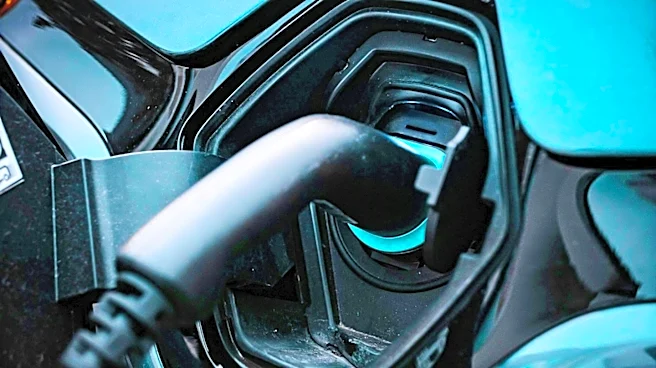
A technical assistance project within the APEC framework aims to enhance the competitiveness of local Micro, Small, and Medium Enterprises (SMEs) in the global electromobility value chains. The project will
initially identify and characterize SMEs participating in the electromobility sector across APEC economies, focusing on those with potential for integration into international markets. It will then diagnose existing capacity and investment gaps within these SMEs and the broader sector. Based on this assessment, the project will design recommendations to close these gaps through fiscal, financial, and regulatory incentives for investment, as well as specific training programs to strengthen competencies in electromobility. The initiative also seeks to foster an R&D&I ecosystem to support the sector's development. This effort is driven by the increasing demand for transport and the significant benefits electromobility offers, such as reduced fuel costs and positive environmental impacts. The project aims to attract foreign direct investment and build local capacity, creating quality jobs and promoting innovation.
Why It's Important?
The transition to electromobility presents substantial economic opportunities for APEC economies, particularly for SMEs. Electric vehicles can lead to significant savings in fuel costs and contribute to reducing noise pollution. Furthermore, electromobility opens up opportunities in subsectors like domestic production of copper and lithium. By strengthening the integration of SMEs into global value chains, the project aims to boost regional growth and create quality jobs. SMEs are crucial to the APEC region's economy, and their enhanced participation in this growing sector can lead to increased innovation and a positive impact both regionally and globally. The project's focus on capacity building and investment promotion will help developing economies leverage their competitive advantages in electromobility, aligning with APEC's broader goals of sustainable and articulated automotive industries.
What's Next?
The project will produce a recommendation paper that outlines strategies for strengthening SMEs in the electromobility sector. This paper will provide actionable insights for public and private institutions in Peru and other APEC economies to enhance their commercial and productive skills. The initiative is expected to reinforce electromobility plans and strategies across APEC economies through the value chain and integration potential mapping report. The project also aims to foster an R&D&I ecosystem, suggesting future collaborations and investments in research and development within the electromobility sector. The long-term goal is to increase the participation of member economies in global value chains, diversify them, improve their resilience, and boost inclusiveness, with ongoing efforts to promote investment and technical cooperation.
Beyond the Headlines
This project delves into the broader implications of electromobility beyond just vehicle production, touching upon resource management and environmental sustainability. By focusing on the domestic production of materials like copper and lithium, it highlights the potential for resource-rich APEC economies to develop new industries and value chains. The emphasis on reducing noise pollution and environmental impact underscores a shift towards more sustainable urban planning and public health considerations. Furthermore, the project's aim to create quality jobs and promote innovation in developing economies addresses socio-economic disparities and fosters inclusive growth. This initiative could also influence future trade policies and agreements, as APEC prioritizes the articulation of global value chains and the integration of SMEs into these networks, potentially leading to new standards and regulations for the electromobility sector.