



What's Happening?
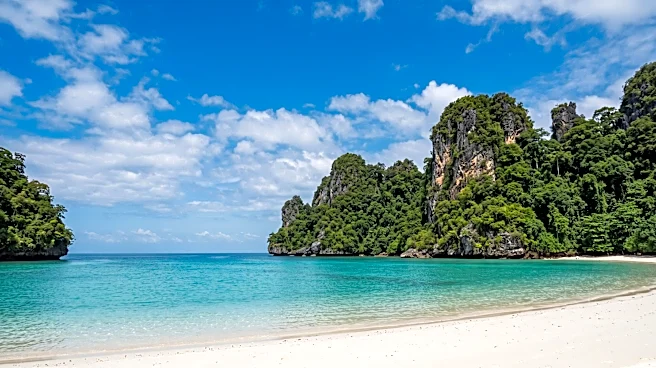
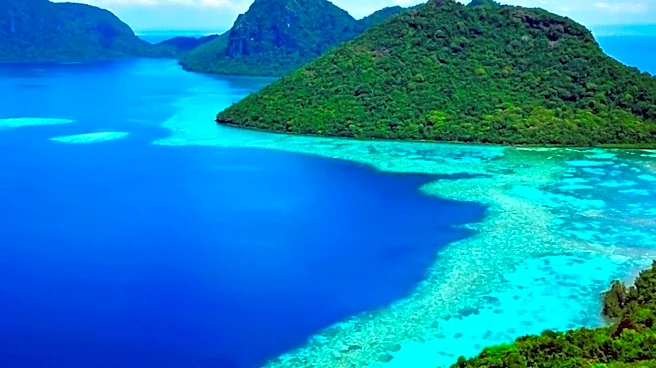
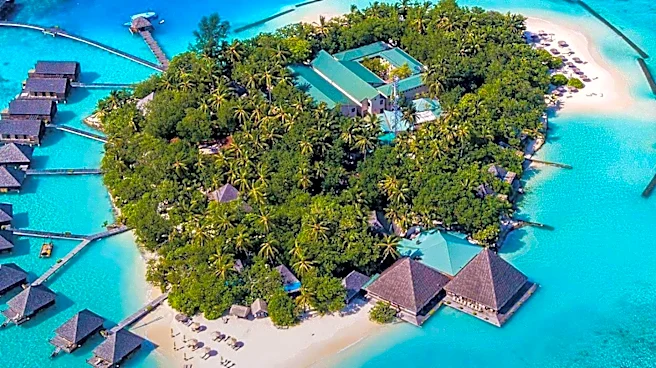
Langkawi is a prominent cluster of 104 islands situated in Malaysia, specifically within the Andaman Sea. Renowned for its pristine beaches, dense rainforests, and clear waters, the archipelago is geographically separated from mainland Malaysia by the Straits
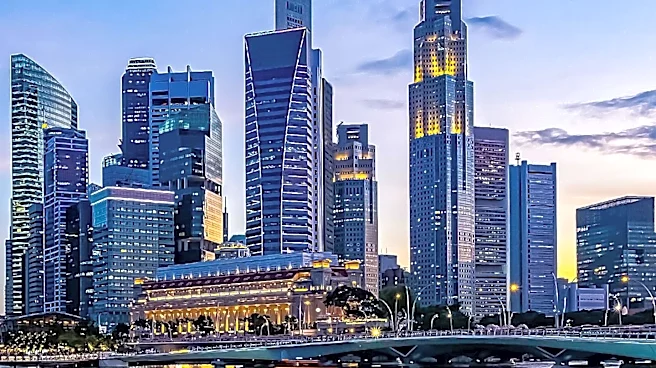
of Malacca. Accessibility to Langkawi is facilitated through both air travel and ferry services, with ferries operating from various locations including Kuala Perlis, Kuala Kedah, Penang, Satun, and Ko Lipe, Thailand. The island boasts a diverse range of attractions such as Buffalo Park, CHOGM Park, Field of Burnt Rice, Galeria Perdana, Gunung Raya, Mahsuri's Tomb, and the Oriental Village cable car ride. Accommodation options cater to a wide spectrum of preferences, from luxury establishments like The Ritz-Carlton, Langkawi, to more budget-friendly choices, including Resorts World Langkawi and Aseania Resort. Langkawi also serves as a popular destination for cruises, offering 4-night itineraries from Singapore. The island's main town and port area is Kuah Town, which is also home to the Kuah Jetty, a key arrival and departure point for ferries.
Why It's Important?
Langkawi's status as a major tourist destination in Southeast Asia holds significant economic importance for Malaysia. The influx of international and domestic tourists supports a robust hospitality sector, encompassing hotels, resorts, and various tourism-related businesses. The diverse range of attractions, from natural landscapes to cultural sites, contributes to a multi-faceted tourism offering, appealing to different traveler segments. The accessibility via air and multiple ferry routes enhances its appeal as a regional hub, fostering connectivity and trade. The presence of luxury resorts like The Ritz-Carlton, alongside more affordable options, indicates a well-developed tourism infrastructure capable of accommodating a broad market. Furthermore, its inclusion as a cruise destination from Singapore highlights its integration into the broader regional tourism network, generating revenue and employment opportunities for the local population. The continuous development of attractions and accommodation options underscores a strategic focus on maintaining and expanding its competitive edge in the global tourism market.
What's Next?
Future developments for Langkawi are likely to focus on sustainable tourism practices to preserve its natural beauty while accommodating continued growth. There may be further enhancements to infrastructure, including improvements to airport and ferry facilities, to handle increasing visitor numbers. The expansion of eco-tourism initiatives, leveraging its rainforests and clear waters, could attract a growing segment of environmentally conscious travelers. Marketing efforts will likely continue to promote Langkawi as a premier destination for various activities, from relaxation on beaches to adventure sports and cultural exploration. The hospitality sector may see further investment in new hotels and resorts, as well as upgrades to existing properties, to maintain high standards of service and accommodation. Additionally, there could be an emphasis on developing unique local experiences to differentiate Langkawi from other regional destinations, potentially involving local communities and their cultural heritage.
Beyond the Headlines
Beyond its immediate economic impact, Langkawi's success as a tourist destination has broader implications for cultural exchange and environmental conservation. The interaction between international visitors and local communities can foster a greater understanding of Malaysian culture and traditions. However, this also presents challenges in preserving local customs and preventing over-commercialization. Environmentally, the delicate balance between tourism development and the protection of its pristine beaches, rainforests, and marine ecosystems is a critical concern. Sustainable tourism practices, including waste management, conservation efforts, and responsible development, are essential to ensure the long-term viability of Langkawi's natural assets. The island's appeal as a 'paradise' destination also highlights the global trend of seeking authentic and natural experiences, placing pressure on destinations to manage their resources effectively while catering to tourist demands. The ongoing success of Langkawi will depend on its ability to navigate these complex interdependencies.