



What's Happening?
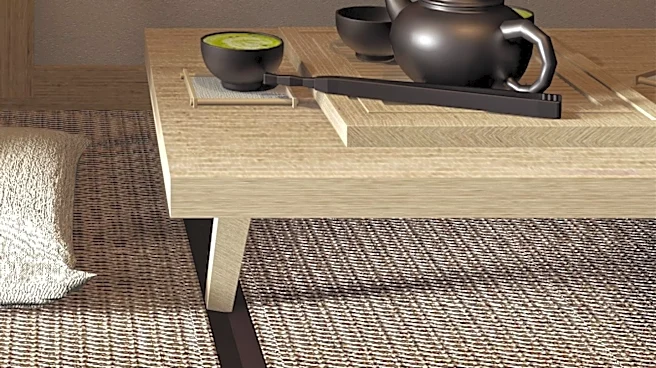
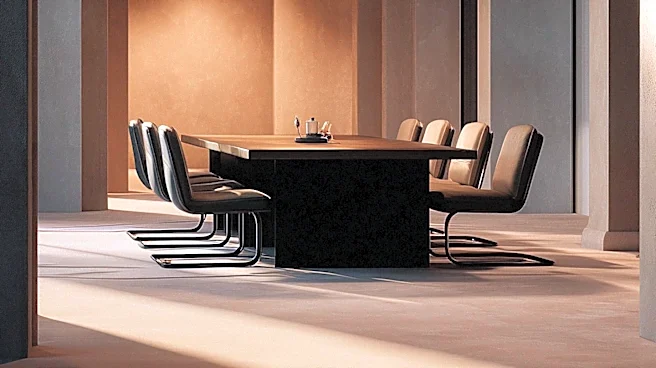
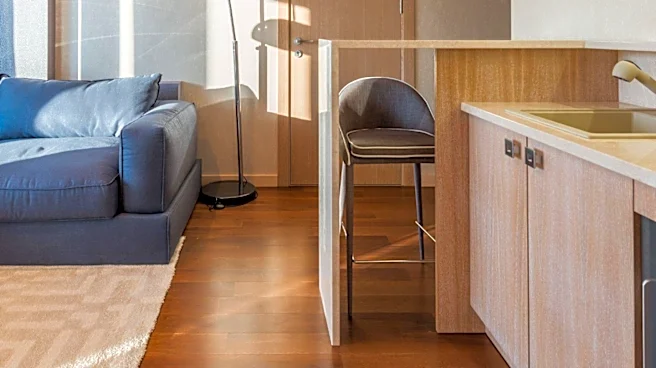
Armani/Casa's design philosophy centers on simple lines and perfect proportions, enhanced by the use of precious materials, refined finishes, and elegant textiles. This distinctive style integrates various inspirations and design codes to create a sophisticated
atmosphere. The brand's approach to home interiors is characterized by restraint, featuring tonal palettes, tactile leather, and wood, aiming for a tailored rather than decorated feel. This design ethos extends to projects like the Armani Hotel Dubai and Armani Residences within the Burj Khalifa, developed in partnership with Emaar in 2005. These residences reflect a menswear collection translated into rooms, emphasizing muted palettes and leather-wrapped walls. The brand's focus is on controlling the entire experience, from the scent in the lobby to the weight of a door handle, ensuring a consistent lifestyle expression.
Why It's Important?
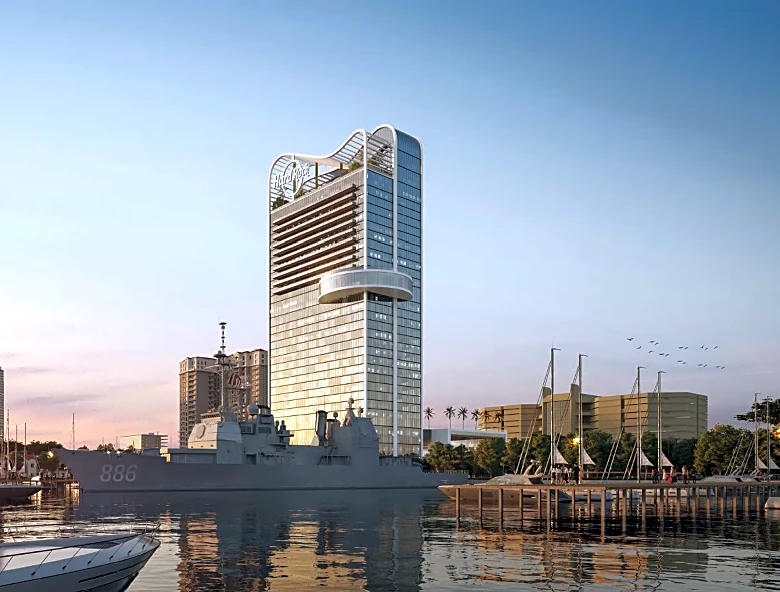
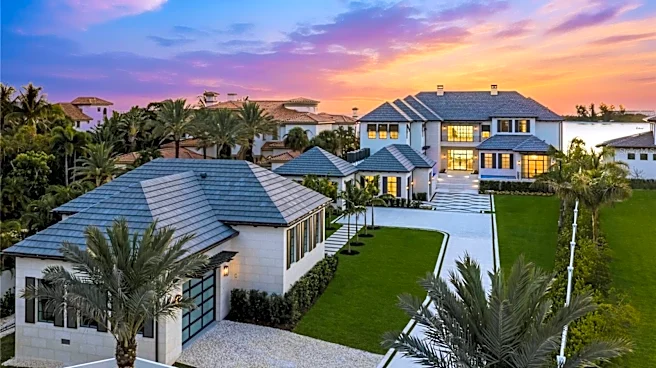
The emphasis on a consistent and controlled brand experience in luxury residences, as exemplified by Armani/Casa, highlights a significant trend in the high-end real estate market. This approach allows fashion houses to extend their brand identity beyond clothing into a complete lifestyle, offering consumers an immersive experience. For the U.S. market, this trend could influence luxury residential developments, potentially leading to more collaborations between fashion brands and real estate developers. Buyers in this segment often perceive added value in branded residences, with studies indicating an average price premium of 33 percent. This signifies a shift in consumer expectations, where a brand name on a residence signals a certain standard of finish and service, impacting marketing strategies and pricing in the luxury housing sector. The ability to control the entire living experience, from design to amenities, offers a unique selling proposition that differentiates these properties in a competitive market.
What's Next?
The trend of fashion houses venturing into branded residences is expected to continue, with non-hotel brands projected to represent almost 40% of the global supply by 2028, up from around 30% in 2025. This indicates a growing appetite for such collaborations, which could lead to more diverse offerings in the U.S. luxury real estate market. Future developments may see fashion brands designing everything from door handles to bed linen, creating a fully integrated lifestyle experience. This expansion will likely blur the lines between fashion, design, and architecture, fostering innovative partnerships. Developers and brands will need to adapt to evolving consumer preferences, focusing on differentiation and tailoring offerings to specific buyer demographics and locations. The success of these ventures will depend on maintaining the brand's core identity while delivering high-quality design and service that resonates with discerning buyers.
Beyond the Headlines
The rise of branded residences, particularly those by fashion houses like Armani/Casa, reflects a deeper cultural shift towards experiential luxury and the commodification of lifestyle. This trend moves beyond mere product consumption to the aspiration of living within a brand's aesthetic and values. It raises questions about authenticity and the long-term value of such branding, as tastes and licensing deals can evolve. The ethical implication lies in whether these branded environments truly offer a unique living experience or merely a superficial association with a luxury name. Furthermore, the focus on 'quiet luxury' in design, emphasizing quality materials and craftsmanship over overt branding, suggests a more sophisticated consumer who values subtle elegance and enduring design. This could lead to a re-evaluation of what constitutes true luxury in residential spaces, moving away from ostentatious displays towards a more refined and personal sense of style.