





What's Happening?
Simon, a real estate investment trust, has unveiled a new national brand campaign titled 'It's a Simon Thing.' This initiative aims to celebrate its 200+ Malls and Premium Outlets across the U.S. as long-standing gathering places for communities. The
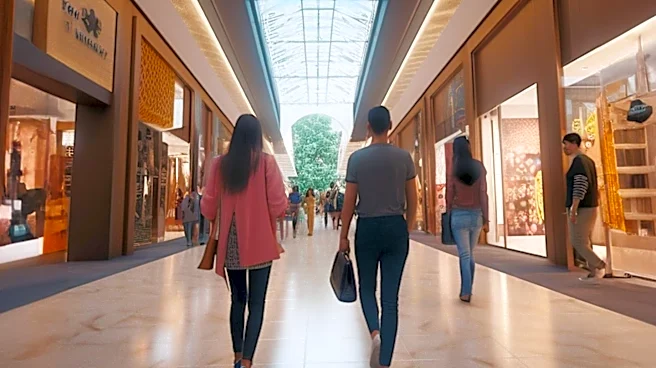
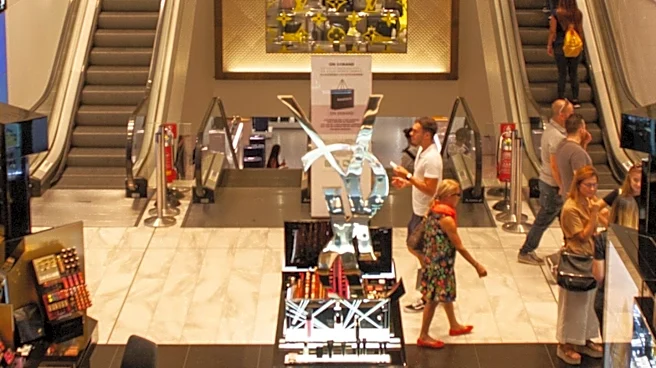
campaign, launching this fall across various media channels including television, cinema, digital, and social platforms like Instagram, TikTok, and YouTube, builds on the success of the 2024 'Meet Me @themall' campaign. The core message emphasizes the real-world discovery and connection shoppers have found at Simon properties for generations. Lee Sterling, chief marketing officer at Simon, stated that these centers are where people have grown up, met friends, celebrated milestones, and found unexpected items. The campaign features a manifesto spot set to 'Sweet Disposition' by Lost Frequencies & The Temper Trap, showcasing everyday experiences at Simon locations. The creative system is flexible, adapting to different seasons and experiences with expressions like 'It's a Malls Thing' or 'It's a Holiday Thing,' reinforcing the diverse reasons people visit Simon destinations.
Why It's Important?
This campaign is important for the U.S. retail and real estate sectors as it seeks to redefine the role of shopping malls in an evolving consumer landscape. By positioning its properties as 'America's third place'—a space beyond home and work for social interaction and community building—Simon is directly addressing the challenges posed by e-commerce and changing consumer habits. The emphasis on shared memories and experiences aims to attract a broad demographic, from Gen Z, who showed an affinity for malls as social hubs in previous campaigns, to older generations. This strategy could bolster foot traffic, increase dwell time, and ultimately drive sales for retailers within Simon's properties. For local economies, successful revitalization of these large retail centers can mean sustained employment, tax revenue, and continued community engagement. The campaign's use of first-party consumer intelligence from the Simon Media Network for its media plan also highlights a data-driven approach to marketing, which could set a precedent for other large-scale retail operations.
What's Next?
The 'It's a Simon Thing' campaign will roll out this fall across a comprehensive range of media, including television, cinema, digital, and social channels. This multi-platform launch indicates a sustained effort to embed the new brand message into public consciousness. Influencer, creator, and brand-led content will further extend the campaign's reach, aiming to generate organic engagement and amplify its message. As one of the initial major activations of the recently launched Simon Media Network, the campaign's ongoing media plan will be continuously informed by Simon's proprietary consumer intelligence. This data-driven approach suggests that the campaign will be dynamic, with content and targeting potentially evolving based on real-time performance and consumer feedback. The campaign's success will likely be measured by increased foot traffic, tenant sales, and positive brand perception, potentially influencing future marketing strategies for Simon and other retail real estate companies.
Beyond the Headlines
Beyond its immediate marketing objectives, the 'It's a Simon Thing' campaign touches upon deeper societal shifts regarding public spaces and community interaction in the U.S. In an increasingly digital world, the campaign attempts to re-establish the physical mall as a vital 'third place'—a concept popularized by sociologist Ray Oldenburg, referring to informal public gathering spots that foster community life. This effort reflects a broader cultural yearning for tangible connection and shared experiences that digital platforms often cannot fully replicate. The campaign's focus on intergenerational appeal also highlights a strategic move to bridge demographic divides, creating spaces where diverse age groups can interact. If successful, this could contribute to a revitalization of community bonds and local economies, offering a counter-narrative to the decline of traditional retail. It also raises questions about the future evolution of commercial spaces, suggesting a potential pivot from purely transactional environments to more experiential and community-centric hubs.