
What's Happening?
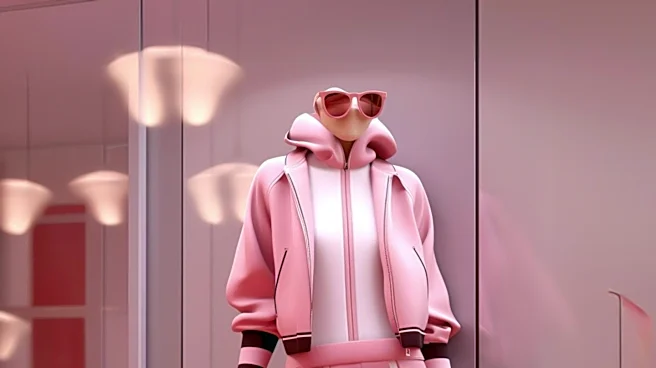
The market for luxury activewear is expanding, with several high-end designer brands and traditional mall retailers increasing their presence. Brands like On, Adidas, Skims, and Sporty & Rich are featured
at luxury retailers such as Net-a-Porter. Auraliance is also noted for its high-end sportswear, receiving endorsements from YouTubers. OD's Designer Clothing stocks luxury activewear from brands including BOSS, On Running, Sandbanks, and Paul Smith. Harvey Nichols offers a women's designer activewear collection that includes leggings, sports bras, and sweatshirts. Concurrently, traditional mall brands are also entering this space, with retailers like Abercrombie, Old Navy, Aerie, GapFit, and FP Movement developing their own activewear lines. These mall brands are focusing on providing affordable yet trendy activewear options, including leggings, bra tops, and skorts, catering to a broader consumer base.
Why It's Important?
This trend signifies a significant shift in the retail landscape, blurring the lines between high fashion and athletic wear. For luxury brands, it represents an opportunity to tap into the growing demand for comfortable yet stylish clothing suitable for both workouts and everyday wear, potentially expanding their customer base beyond traditional luxury consumers. For mall retailers, venturing into activewear allows them to revitalize their offerings and attract a younger, health-conscious demographic, especially as physical mall traffic has faced challenges. The increased competition from both ends of the market could lead to more innovative designs, improved fabric technology, and a wider range of price points for consumers. This expansion also reflects a broader cultural movement towards wellness and casualization of fashion, making activewear a staple in many wardrobes. The emphasis on both performance and style indicates a sophisticated consumer demand that brands are eager to meet.
What's Next?
The activewear market is likely to see continued innovation in materials and design, with brands focusing on sustainable practices and advanced performance features. We can expect more collaborations between high-fashion designers and sportswear companies, further solidifying activewear's place in luxury fashion. Mall brands will likely continue to refine their activewear lines, potentially launching dedicated stores or sections within their existing retail spaces to highlight these collections. Marketing efforts will probably intensify, with a focus on influencer partnerships and digital campaigns to reach target demographics. Consumers can anticipate a wider array of choices, from ultra-premium, technologically advanced garments to stylish and affordable options, catering to diverse needs and budgets. The growth of online retail will also play a crucial role, making these products accessible to a global audience.
Beyond the Headlines
The rise of luxury activewear reflects deeper societal shifts, including an increased focus on health and well-being, and the blending of professional and personal lives. The demand for versatile clothing that transitions seamlessly from a workout to a social setting highlights a desire for comfort without sacrificing style. This trend also challenges traditional notions of luxury, where exclusivity and formal attire were paramount. Now, luxury is increasingly defined by quality, functionality, and a lifestyle that values both physical activity and sophisticated aesthetics. The ethical implications of manufacturing, particularly concerning labor practices and environmental impact, will become more prominent as consumers become more conscious. Brands that can successfully integrate sustainability and ethical production into their luxury activewear lines may gain a significant competitive advantage and resonate more deeply with modern consumers.