






What's Happening?
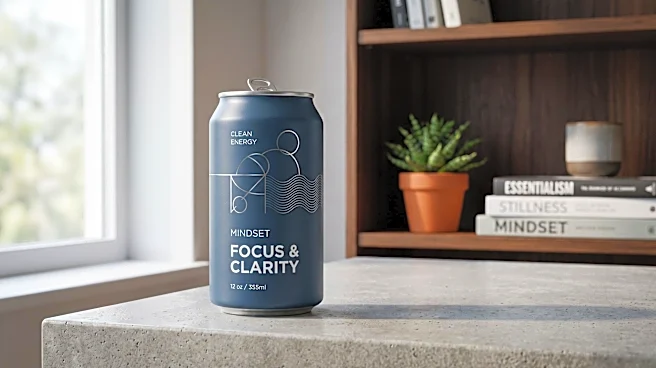
The market for energy drinks is evolving with a focus on formulations designed to provide sustained alertness without the common 'crash' associated with high sugar and synthetic stimulant blends. Key recommendations for effective energy drinks include
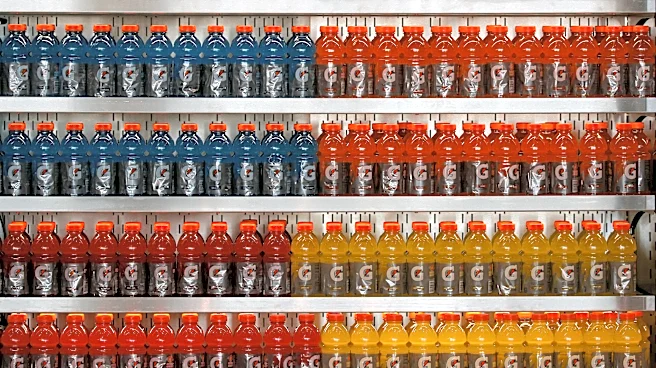
a caffeine dose of 150-200 mg, zero or minimal sugar (under 5g), the inclusion of L-theanine or other amino acids, and a B-vitamin complex (B6, B12, niacin). These ingredients are intended to convert caffeine into focused energy and aid the body in converting food into fuel. Popular brands like Celsius are noted for their zero-sugar formulas, while Red Bull offers various flavors. The National Institutes of Health Office of Dietary Supplements indicates that energy drinks typically contain 70-240 mg of caffeine, with additional stimulants like guarana and taurine potentially increasing the effective intake beyond what is stated on the label. The FDA advises a daily caffeine limit of 400 mg for healthy adults, warning against pure or highly concentrated caffeine products.
Why It's Important?
This shift in energy drink formulation is important for consumer health and product efficacy. The emphasis on zero sugar directly addresses the issue of sugar-induced crashes, which can lead to decreased productivity and potential health concerns related to excessive sugar intake. The inclusion of L-theanine and B-vitamins aims to provide a smoother, more sustained energy release, reducing jitters and improving focus, which is beneficial for individuals requiring prolonged concentration, such as students or night-shift workers. For the beverage industry, this trend highlights a move towards more health-conscious and functional products, potentially influencing research and development in new energy drink offerings. Consumers stand to gain from more effective and potentially safer energy solutions, while manufacturers who adapt to these preferences may see increased market share. Conversely, brands that continue to rely on high-sugar, high-stimulant blends without these balancing ingredients may face declining consumer interest and potential regulatory scrutiny.
What's Next?
The energy drink market is likely to see continued innovation in ingredient profiles, with a greater emphasis on natural caffeine sources, adaptogens, and nootropics that support cognitive function and sustained energy without adverse effects. Consumers can expect more products that clearly label their caffeine content, sugar levels, and the presence of amino acids or B-vitamins. There may also be increased educational efforts from health organizations and brands to inform consumers about optimal energy drink choices and safe consumption practices, particularly regarding daily caffeine limits and the avoidance of stacked stimulant blends. Regulatory bodies might also increase their oversight on labeling accuracy and the safety of novel ingredients in energy drinks, pushing manufacturers towards greater transparency and adherence to health guidelines. The development of 'loaded teas' and similar customizable options suggests a future where personalized energy solutions become more prevalent, allowing individuals to tailor their intake to specific needs and avoid unwanted side effects.
Beyond the Headlines
The evolving landscape of energy drinks reflects a broader societal trend towards functional beverages that offer specific health or performance benefits beyond basic hydration. This movement is driven by a growing consumer awareness of ingredients and their impact on well-being, moving away from purely stimulant-driven products. The focus on 'no crash' formulations and the inclusion of ingredients like L-theanine highlight a desire for sustained mental clarity and productivity, aligning with the demands of modern work and academic environments. This also touches upon the ethical considerations for manufacturers to prioritize consumer health over aggressive marketing of high-stimulant, high-sugar products. The long-term implications could include a redefinition of what constitutes an 'energy drink,' potentially blurring the lines between traditional beverages, dietary supplements, and health-focused functional drinks. This could also lead to a greater integration of nutritional science into beverage development, fostering a more informed and health-conscious consumer base.