








What's Happening?
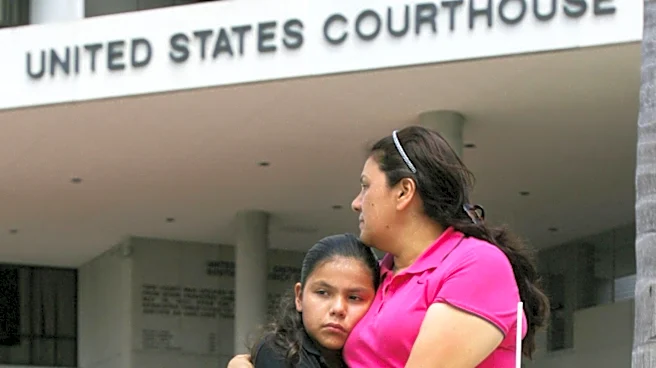
A federal judge has dismissed a lawsuit filed by Bryce Martinez against 11 major U.S. food and beverage companies, alleging that their ultra-processed food (UPF) products contributed to his diagnosis of type 2 diabetes and non-alcoholic fatty liver disease.
The lawsuit claimed that the companies, including Kraft Heinz and PepsiCo, produced dangerous food products without warning consumers of the associated health risks. The court ruled that the complaint failed to establish a direct causal link between the consumption of these products and Martinez's health conditions. The decision highlights the challenges of holding food companies accountable for health issues linked to UPFs.
Why It's Important?
The dismissal of the lawsuit underscores the complexities involved in attributing health conditions to specific food products, particularly in the context of UPFs. The case raises important questions about consumer protection, food safety, and the responsibilities of food manufacturers. It also highlights the need for clearer definitions and regulations regarding UPFs, as current legal standards do not specifically address these products. The outcome may influence future litigation and regulatory efforts aimed at addressing the health impacts of processed foods.
What's Next?
The ruling may prompt further discussions among policymakers, health experts, and industry stakeholders about the regulation of UPFs and their impact on public health. Efforts to establish a standardized definition for UPFs are expected to continue, potentially leading to new guidelines and regulations. The case may also encourage consumers to advocate for greater transparency and accountability from food manufacturers regarding the health implications of their products.