




What's Happening?
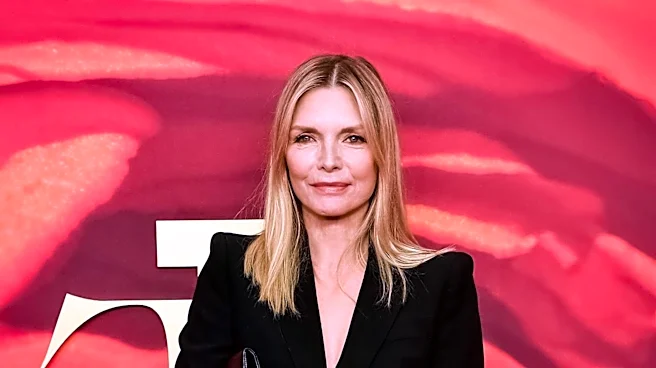
Michelle Pfeiffer, a prominent Hollywood actress, has indicated a shift in her career focus, stating she "never wants to star in another movie" and prefers ensemble pieces. This declaration was made during The Hollywood Reporter’s THR x Apple TV’s Leading
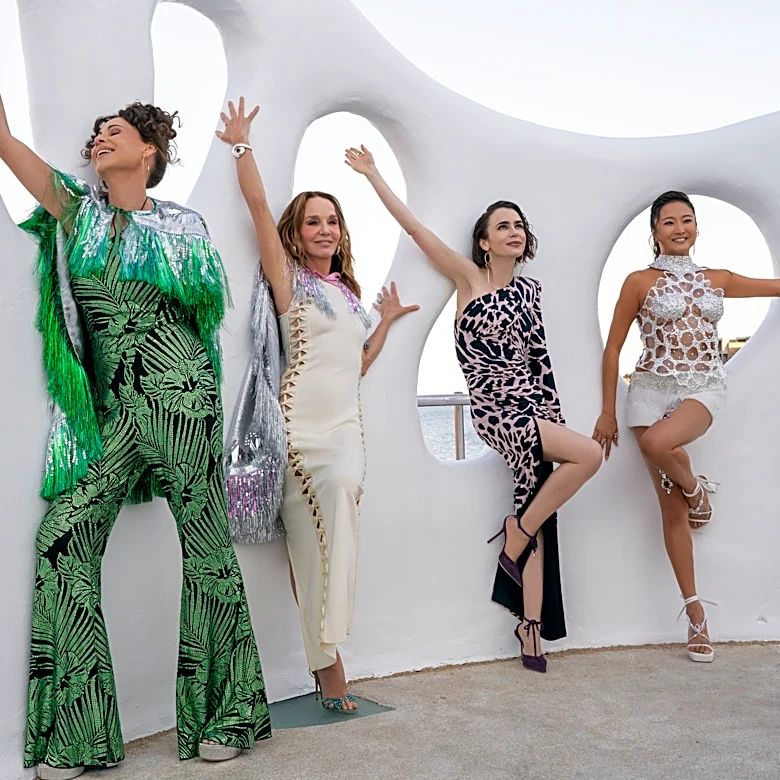
the Narrative: The Women of Apple TV event. Pfeiffer, 68, recently experienced success in two television projects, "Margo’s Got Money Troubles" and "The Madison," both of which she starred in and executive produced. Her statement follows a recent Emmy nomination for Outstanding Supporting Actress In A Comedy Series for her role in "Margo’s Got Money Troubles." She expressed that working in ensemble casts is "so much more fun" and that she has been impressed by the female performances in television, noting that they are "really owning TV."
Why It's Important?
Pfeiffer's decision to prioritize ensemble roles over leading film roles could signal a broader trend within the entertainment industry, where established film actors are increasingly finding compelling opportunities and creative satisfaction in television. This shift highlights the evolving landscape of content creation and consumption, with streaming platforms and high-quality television series offering complex characters and collaborative environments that appeal to seasoned performers. For audiences, this could mean seeing more acclaimed actors in television productions, potentially elevating the quality and profile of TV content. For the film industry, it might suggest a need to re-evaluate the types of roles and collaborative structures offered to attract and retain top talent, especially as the lines between film and television continue to blur.
What's Next?
Following her public statement, it is anticipated that Michelle Pfeiffer will actively seek out and accept roles in television series and films that feature ensemble casts. Her recent Emmy nomination for "Margo’s Got Money Troubles" and the success of "The Madison" are likely to reinforce her inclination towards television projects. This could lead to her appearing in more supporting or co-lead roles where the narrative is shared among multiple prominent characters. Other actors, observing Pfeiffer's satisfaction and continued critical acclaim in ensemble settings, might also consider similar career adjustments, further solidifying the trend of top-tier talent migrating to or prioritizing television and collaborative projects. The industry will likely watch to see how her career trajectory evolves with this stated preference.
Beyond the Headlines
Pfeiffer's preference for ensemble work touches upon deeper aspects of creative fulfillment and the changing dynamics of celebrity in the digital age. The traditional hierarchy of film stardom, often centered around a single lead, is being challenged by the collaborative nature of television and the rise of streaming platforms. This shift could reflect a desire among actors for more balanced creative partnerships and less individual pressure, fostering a more communal artistic process. It also highlights the increasing prestige of television, which now offers narratives and character development often rivaling or surpassing those found in feature films. This evolution could lead to a redefinition of what constitutes a 'star' role, emphasizing collective talent and storytelling over individual marquee appeal, and potentially influencing how projects are greenlit and cast in the future.