





What's Happening?
Connected kitchens are increasingly incorporating smart technology, with a significant focus on bolstering security protocols and adopting modular product designs to align with sustainability objectives. The European smart kitchen sector has seen a notable
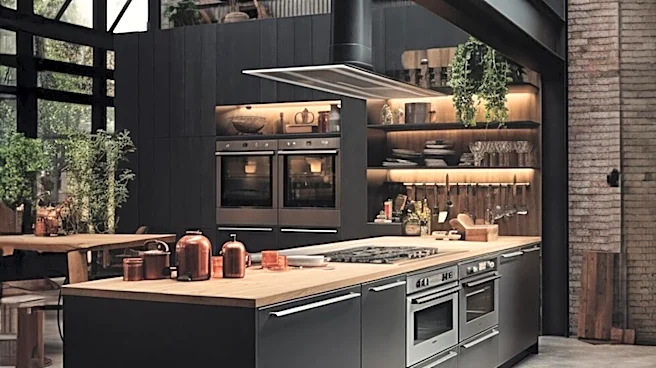
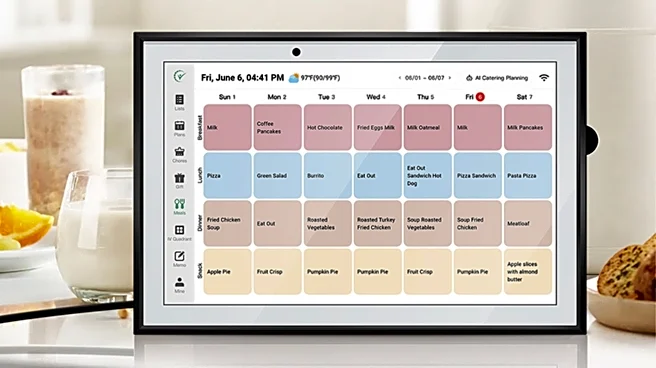
increase in investment, primarily channeled into software development and improvements in user interfaces. This trend is leading to a widespread adoption of connected appliances, including smart refrigerators, ovens, and smaller kitchen devices such as coffee machines and kettles. Smart kitchen technology is becoming more integrated, offering features like connected ovens, refrigerators with advanced food-management capabilities, and voice-controlled systems. The ongoing preference for open-concept kitchens aims to improve connectivity and sightlines while maintaining distinct functional zones. Manufacturers are also prioritizing the use of recyclable materials and designing appliances for longevity and modular repairability to meet European circular economy standards.
Why It's Important?
The integration of advanced smart kitchen technology signifies a major shift in home living, impacting consumer privacy, product longevity, and environmental sustainability. Enhanced security protocols and transparent data management are crucial for addressing consumer concerns about privacy in increasingly connected homes. The move towards modular product designs supports European sustainability goals by allowing for easier upgrades and repairs, which appeals to consumers seeking long-term value and reduces electronic waste. The surge in investment in software development and user interfaces indicates a market-driven push for more intuitive and seamless smart home experiences. This evolution also reflects changing consumer preferences for time-saving solutions and energy-efficient appliances, which can lead to reduced utility costs and a smaller environmental footprint. The focus on interoperability protocols aims to create a more cohesive smart home ecosystem, benefiting consumers by ensuring devices from different manufacturers can work together seamlessly.
What's Next?
Manufacturers are expected to continue prioritizing interoperability by adopting open-source standards to ensure their products integrate smoothly with various smart home ecosystems. This will enhance user experience and utility, making smart kitchens more accessible and functional. There will be a continued focus on developing features that provide real-time data on energy consumption, appealing to eco-conscious consumers and helping them manage household costs more effectively. Investment in predictive maintenance tools is also anticipated, with diagnostic features that alert users to potential mechanical issues before they occur, thereby increasing product lifespan and fostering brand loyalty through proactive service. Strengthening encryption and transparent data management practices will remain vital to address consumer anxiety regarding privacy in connected kitchens. Additionally, the adoption of modular product designs will likely expand, allowing hardware to be easily upgraded or repaired, aligning with sustainability goals and offering long-term value to consumers.
Beyond the Headlines
The evolution of connected kitchens extends beyond mere convenience, touching upon deeper societal and ethical considerations. The increasing reliance on smart appliances raises questions about data ownership and the extent to which personal habits are being collected and analyzed. While transparent data management is being emphasized, the long-term implications of this data collection on consumer behavior and privacy remain a significant ethical challenge. The push for modular and repairable designs, driven by sustainability goals, could fundamentally alter consumer culture, shifting away from a disposable mindset towards one that values longevity and resourcefulness. This could also foster a new wave of innovation in product design, focusing on adaptability and upgradeability rather than planned obsolescence. Furthermore, the seamless integration of technology into the kitchen, making it 'disappear visually,' reflects a broader cultural desire for technology to be both powerful and unobtrusive, blending into daily life rather than dominating it. This trend could influence architectural design and urban planning, as homes are increasingly designed to support a sophisticated digital infrastructure.