


What's Happening?
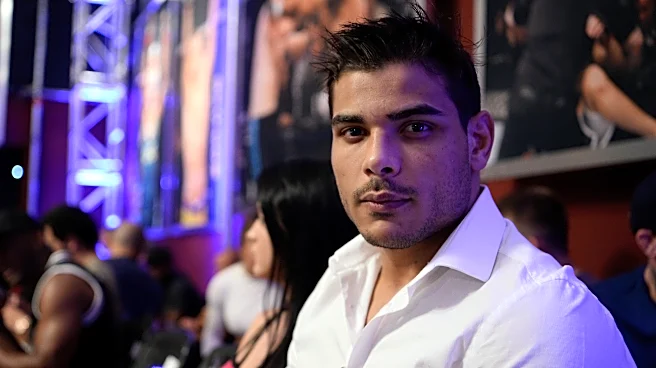
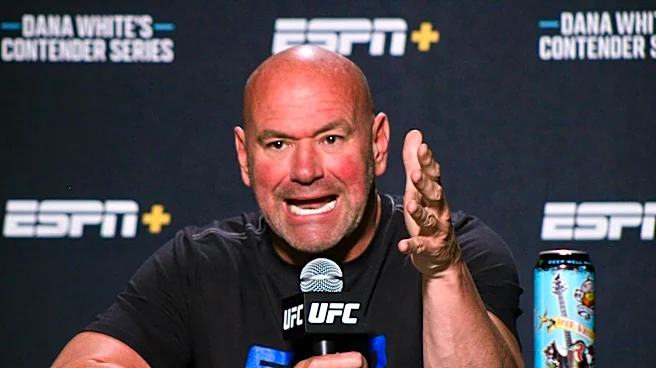
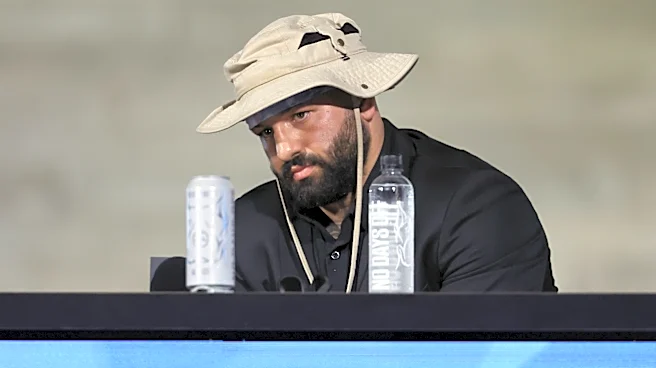
UFC President Dana White has publicly responded to middleweight fighter Paulo Costa's recent ultimatum regarding his contract and fight offers. Costa, via his X account, expressed frustration with the UFC, presenting three options: a three-round fight against
any light heavyweight opponent, a five-round light heavyweight fight with six weeks' notice and increased pay, or his release from the final fight of his contract to pursue free agency. White refuted Costa's claims of not being offered fights, stating that the Brazilian fighter has consistently turned down multiple offers. White emphasized that the UFC regularly offers fighters, including those sidelined by injuries, three fights per year, implying Costa is no exception. This public exchange highlights ongoing tensions between the fighter and the promotion regarding contractual obligations and fight scheduling.
Why It's Important?
This situation is important as it sheds light on the complex dynamics between fighters and major promotions like the UFC, particularly concerning contract negotiations and fighter autonomy. Paulo Costa's public demands underscore a recurring theme in combat sports where athletes seek more control over their careers and better compensation. White's firm response, asserting that Costa has declined offers, reflects the UFC's stance on managing its roster and maintaining its operational structure. The outcome of this dispute could influence future contract negotiations for other fighters, potentially setting precedents for how the UFC handles similar ultimatums. It also impacts the light heavyweight division, as Costa is a top-ranked contender, and his absence or departure could alter the competitive landscape and title picture.
What's Next?
The immediate next steps involve further discussions or negotiations between Paulo Costa and the UFC. White's comments suggest the UFC is unlikely to simply release Costa or immediately concede to his demands without further engagement. Costa will likely need to either accept one of the UFC's fight offers or continue negotiations for a more favorable contract. The UFC plans to announce more light heavyweight matchups soon, which could include an offer for Costa, or potentially move forward with other contenders if an agreement isn't reached. The situation could escalate if Costa continues to refuse fights, potentially leading to a prolonged contractual standoff or, eventually, his release. The resolution will be closely watched by other fighters and their agents, as it could indicate the UFC's flexibility or rigidity in such disputes.
Beyond the Headlines
Beyond the immediate contractual dispute, this incident touches upon broader issues within professional combat sports regarding fighter welfare, economic leverage, and the balance of power between athletes and promotions. The 'ultimatum' from Costa, whether a genuine demand or a negotiation tactic, reflects a growing trend of fighters using social media to voice grievances and pressure organizations. This public discourse can influence fan perception and potentially lead to greater scrutiny of fighter contracts and compensation models. The UFC's response also highlights the challenges of managing a roster of highly competitive and often outspoken athletes. The long-term implications could include a re-evaluation of standard fighter contracts, increased calls for fighter unions or associations, and a shift in how fighter demands are addressed by major sports organizations.