


What's Happening?
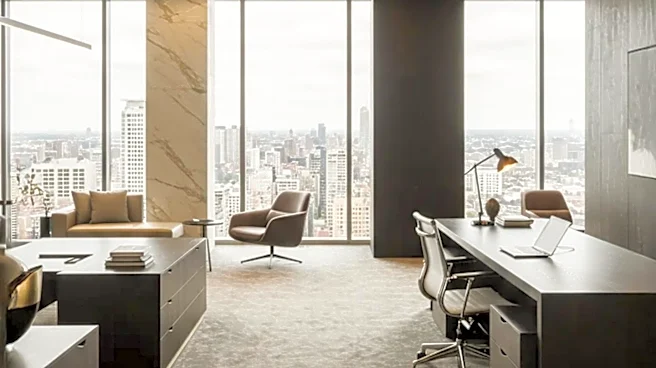
Workplace design is undergoing a significant transformation, moving beyond traditional considerations like air quality to incorporate sensory and restorative spaces. Suzette Subance Ferrier, Managing Executive and Studio Creative Director at TPG Architecture,
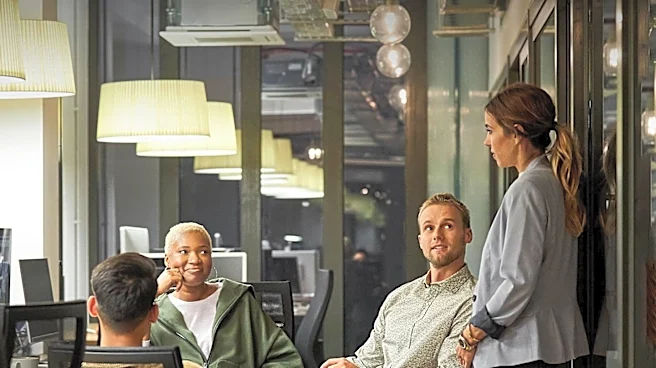
highlights the creation of sensory rooms where lighting and acoustics can be adjusted, and natural textures are integrated. This approach aims to reduce anxiety, improve focus, and enhance employee well-being. Additionally, circadian rhythm lighting is being implemented to mimic natural sunlight, with cooler, brighter tones during high-energy periods and warmer tones as the day progresses. This helps regulate energy levels and prevent overstimulation. The focus extends to fostering a vibrant workplace culture through shared experiences, with companies introducing rituals like serving warm cookies or offering non-alcoholic beverages to encourage interaction and collaboration. This shift is particularly crucial for younger employees who may lack experience in physical office environments, as it helps ignite 'casual collisions' that foster creativity and mentorship.
Why It's Important?
This evolution in workplace design holds significant importance for U.S. businesses and their employees. By prioritizing sensory and restorative spaces, companies can create environments that actively support mental health and productivity, potentially leading to reduced stress, improved employee retention, and enhanced innovation. The integration of features like adjustable lighting and acoustics caters to diverse sensory and cognitive needs, making workplaces more inclusive and accommodating. Furthermore, fostering a strong workplace culture through intentional design and programming can bridge the gap for younger generations entering the workforce, many of whom have primarily experienced remote learning or internships. This can accelerate their integration, learning by osmosis, and overall professional development, ultimately benefiting the company's long-term growth and competitive edge in the talent market. The emphasis on physical interaction is seen as crucial for fostering creativity and mentorship, which are vital for innovation.
What's Next?
The trend towards human-centric and flexible workplace design is expected to continue, with further integration of technology and adaptable architectural solutions. AI tools are already being used to analyze space utilization, guiding future planning and accelerating visualization processes for designers. This data-driven approach will likely lead to more optimized and responsive office layouts. Architectural furniture, such as Haworth’s Pergola, will play a larger role in creating reconfigurable spaces that can adapt to evolving company needs without costly permanent construction. As Gen Z and Gen Alpha increasingly enter the workforce, their demand for collaborative, inclusive, and flexible spaces will further drive these design innovations. This will necessitate a continued focus on creating environments that support a variety of needs and work styles, making workplaces more appealing and effective for a diverse employee base.
Beyond the Headlines
The deeper implications of this shift extend to a redefinition of the very purpose and function of the physical office. It moves beyond a mere place of work to become a strategic tool for fostering well-being, culture, and innovation. This approach acknowledges the psychological and physiological impact of the built environment on individuals, highlighting an ethical dimension in corporate responsibility towards employee health. The emphasis on 'casual collisions' and shared experiences underscores the enduring human need for in-person connection, challenging the notion that virtual interactions can fully replicate the benefits of physical proximity for creativity and mentorship. This could lead to a long-term cultural shift where workplaces are not just efficient but also nurturing, contributing to a more holistic view of employee welfare and organizational success.