



What's Happening?
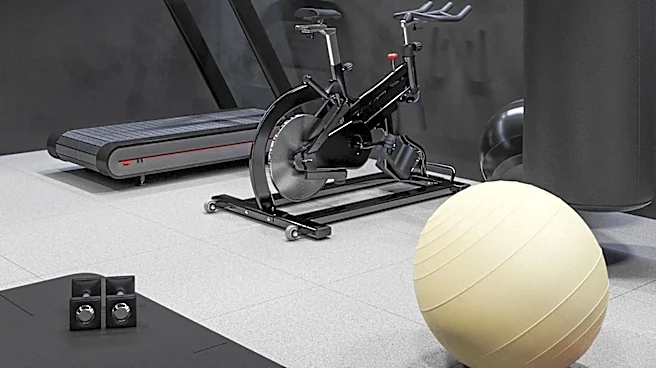
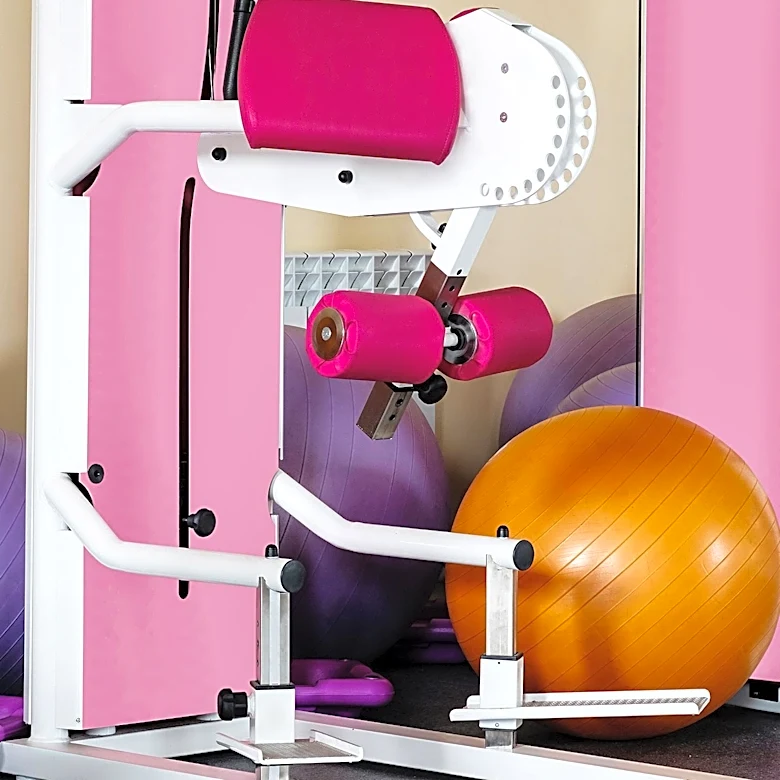
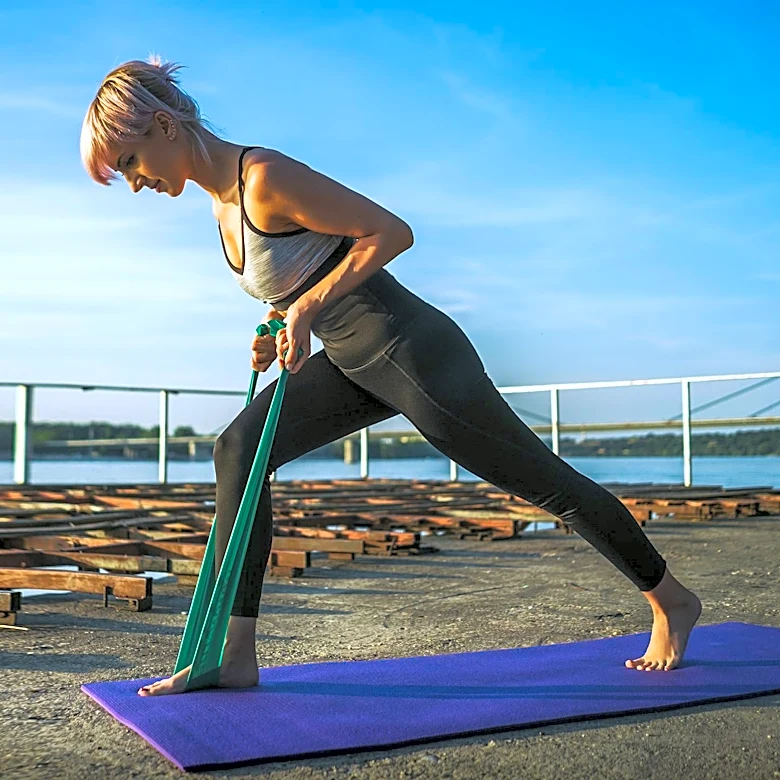
Home fitness provides individuals with the flexibility, convenience, and ability to customize workouts to align with personal goals and lifestyles. This approach allows for movement, mobilization, and cardio exercises without the need for commuting to a gym.
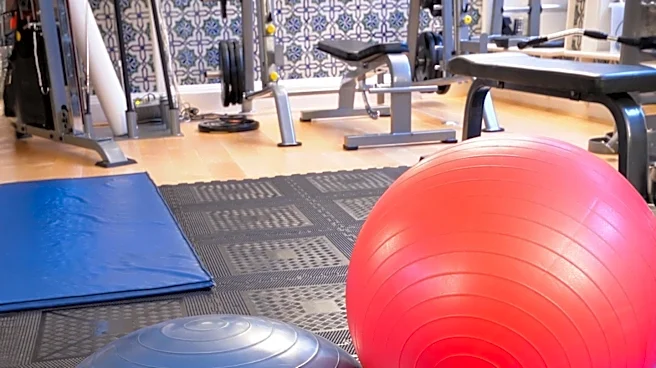
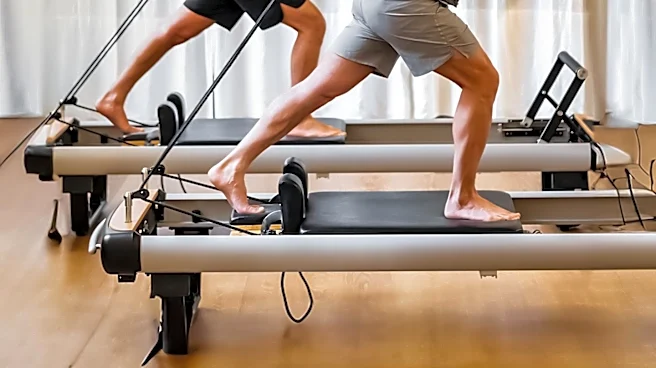
While home workouts offer privacy and cost-effectiveness, they can present limitations such as a lack of community engagement, reduced variety, and challenges in workout progression. Gyms, conversely, offer advanced equipment for strength training and progressive overload, along with a structured environment and professional guidance. A hybrid approach, combining both gym training and home workouts, is suggested to maximize benefits by leveraging the structured progression of a gym and the adaptability of at-home exercises. This allows for dedicated gym time for lifting sessions and home workouts for quick recovery drills, optimizing time and adapting to individual schedules and energy levels.
Why It's Important?
The increasing popularity of home fitness, especially when combined with gym training, signifies a shift in how individuals approach their health and wellness. This hybrid model addresses common barriers to consistent exercise, such as time constraints, travel, and high membership costs, making fitness more accessible to a broader population. For the fitness industry, this trend highlights the need for diversified offerings that cater to both in-gym and at-home exercisers. Businesses in the fitness equipment sector stand to gain from the demand for versatile home gym setups, while traditional gyms may need to adapt by offering more flexible membership options or integrating virtual training components. This approach also empowers individuals to take greater control over their fitness journeys, fostering a more personalized and sustainable engagement with physical activity, which can lead to improved public health outcomes and reduced healthcare burdens in the long run.
What's Next?
The trend towards hybrid fitness is likely to continue, prompting further innovation in both home workout equipment and gym services. Expect to see more integrated fitness platforms that seamlessly blend in-person and virtual training experiences. Equipment manufacturers will likely focus on developing more compact, versatile, and technologically advanced home gym solutions that can cater to various fitness levels and space constraints. Gyms may introduce more flexible membership models, on-demand virtual classes, and personalized coaching accessible from home to retain and attract members. Additionally, the emphasis on personalized and customizable workouts will drive demand for AI-powered fitness apps and wearable technology that can track progress, suggest routines, and provide real-time feedback, further blurring the lines between traditional gym settings and home-based exercise.
Beyond the Headlines
The rise of hybrid fitness extends beyond mere convenience, touching upon deeper societal and psychological aspects of well-being. It reflects a growing desire for autonomy and control over personal health, allowing individuals to integrate fitness more organically into their daily lives rather than adhering to rigid external schedules. This shift could lead to a more inclusive fitness culture, accommodating diverse body types, fitness levels, and personal preferences, potentially reducing intimidation often associated with traditional gym environments. Furthermore, the emphasis on customizable workouts and personal guidance, even from home, highlights a move towards preventative health and self-care, fostering a more proactive approach to physical and mental well-being. This evolution could also influence urban planning, with a greater demand for residential spaces that can accommodate home workout areas, and a re-evaluation of community fitness resources.