




What's Happening?
Retailers are increasingly adopting scalable security solutions, including on-demand guarding, mobile patrols, and remote monitoring, to address fluctuating security risks and demands. These measures are crucial during peak shopping seasons, special events,
or in response to heightened security concerns like increased theft or vandalism. The strategy involves supplementing existing security programs with additional officers and technology to manage larger crowds, deter theft, and de-escalate confrontations. Retailers are leveraging incident data and customer flow patterns to determine optimal times and locations for increased security presence, often focusing on store opening hours and peak evening times. This adaptive approach ensures that security resources are deployed efficiently without disrupting store operations or sacrificing reliability. The goal is to create a safer environment for both customers and staff while protecting merchandise and assets.
Why It's Important?
The implementation of scalable security services is vital for U.S. retailers facing evolving threats and dynamic operational needs. This approach allows businesses to adapt quickly to changing conditions, such as seasonal spikes in foot traffic or localized events that increase security risks. By integrating temporary security measures with existing programs, retailers can mitigate financial losses from theft, vandalism, and other incidents, which directly impacts their profitability and operational stability. Furthermore, a visible and effective security presence contributes to a safer shopping environment, enhancing customer confidence and potentially increasing sales. The ability to scale security up or down as needed also offers cost efficiencies, preventing the need to maintain extensive resources year-round when they may not be consistently required. This strategic shift helps retailers maintain business continuity and protect their brand reputation in a challenging retail landscape.
What's Next?
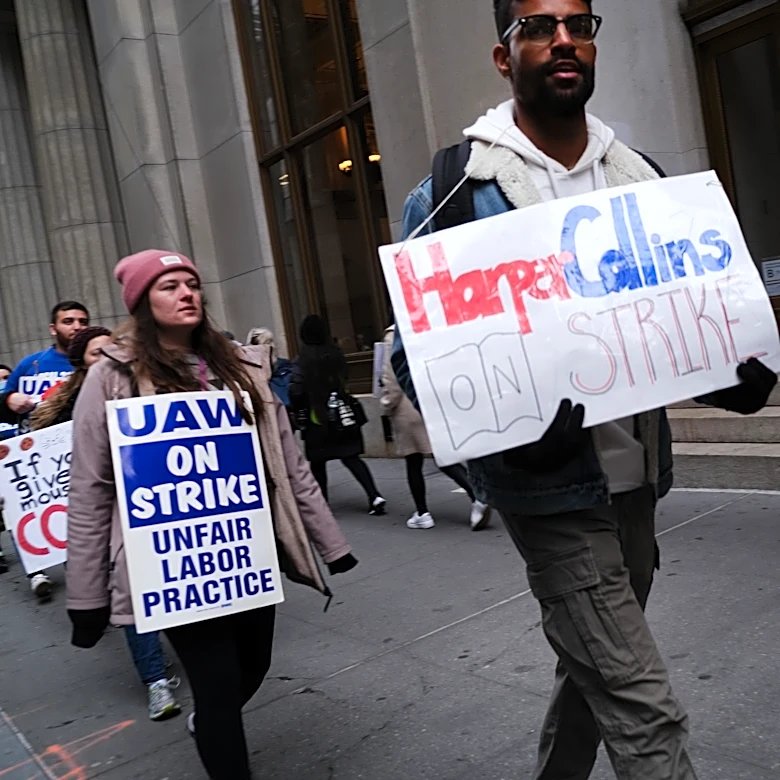
Retailers are expected to continue refining their security strategies by integrating advanced technology and data analytics to predict and respond to threats more effectively. This includes leveraging risk intelligence to anticipate potential disruptions, such as demonstrations near retail locations, and adjusting security measures proactively. The focus will be on building flexible security programs that can seamlessly incorporate additional resources while maintaining consistent standards and procedures. Partnerships with integrated security providers will become more critical, as these partners can offer institutional knowledge, coordinate staffing, and ensure uniform expectations across multiple locations. Future developments may also involve greater adoption of AI-powered surveillance and predictive analytics to identify emerging theft patterns and criminal activities, allowing for more targeted and efficient security deployments.
Beyond the Headlines
The shift towards scalable and technology-driven security in retail reflects broader trends in risk management and operational efficiency across various industries. Beyond immediate loss prevention, these security enhancements contribute to a more controlled and predictable business environment, which can influence insurance premiums and investor confidence. Ethically, the deployment of advanced surveillance and monitoring technologies raises questions about customer privacy and data usage, necessitating clear policies and transparent communication from retailers. Culturally, a heightened security presence could alter the shopping experience, potentially creating a perception of increased risk or, conversely, a greater sense of safety. The long-term impact could see a redefinition of the retail space, where technology plays a more integral role in managing customer flow, preventing crime, and shaping the overall consumer journey.